Two oil tankers linked to a Russian "shadow fleet" were struck off Turkey’s Black Sea coast; the Kairos caught fire about 28 nm (52 km) off Kocaeli and all 25 crew were evacuated, while the Virat was struck about 35 nm (64 km) offshore and its 20 crew were reported safe. Turkish officials say explosions appear to result from external interference — investigators are considering mines, missiles, other vessels or drones — and the Virat’s captain reported a distress call describing a drone attack. Both vessels have been tied to sanctions lists and have histories of disabling tracking systems, according to OpenSanctions and Ukrainian intelligence. Investigations and international coordination are under way to determine responsibility and protect navigational safety.
Two Sanctioned Tankers Struck in Turkish Black Sea — Mines, Missiles or Drones Suspected
Two oil tankers linked to what authorities describe as a Russian "shadow fleet" were struck off Turkey’s Black Sea coast late Friday, Turkish officials said. The incidents — which Turkish authorities say may have been caused by mines, missiles, other vessels or drones — prompted rescue operations and an international inquiry into navigational safety in the area.
Where and what happened
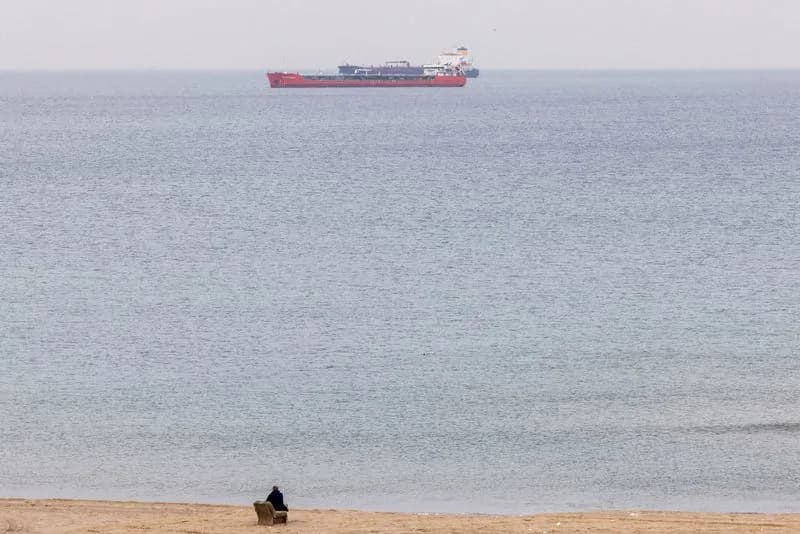
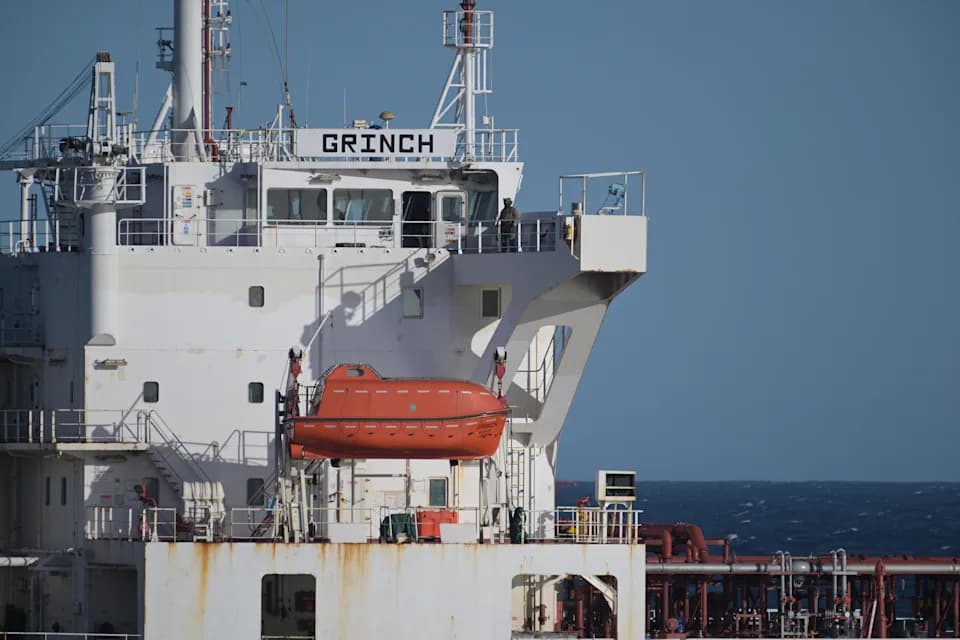
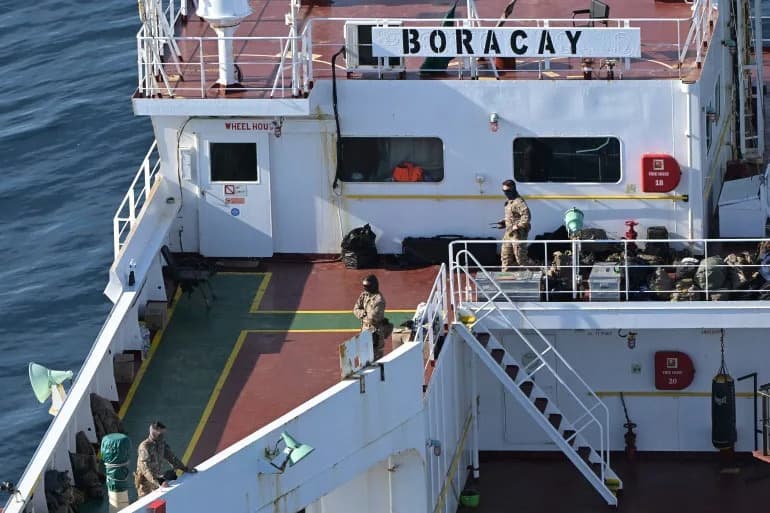
The Gambian-flagged tanker Kairos caught fire roughly 28 nautical miles (52 km) off Turkey’s Kocaeli province while sailing empty toward Russia’s Novorossiysk port. Turkish authorities evacuated all 25 crew members from the Kairos. Within about an hour, a second tanker, the Virat, was reported struck about 35 nautical miles (64 km) off the Turkish coast; all 20 crewmembers on the Virat were reported safe. Turkish officials initially received reports that the Kairos may have hit a mine and later were informed of an explosion aboard the Virat.
Official statements and immediate response
Turkish Transport and Infrastructure Minister Abdulkadir Uraloglu said rescue crews observed explosions and that "external interference" was a likely cause. He named several possibilities — a mine, a missile, another marine vessel or a drone — but said investigators had not reached a definitive conclusion. Uraloglu added that the captain of the Virat radioed a distress call describing what he believed was a drone attack. Both incidents occurred inside Turkey’s exclusive economic zone, and Turkish authorities said they were coordinating with international counterparts to prevent further incidents and preserve navigational safety.
Damage and safety
Officials reported that the Kairos had active fires in enclosed areas after the strike; the Virat was not reported ablaze at the time officials gave updates, although earlier reports indicated heavy smoke in the Virat’s engine room. Rescue teams were dispatched promptly to both vessels and all crew on both ships were reported safe.
Sanctions, tracking behavior and context
OpenSanctions, a database monitoring sanctions evasion, lists both vessels as part of a so-called "shadow fleet" used to skirt restrictions imposed on Russia following its 2022 invasion of Ukraine. The Virat was sanctioned by the United States in January and subsequently by the European Union, Switzerland, the United Kingdom and Canada. The Kairos was added to EU sanctions lists in July and was later listed by the U.K. and Switzerland. Both ships have histories of operating under third-country flags and have been documented switching off their automatic identification systems (AIS), according to Ukrainian military intelligence (GUR) and sanctions-monitoring records.
Ukraine has previously conducted naval strikes on Russian-linked shipping, notably using explosives-packed marine drones, primarily in the northern Black Sea. However, Turkish officials have not attributed responsibility for these strikes to any party and investigations are ongoing.
Additional details
Vessel-tracking records show the Virat had been anchored north of the Bosphorus earlier in November while the Kairos' last known reported position was south of the Dardanelles later in the month. Both vessels have visited ports in Russia, China, Turkey and India at various times.
Outlook
Turkish authorities emphasized that inquiries are continuing to determine the exact cause of the explosions and to strengthen measures for maritime safety in the region. Given the vessels' sanction histories and the strategic significance of the Black Sea, the strikes are likely to prompt diplomatic and security discussions among regional and international stakeholders.
Help us improve.