Verónica Rosas stopped decorating for Christmas after her 16-year-old son disappeared in 2015. She recently joined other relatives in Ecatepec to make photo ornaments that were hung on a cathedral “tree of hope” to keep attention on the crisis of disappearances. Official figures record more than 133,000 missing people in Mexico since 1952, driven by trafficking, kidnappings and cartel violence. Faith leaders and an ecumenical group now offer spiritual and practical support while families press for answers.
“Tree of Hope” in Ecatepec Honors Faces of Mexico’s Disappeared

Verónica Rosas stopped putting up a Christmas tree a decade ago after her 16-year-old son, Diego, vanished in 2015. The holidays, once a season they enjoyed together—choosing real trees and hanging Diego’s Mickey and Minnie Mouse ornaments—became a reminder of absence and grief that she could not bear.
A cathedral workshop becomes a memorial
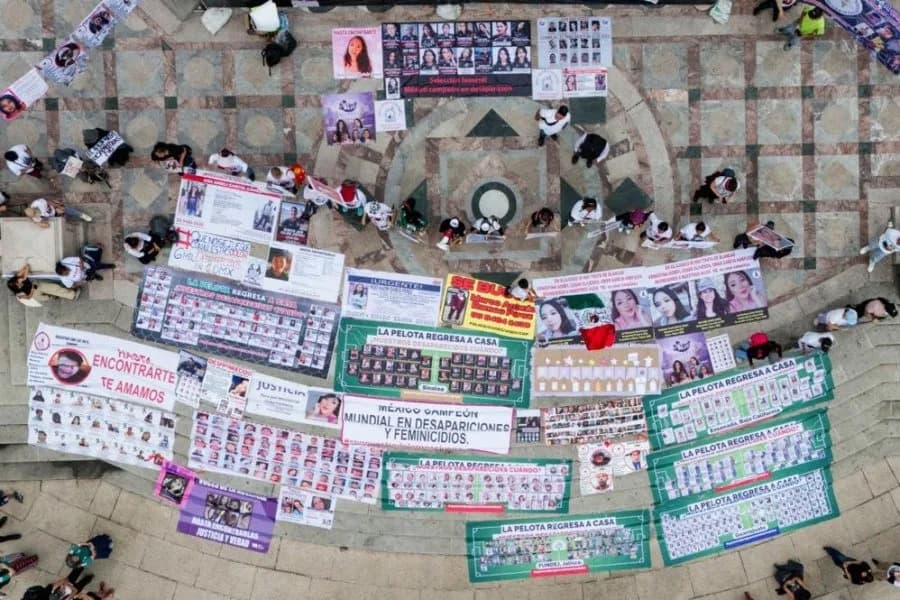
Recently, Rosas joined a group of grieving relatives in Ecatepec, on the outskirts of Mexico City, for a workshop to make Christmas ornaments in memory of missing family members. A dozen families arrived carrying photographs, which they glued onto old CDs and cardboard circles, sprinkled with glitter, and had blessed at a Mass. The finished pieces were placed on a “tree of hope” inside the cathedral, where they will remain on display through Feb. 2.
Putting a national crisis in plain sight
“We want to draw attention to the crisis that we’re living,” Rosas said. She founded an organization to support others searching for missing relatives and said the tree is meant to keep the disappearances visible to the public and to authorities.
Official figures show that more than 133,000 people have disappeared in Mexico since 1952. Causes cited include human trafficking, kidnapping, retaliatory violence and forced recruitment by cartel groups. The phenomenon has affected communities across Latin America for decades, and in many places families are driven to search for answers when authorities fail to provide them.
Personal tolls and public pleas
Marisol Rizo has been searching for her mother since 2012. “This has been a Way of the Cross,” she said, invoking a biblical image of ongoing suffering. Rizo described how the search consumed her time and energy while her own children were young: “My mom always told me to take care of them, but as I searched for her, I forgot about my children.”
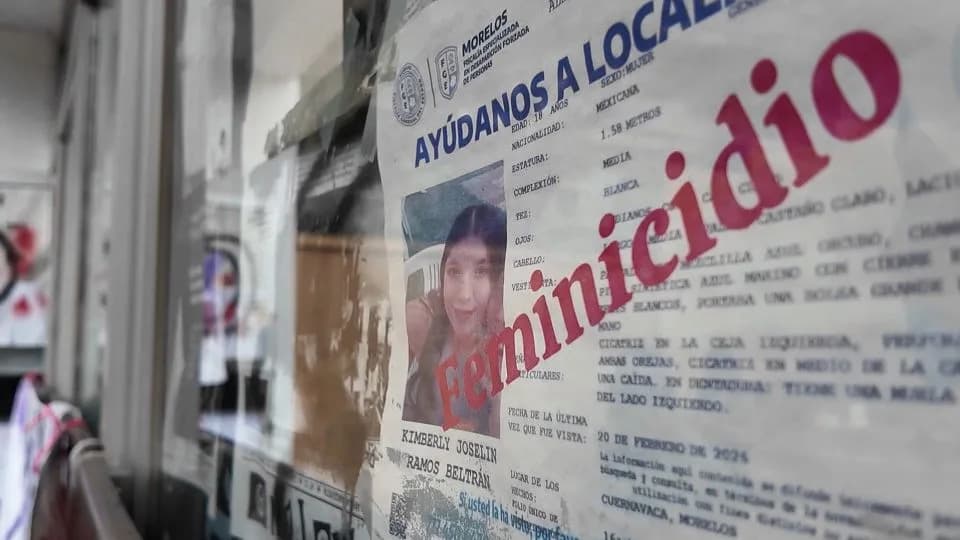
Rizo suspects her father of involvement in her mother’s disappearance; he denies the accusation. Her story unfolds in a country where advocates say at least 10 women or girls are killed because of their gender every day.
Distributing flyers bearing photos, names, identifying features and disappearance dates remains a common tactic for families trying to locate missing loved ones. Rizo remembers posting flyers near shopping centers on Dec. 24 and feeling the contrast between others’ celebrations and her own sorrow: “On Dec. 24, I used to cry a lot.”
Faith communities step in — sometimes late
Some relatives say they were initially rebuffed by clergy when seeking spiritual support. Jaqueline Palmeros recalled being told years ago, “We don’t celebrate Mass for disappeared people,” when she requested a Mass for her child; she later found her child’s remains in Mexico City. At a recent meeting, Bishop Javier Acero acknowledged lapses by church leaders and asked for forgiveness for times when clergy failed to provide care or prayer as families requested.
An ecumenical group known as “the church circle” now offers ongoing spiritual and practical support. The group brings together nuns, an Anglican priest and pastors from multiple denominations. They celebrate public Masses before protests, join grassroots searches—donning gloves and rubber boots to excavate possible burial sites—and keep missing-person flyers visible year-round.
Rev. Luis Alberto Sánchez, who lost a brother to kidnapping and violence, helped welcome relatives to the Ecatepec cathedral, shared breakfast with them, and assisted in finishing the ornaments. “We can’t remain silent,” Sánchez said. “The voice of the disappeared, of those who have perished, needs to resound and say ‘no more.’”
Rosas values the friendships and blessings the church circle provides. She has spent many holidays searching for Diego, and she hopes the model of constant presence and shared ritual can be replicated across communities so that more families receive spiritual accompaniment and public visibility in their quest for truth and justice.
Help us improve.