Thousands in Tbilisi marked one year of daily protests that began after the government paused EU accession talks on Nov. 28, 2024. The ruling Georgian Dream party has tightened assembly rules and enacted laws affecting NGOs, media and rights groups, sharply increasing fines and detention periods. Hundreds have been detained, prominent protesters and opposition figures face legal pressure, and the EU has cited democratic backsliding.
Tbilisi Marks One Year of Daily Protests After EU Accession Talks Halt as Crackdown Intensifies

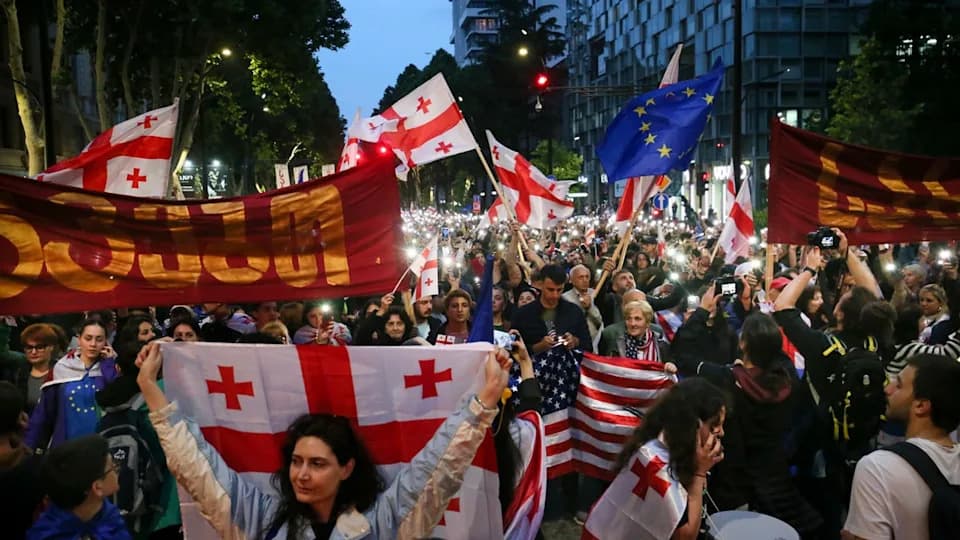
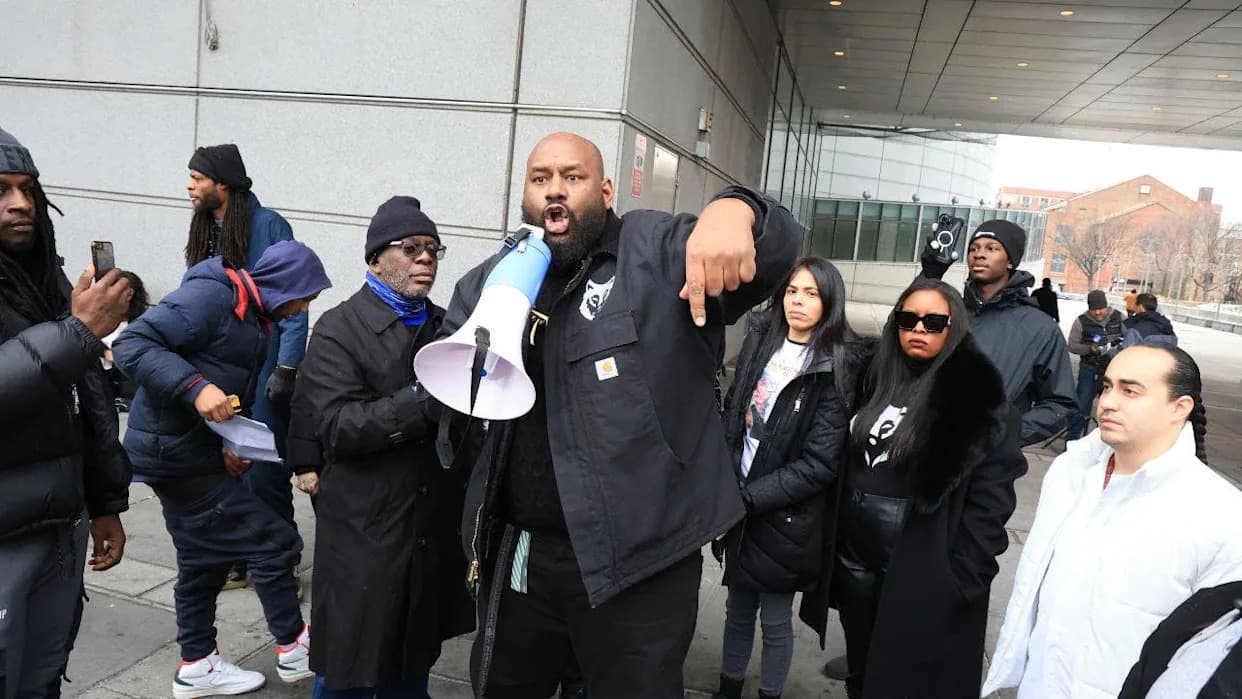
Thousands of people returned to Rustaveli Avenue in Tbilisi to mark 365 days of daily protests sparked by the government’s decision to pause talks on European Union accession on Nov. 28, 2024. What began as mass demonstrations outside parliament has continued every day since, though attendance has declined from its initial peak.
Background
The protests began after Prime Minister Irakli Kobakhidze announced that Georgia would halt formal negotiations on joining the EU. In the weeks that followed, demonstrators filled the streets across the capital and in other cities, demanding a reversal of the decision and greater democratic safeguards.
New restrictions and penalties
The ruling Georgian Dream party has tightened rules governing public assembly and passed a series of laws affecting rights groups, non-governmental organizations and independent media. Critics say some measures echo legislation used elsewhere to limit dissent.
Under the updated rules, actions such as wearing face masks during demonstrations, blocking roads or erecting temporary structures can lead to administrative detention of up to 15 days for participants and up to 20 days for organizers. Fines for first-time offenders were increased from 500 Georgian lari (about $185) to 5,000 lari (about $1,850), and repeat offenses can carry criminal charges. Hundreds have been detained under the new measures.
Voices from the protests
“For my children and grandchildren, I don’t want a country where they cannot speak openly, where they will be treated unjustly and won’t find justice,”
said Rusiko Kobakhidze, a researcher and mother of nine who has protested daily outside Parliament and was detained twice in November for blocking a street, receiving sentences of one and four days.
Pressure on the opposition
Authorities have also stepped up pressure on opposition parties. The ruling party has petitioned the Constitutional Court to ban three major opposition formations: the United National Movement, Akhali/Coalition for Change and Lelo. Several opposition leaders are jailed, living abroad, or facing criminal charges that critics call politically motivated.
Tina Bokuchava, chairperson of the United National Movement, accused the ruling party founded by billionaire Bidzina Ivanishvili of aligning with objectives that benefit Russia’s influence in the region.
Government response and international concerns
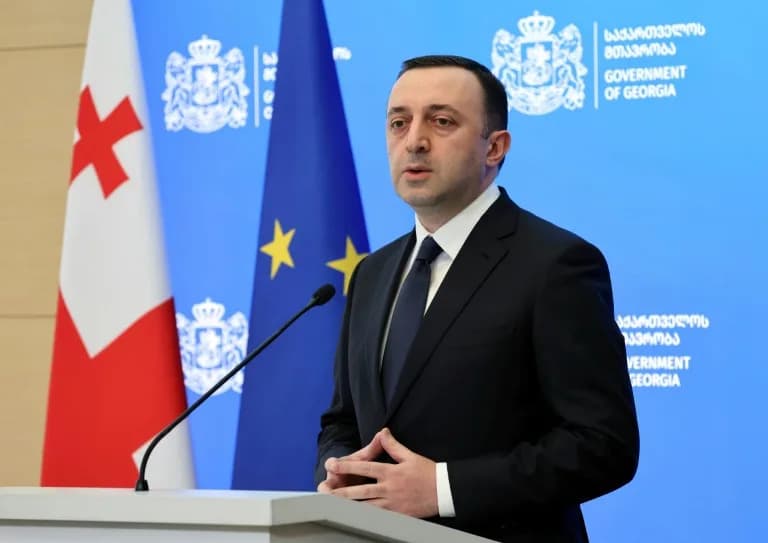
Government officials insist Georgia’s stated foreign policy remains focused on EU and NATO integration. "Our foreign policy is EU integration and NATO integration. Nothing has paused and nothing has changed in that regard," said ruling party lawmaker Mariam Lashkhi, who added that international pressure should not dictate domestic economic and social policy.
The European Commission’s enlargement report, issued on Nov. 4, noted democratic backsliding and described some actions by Georgian authorities as "repressive" and incompatible with core EU democratic values.
Help us improve.