Quebec’s government has tabled Bill 9 to prohibit prayer in public institutions and to ban communal prayer on streets and in parks, with fines of C$1,125 for violations. The proposal extends limits from Bill 21 to workers and students in daycares, colleges, universities and private schools and would restrict full-face coverings and some kosher and halal meal accommodations. Critics — including students, civil-society groups and religious leaders — say the law disproportionately targets minorities, while the government frames it as enforcing state neutrality. The bill invokes the notwithstanding clause, and a Supreme Court challenge is anticipated.
Quebec's Bill 9 Would Ban Public Prayer and Expand Secular Rules — Critics Say It Targets Muslims

Quebec's governing Coalition Avenir Québec (CAQ) has introduced Bill 9, a far-reaching secularism measure that would prohibit public prayer in government institutions and restrict communal prayer on streets and in parks. Groups found in violation could face fines of C$1,125, though short public events with prior approval would be exempt.
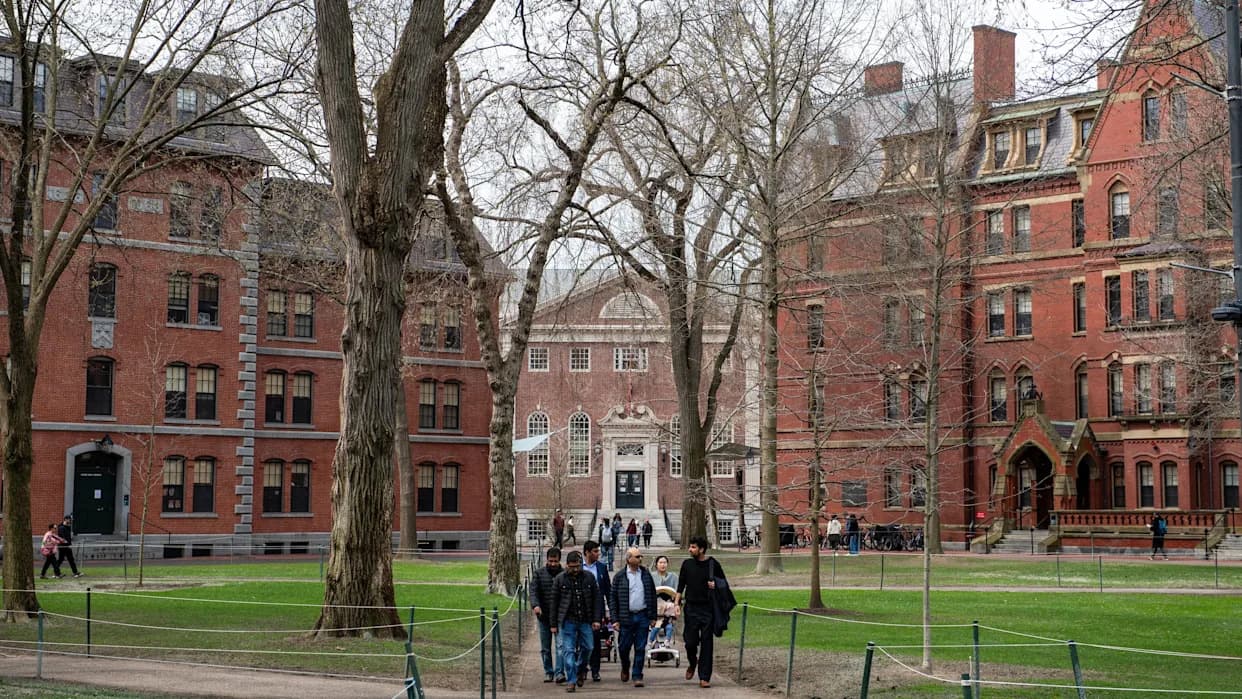
The proposal explicitly names colleges and universities among the institutions where prayer would be banned. It would also extend the restrictions first set out in Bill 21 — which limits public-sector employees from wearing some religious symbols — to workers and students in daycares, colleges, universities and private schools. Full-face coverings would be prohibited for anyone in those settings.
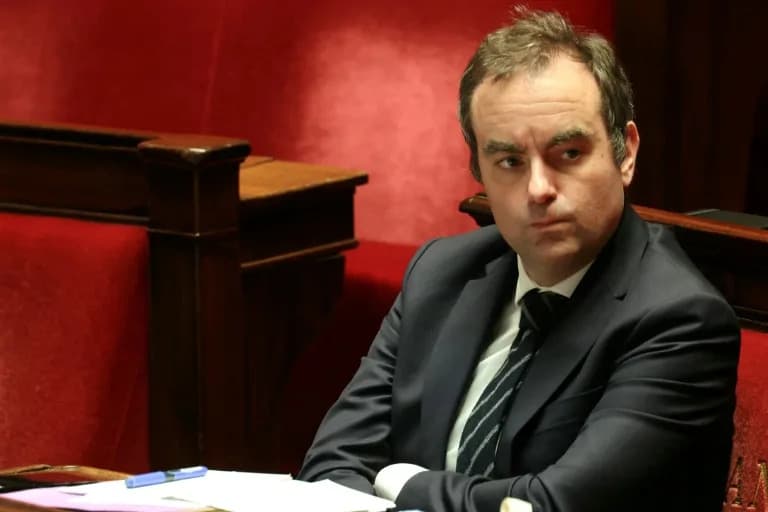
The government says the measures are intended to strengthen state neutrality. Jean-François Roberge, Quebec’s minister responsible for secularism, described the bill as part of a broader effort toward provincial secularization and criticized prior accommodations such as designated prayer rooms on campus.
“It’s shocking to see people blocking traffic, taking possession of the public space without a permit, without warning, and then turning our streets, our parks, our public squares into places of worship,” Roberge said, referring to recent protests that included communal prayers outside Montreal’s Notre-Dame Basilica.
The legislation would also limit the availability of kosher and halal meal options in public institutions, a provision that has alarmed critics who say the bill will disproportionately affect religious minorities. Students and civil-society groups have described the changes as discriminatory. Ines Rarrbo, a first-year engineering student, said the measures "feel like a personal attack against our community," adding, "It's as if we're not welcome here."
Community and religious leaders have pushed back. Stephen Brown, president of the National Council of Canadian Muslims, called the move "political opportunism" and warned it amplifies social division. The Assembly of Quebec Catholic Bishops said the bill would be a "radical infringement on the rights and freedoms of the Quebec population" and argued the government has not demonstrated a clear need for the new restrictions.
Legally, the proposal follows Bill 21 in invoking the Canadian constitution’s notwithstanding clause — a mechanism provinces can use to shield legislation from certain Charter challenges. Bill 21 was previously upheld by Quebec’s superior court despite findings that it violated freedom of expression and religion for minorities; Bill 9 would pre-emptively rely on the same clause. Canada’s Supreme Court is expected to consider a related legal challenge in the coming months.
The debate over Bill 9 raises questions about how a secular state balances public neutrality with individual religious freedoms, and it is likely to prompt further legal and public scrutiny as it moves through the legislature.
Help us improve.