Graphic videos from the Ukraine war underscore the human toll of nearly four years of fighting, with hundreds of thousands dead. Senator JD Vance argues that partisan reflexes — opposing a policy primarily because of who supports it — have distorted the U.S. debate over peace. The piece asks whether early diplomacy or a timely ceasefire could have spared lives and criticizes pundits who shape strategy from afar.
“Bonkers”: JD Vance on How Partisan Fury May Be Prolonging the War in Ukraine

Someone recently showed me two brutally graphic videos from the war in Ukraine. One clip, played from a phone, depicted Russian soldiers being torn apart by automatic weapons fire. The other showed young, clearly terrified Ukrainian fighters locked in trench combat — images that evoked the horrors of World War I.
After nearly four years of fighting, hundreds of thousands have died, many in the most gruesome ways imaginable. The human cost — on soldiers and civilian families alike — is staggering, and political leaders around the world have struggled to respond effectively to the crisis.
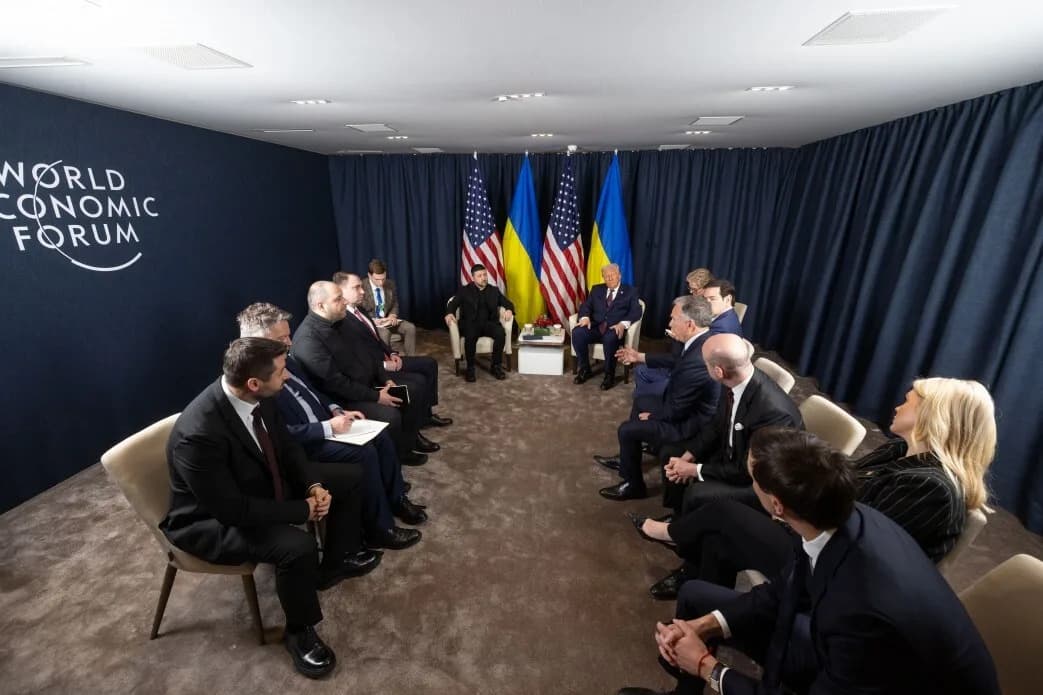
At the same time, there are signs that a ceasefire might be possible. President Trump has been an outspoken advocate for ending the conflict that began in February 2022, and that stance has intensified existing partisan divisions over the proper U.S. response.
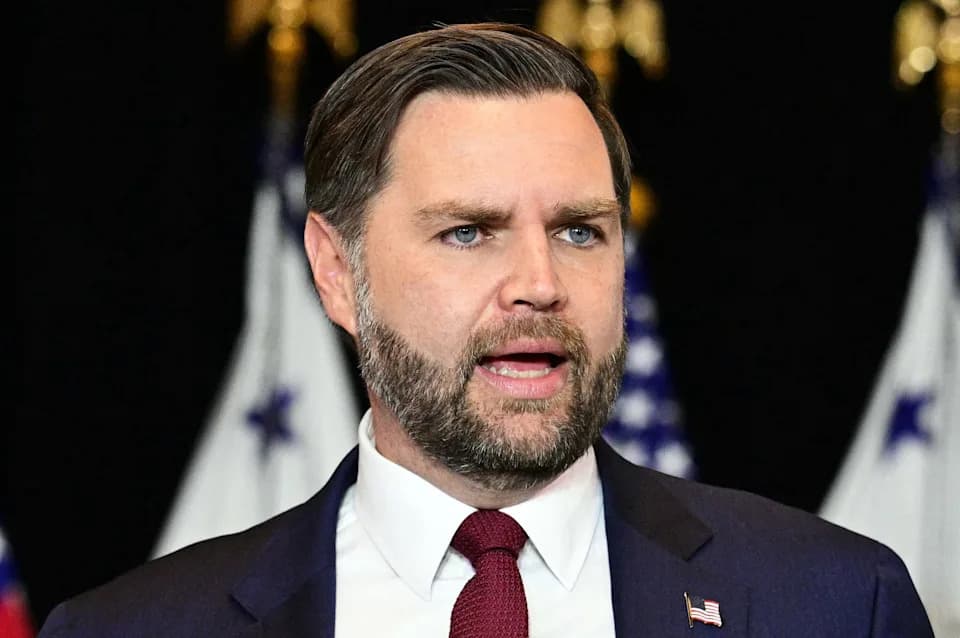
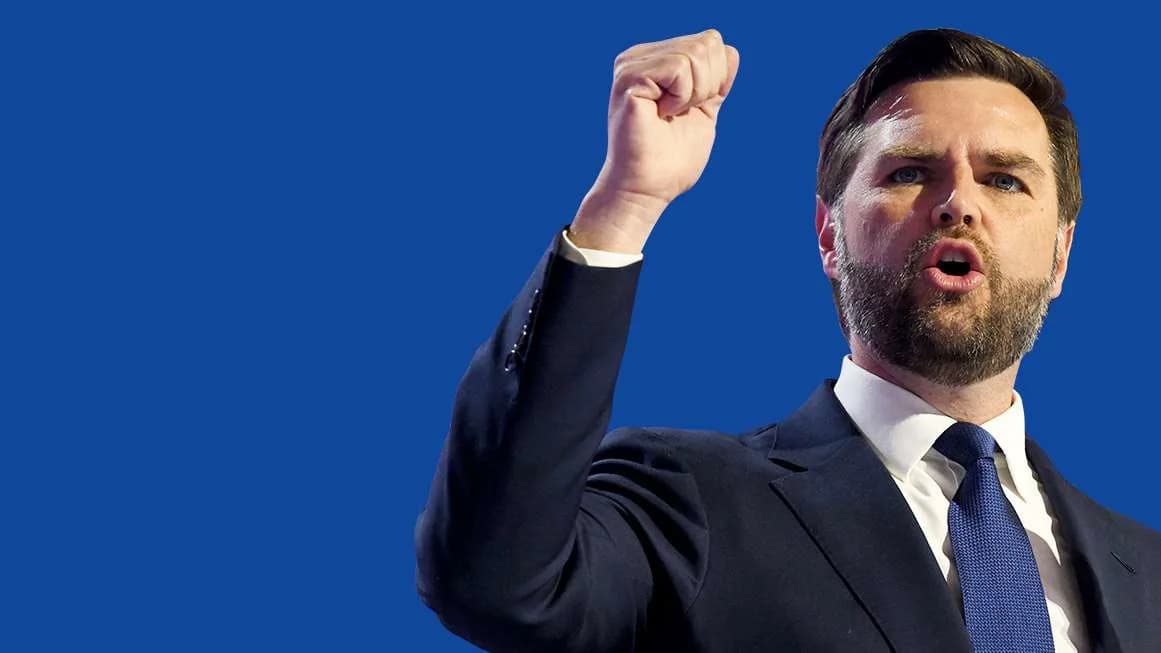
“The political class is really angry that the Trump administration may finally bring a four-year conflict in Eastern Europe to a close. … The level of passion over this one issue when your own country has serious problems is bonkers. It disgusts me. Show some passion for your own country.” — Senator JD Vance, post on X
Vance’s choice of the word “bonkers” captures a widespread frustration: when policy positions become defined by who proposes them rather than by their merits, debate can become unmoored from outcomes. From the start of the war, some commentators have warned that antipathy toward Donald Trump has colored assessments of Vladimir Putin and of what policies would best serve Ukrainian and Western interests. Allegations of collusion that dominated earlier political discourse have since been contested or discredited in many quarters, but the political linkage between the two leaders persists for some observers.
That association raises difficult questions. Has hostility to Trump led some to advocate riskier policies for Ukraine — even if those policies carry a high human cost? Could early diplomacy or a timely offer of a ceasefire have deterred further bloodshed? And if an early settlement was possible, who would have been willing to offer the concessions required to stop the fighting?
It is also striking how often commentators and policymakers debate escalation and strategy from comfortable offices thousands of miles from the front lines. The perspectives of those actually fighting — and those grieving the dead — deserve greater weight in any debate about how to end the conflict.
Ultimately, the most important measure of policy should be whether it saves lives and reduces suffering. Young men and women on both sides have died who should never have been sacrificed for partisan advantage. If partisan reflexes have indeed prolonged the war or made a negotiated end harder to achieve, that is a failure those responsible will long have to answer for.
Author: Douglas MacKinnon, former White House and Pentagon official.
Help us improve.