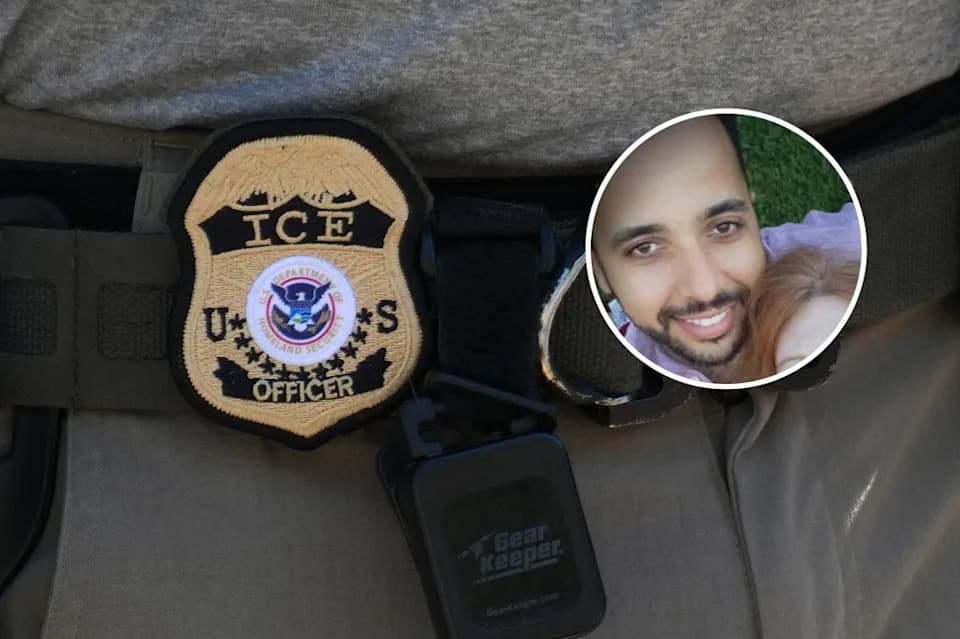
Maher Tarabishi, 62, was detained by Immigration and Customs Enforcement (ICE) on 28 October during the annual supervision appointment he has attended in Dallas for 17 years. Tarabishi, originally from Jordan, remains in the United States under supervised release after a denied asylum claim because he is the primary caregiver for his son, Wael, who was diagnosed with Pompe disease at age four.
Previous check‑ins were routine: Tarabishi would report, an officer might ask briefly about Wael’s condition, and he would leave. This time, ICE agents arrested him. Family members did not hear from him for hours and later learned he had been transferred several hours away to a facility in Anson, Texas. They were initially told he would be held at Prairieland, near Dallas, creating confusion and distress while they searched for him.
ICE has described Tarabishi as a "criminal alien" and alleged ties to the Palestine Liberation Organization (PLO). The family strongly rejects those claims. "My father has lived in the United States for decades and has never committed a crime. He has never been part of any terrorist organization," Wael said in a statement. Relatives say Maher has faithfully attended every immigration appointment, paid his taxes and cared full‑time for his son.
Wael’s medical crisis
Wael, now 30, depends on round‑the‑clock care for Pompe disease, a progressive disorder that weakens muscles and can cause severe respiratory and cardiac complications. A few weeks after his father's detention, Wael was hospitalized with simultaneous infections in his lungs and bloodstream; at one point his heart stopped. Family members say Maher’s attentive care over decades has been central to Wael’s survival.
The arrest has taken a heavy emotional toll. Relatives describe Maher as deeply distraught and often begging on phone calls, "Don't forget about me. Don't leave me alone." He opens nearly every call by asking, "How’s Wael doing?" Wael’s relatives—his mother, sister‑in‑law and cousins—have rushed to provide care but say the absence of his primary caregiver is devastating. "Right now he’s feeling like he doesn’t want to live anymore," Shahd Arnaout, Wael’s daughter‑in‑law, said of Wael.
Those caring for Wael emphasize that emotional distress can have immediate physical consequences; his mother said crying lowers his oxygen levels, underscoring the urgency of reinstating stable, familiar care.
Family response and broader context
The family has repeatedly appealed for Maher’s release so he can return to tending to his son. They say the detention appears arbitrary and racially motivated. The case also fits within a wider pattern: immigration arrests during the current administration have risen, and a substantial share of ICE detainees are held without criminal convictions.
"Maher was his case manager, his equipment company, his doctor, his everything," Wael’s mother said. "We are at the point where we’re not trying to lose either of them."
The family continues to press for clarity about the allegations against Maher and for expedited action given Wael’s fragile condition. They remain in near‑daily phone contact with him and are organizing support while calling publicly for his return.