The State of the Cryosphere Report, presented at COP30, warns that current climate pledges could still allow warming above 3.6 °C, risking large‑scale ice loss and multi‑metre sea‑level rise. Professor Chris Stokes contributed analysis showing that warming to about 2.7 °C would likely produce several metres of sea‑level rise over centuries. The report urges tighter limits near 1.8 °C, rapid fossil‑fuel phase‑out, carbon removal, and stronger adaptation measures to protect coastal communities.
Scientists Warn Current Climate Pledges Could Still Trigger Catastrophic Ice Loss and Multi‑Metre Sea‑Level Rise
A major international assessment warns that current global temperature pledges may not be enough to prevent large‑scale ice loss that threatens coastal communities worldwide. The State of the Cryosphere Report, coordinated by the International Cryosphere Climate Initiative and presented at COP30 in Belém, Brazil, drew on the work of 50 leading researchers.
Durham University’s Professor Chris Stokes (Department of Geography) contributed key analysis to the report. His work indicates that if countries only meet their current emissions pledges, the planet could warm by more than 3.6 °C above pre‑industrial levels (about 6.5 °F), producing severe consequences for the Greenland and Antarctic ice sheets and for billions of people living in low‑lying coastal areas.
Stokes: "Warming to 2.7 °C would likely generate several metres of sea‑level rise over the coming centuries as the Greenland and Antarctic ice sheets respond to warmer air and ocean temperatures, making adaptation much harder and far costlier."
The authors argue that safer limits on warming are needed to manage long‑term sea level. The report highlights that effective sea‑level management would require limiting warming to around 1.8 °C or less. Exceeding that threshold risks large, long‑lasting ice losses that would accelerate sea‑level rise for centuries.
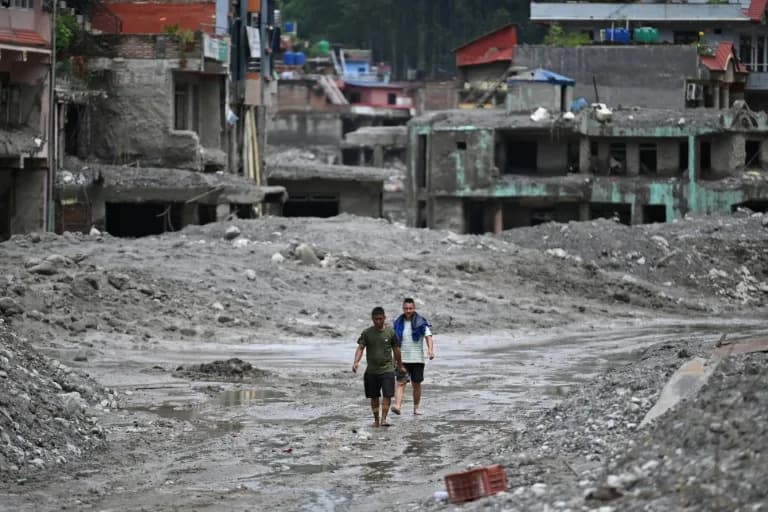
Melting ice and rising seas threaten billions of people through direct loss and damage to coastal and island communities, increased displacement, and amplified storm surge and flooding during extreme weather events. The economic burden of adaptation—coastal defenses, infrastructure upgrades, and relocation—rises substantially as temperatures climb, diverting resources from other public needs.
Beyond coastal impacts, ice loss affects food and water systems by changing ocean ecosystems and altering agricultural conditions. Warmer temperatures also expand the ranges of disease vectors, creating new public‑health challenges.
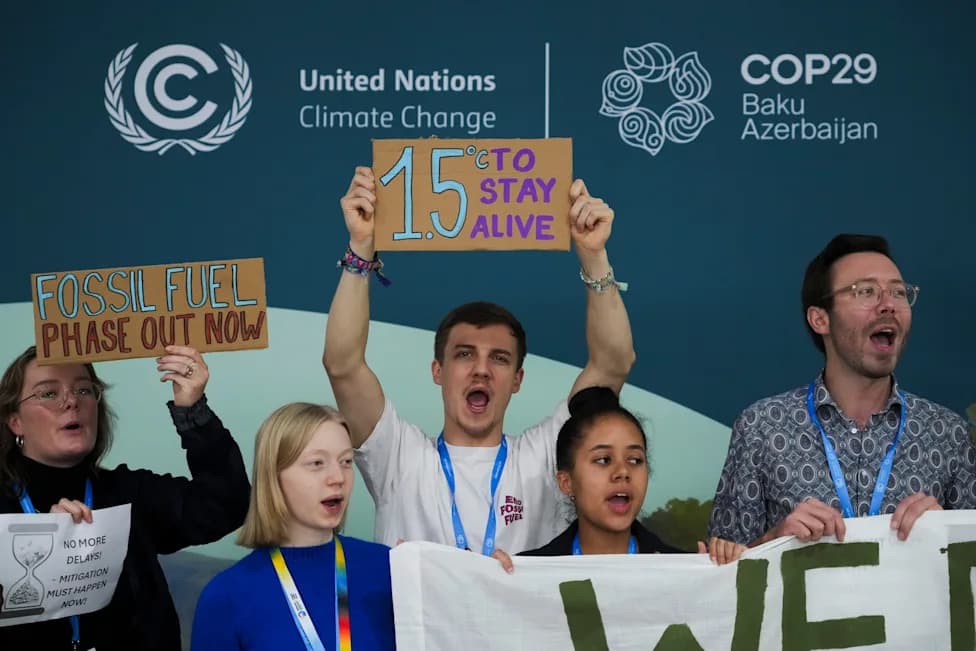
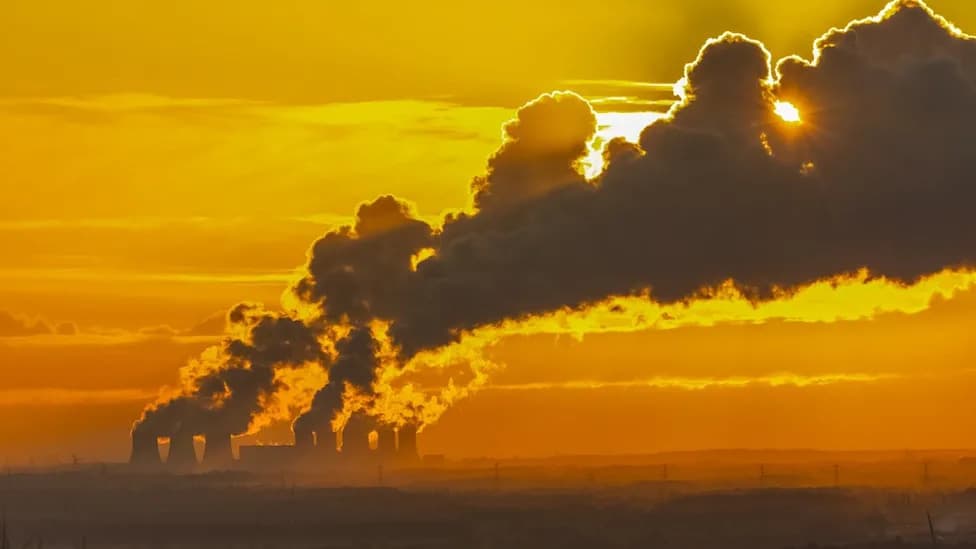
The report and contributing studies call for urgent, deeper emissions cuts, a rapid phase‑out of fossil fuels, scaled‑up carbon dioxide removal where appropriate, and accelerated deployment of renewable energy and electrification. At the same time, communities should invest in adaptation measures: stronger early‑warning systems, protection and restoration of coastal ecosystems (mangroves, wetlands, reefs), and climate‑resilient infrastructure.
Policy makers, communities and the private sector face urgent choices: adopt bolder mitigation to limit long‑term warming and invest in resilience now to reduce future loss, damage and costs to coastal populations worldwide.
Help us improve.