Key points: Economists say incomes are increasingly failing to keep pace with the cost of living. Bank of America Institute analysis shows inflation has outpaced after-tax wages for middle- and lower-income households since January 2025, and nearly 1 in 4 U.S. households now live paycheck to paycheck. A national survey finds 76% of voters rate the economy negatively, raising political stakes.
Incomes Lag Behind Rising Prices, Pushing Nearly 1 in 4 U.S. Households to Live Paycheck to Paycheck

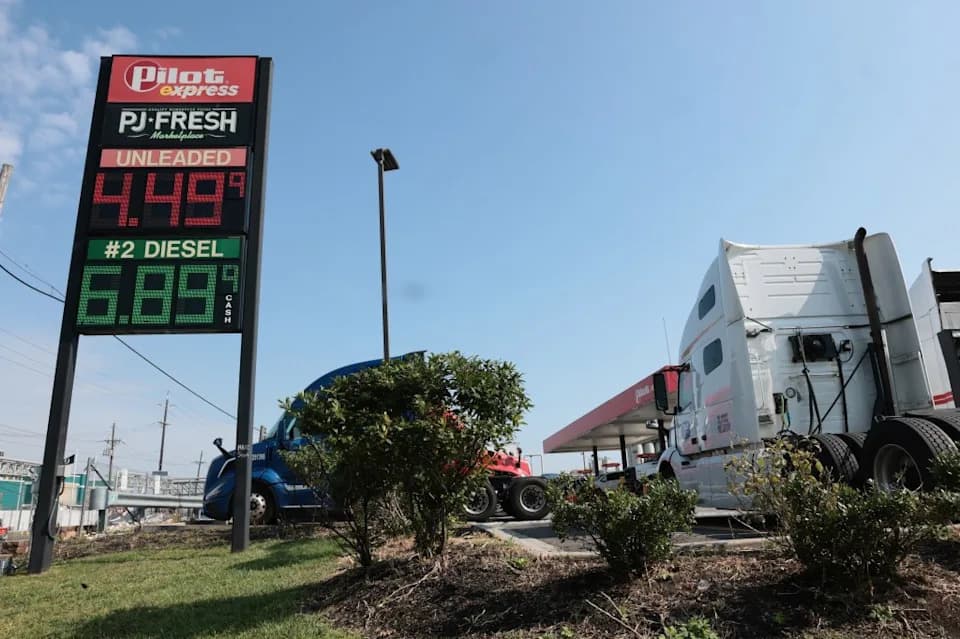
For months Americans have complained about the high cost of living. Now economists warn of a deeper worry: household incomes are increasingly failing to keep pace with rising costs, leaving many families with little financial cushion.
Joanne Hsu, director and chief economist of the University of Michigan’s Surveys of Consumers, says the trend is becoming more apparent in recent data.
"Consumers have been expressing frustration from high prices consistently for the past several years. What makes this season different is that consumers are also increasingly mentioning weakening incomes as well," Hsu said. "This year, they are reporting pressures on their pocketbooks from multiple sources."
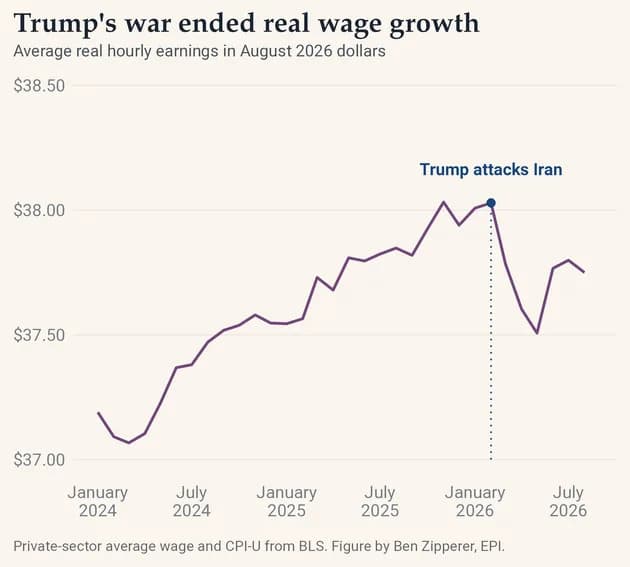
Analysis from the Bank of America Institute shows that, since January 2025, inflation has risen faster than after-tax wages for middle- and lower-income households. As a result, nearly one in four U.S. households now live paycheck to paycheck — a share that has grown over the past year.
Financial impact on households
The erosion of purchasing power is pushing more families to the margins of their budgets. With less room for saving or unexpected expenses, many households are finding it harder to maintain their living standards or build emergency cushions.
Political implications
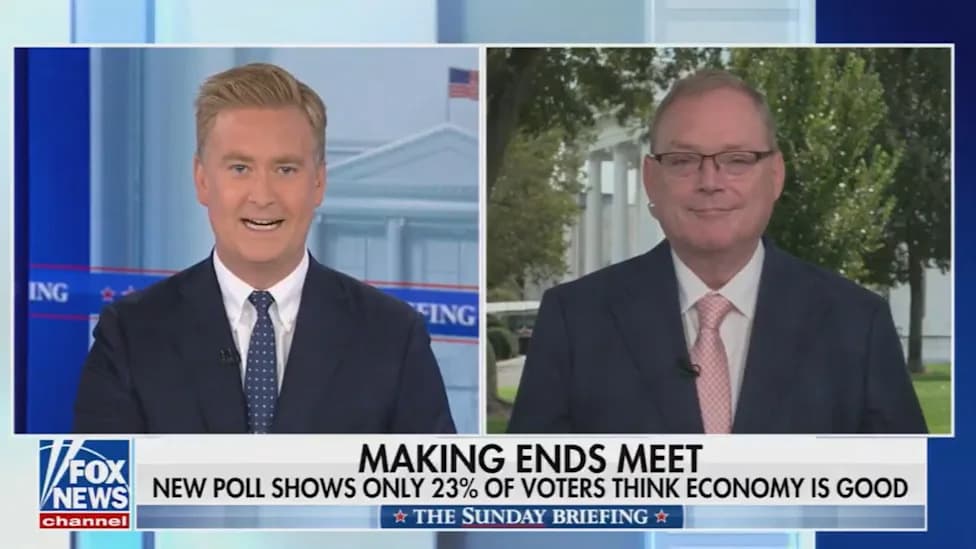
The mounting economic strain also carries political consequences. A recent national survey finds 76% of voters rate the economy negatively, up from 67% in July and 70% at the end of the previous administration. That shift in sentiment has coincided with declining approval for the president's handling of the economy and rising overall disapproval.
For now, prices still feel high and paychecks too thin for many Americans. How quickly inflation and wage trends change — and whether elected leaders receive credit if conditions improve — could shape economic and political debate in the months ahead.
Help us improve.