Israeli forces killed at least four Palestinians in Gaza during a six-week ceasefire, and Palestinian Islamic Jihad said it recovered the body of an Israeli captive. Attacks — including drone strikes, artillery and helicopter raids — were reported beyond the so-called "yellow line," and civil defence teams recovered eight family members from rubble in Maghazi. Authorities say 582 bodies have been retrieved since the ceasefire began and more than 9,500 people remain missing under the ruins. West Bank raids and settler attacks continued, while a Hezbollah commander was buried in Lebanon, raising regional tensions.
Ceasefire Strained as Israeli Strikes Kill Four in Gaza; Militants Recover Captive’s Body

Israeli forces killed at least four Palestinians and wounded others across the Gaza Strip on Monday despite a six-week ceasefire, while a Palestinian armed group announced it had recovered the body of an Israeli captive in central Gaza.
Ongoing strikes and civilian toll
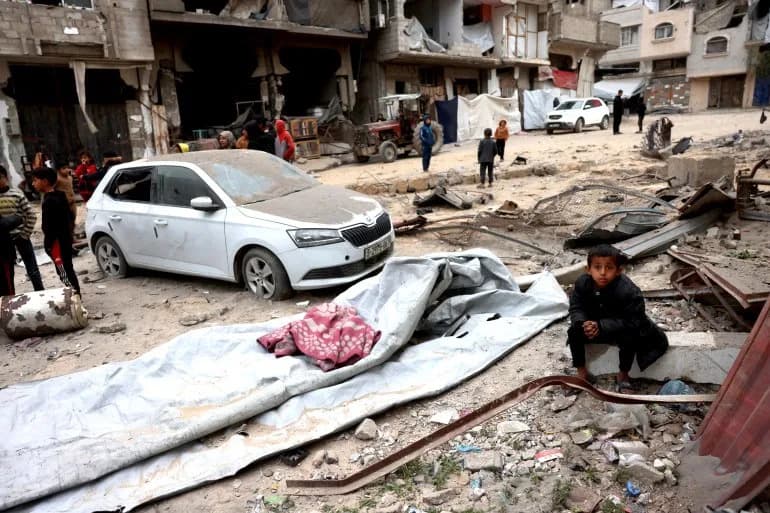
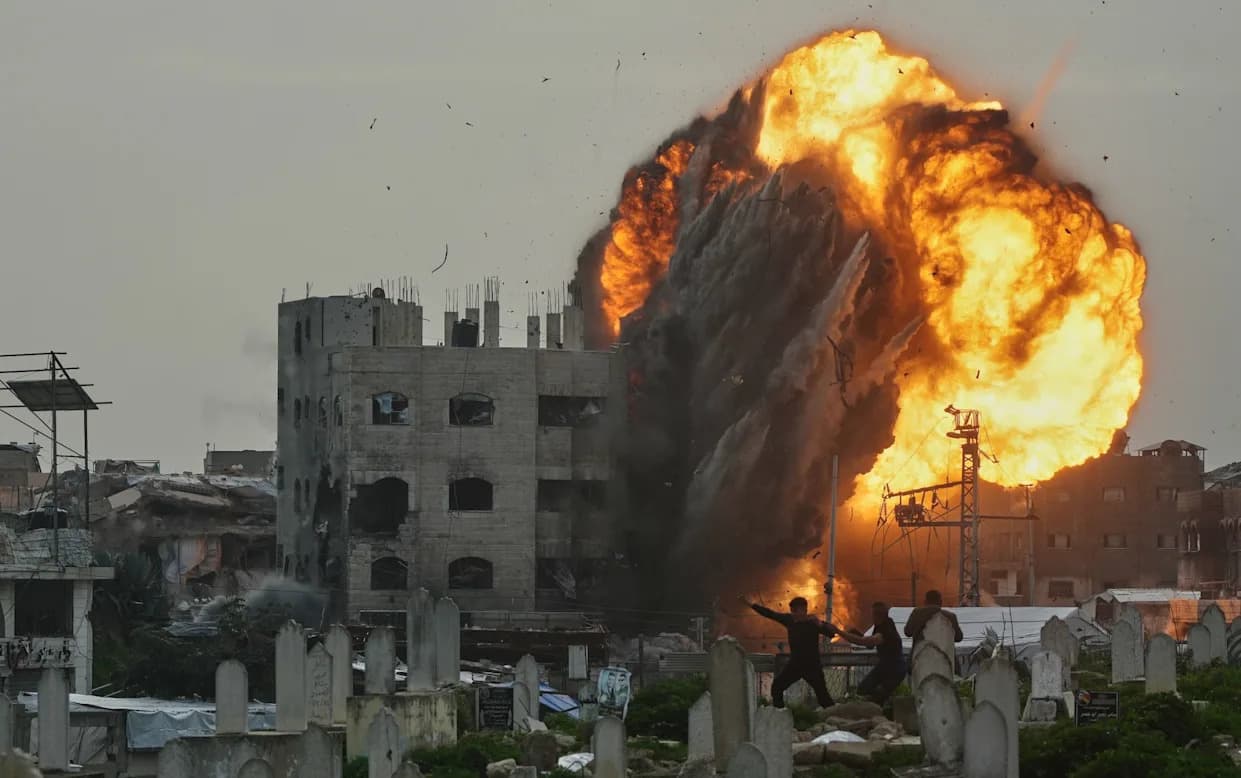
One of the victims was struck in a drone attack in Bani Suheila in southern Gaza, an area controlled by Israeli forces beyond the so-called "yellow line." In northern Gaza City a child was killed when unexploded ordnance left behind by Israeli forces detonated, the territory's civil defence said. Several other children were reported wounded, some in critical condition.
On-the-ground sources described continued Israeli operations throughout the day, including artillery, air raids and helicopter strikes in both the northern and southern parts of the enclave. Fire reportedly hit areas beyond the yellow line in Beit Lahiya, while tanks and helicopters targeted territory northeast of Rafah and the outskirts of Khan Younis.
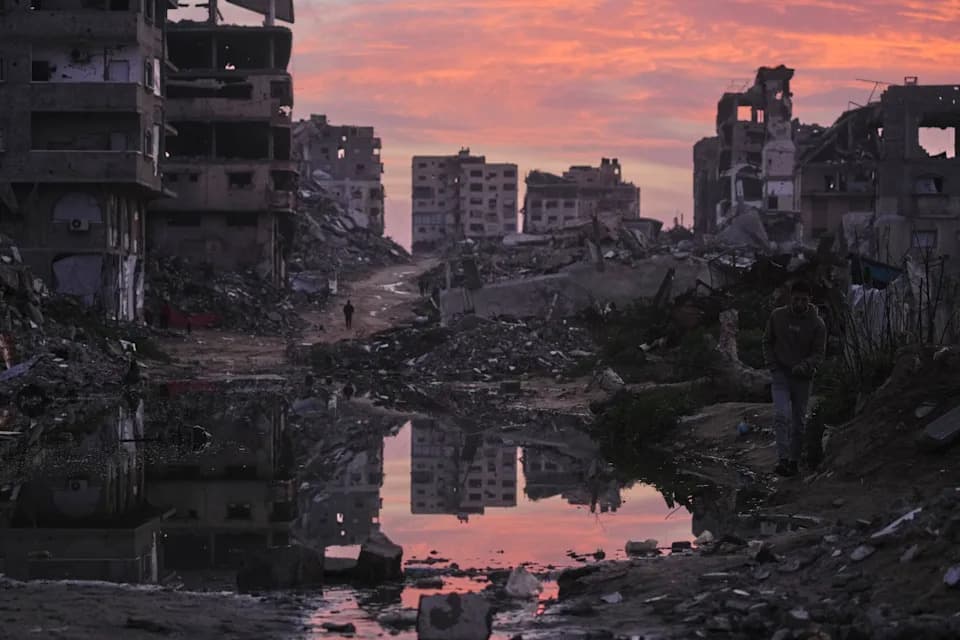
Family testimonies describe a systematic effort to destroy eastern neighbourhoods and create buffer zones that are increasingly uninhabitable, complicating the prospect of return for displaced families.
Recoveries, missing and humanitarian fallout
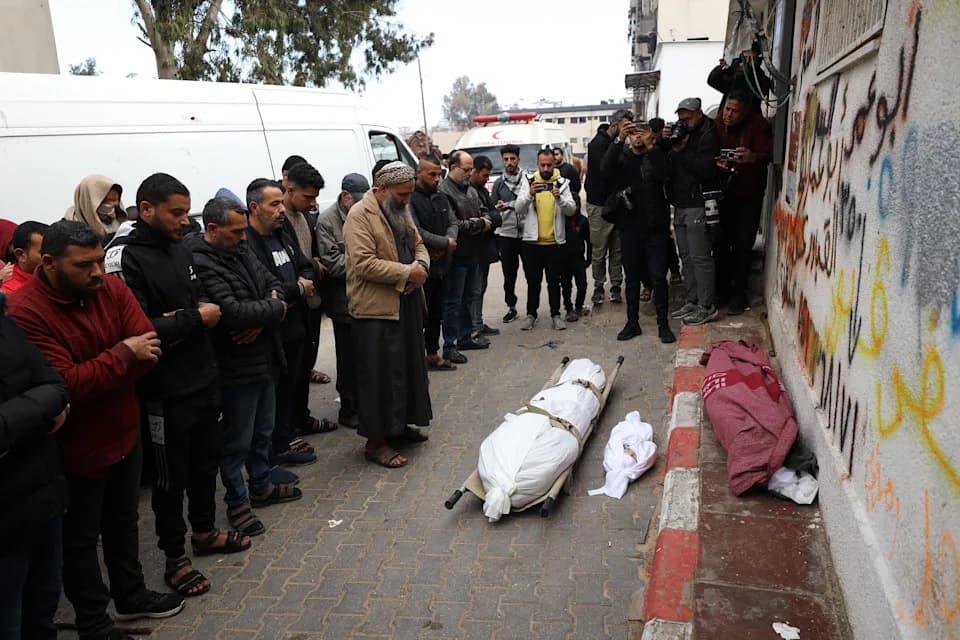
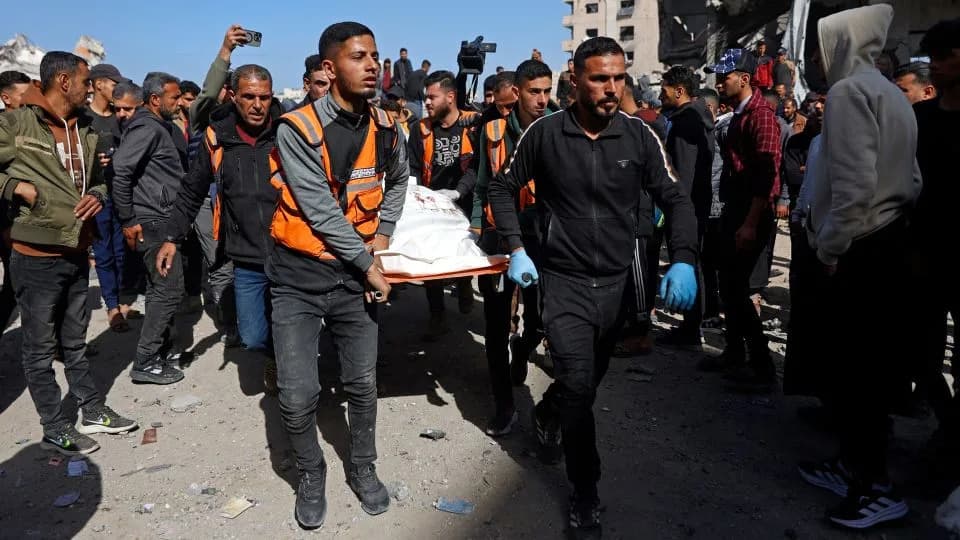
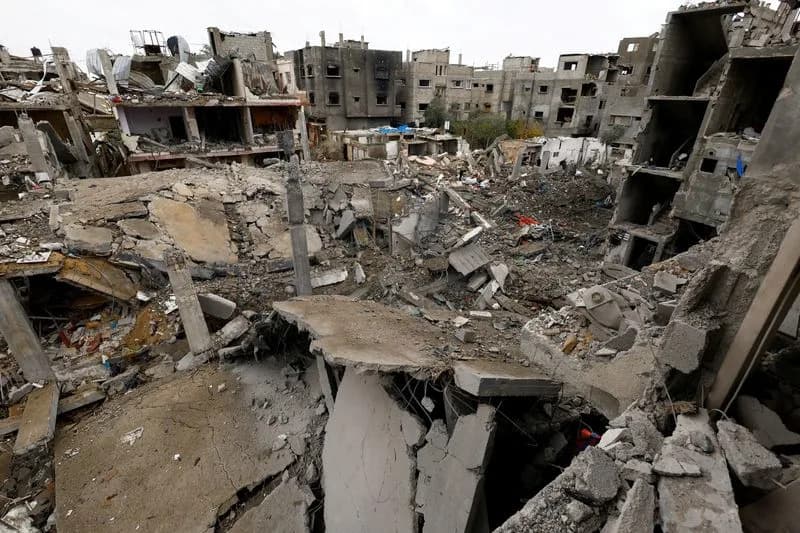
Civil defence teams, supported by police and Red Cross personnel, recovered the bodies of eight members of a single family from rubble in the Maghazi camp after an earlier strike on their home. The Gaza Government Media Office said the total number of bodies retrieved since the ceasefire began has reached 582, and that more than 9,500 people remain missing beneath the ruins of bombed districts.
The Palestinian Islamic Jihad (PIJ) reported it had recovered the body of an Israeli captive in the Nuseirat camp. Under the first phase of the ceasefire agreement, if that body is formally identified, the deal requires two additional bodies to be recovered before certain exchanges proceed; the agreement also calls for Israel to return the bodies of 15 Palestinians in exchange for each recovered captive's body.
Hamas has said the widespread destruction and rubble make it extremely difficult to locate and identify missing people.
Aid operations and allegations
The GHF, a US-backed organisation that had operated parallel to United Nations aid structures, announced it was ending its activities in Gaza, citing provisions of the October ceasefire. UN experts have accused the programme of contributing to deadly crowd shootings at distribution points and reported that at least 859 Palestinians were killed in incidents around GHF distribution sites since May 2025. Critics argued the scheme bypassed established humanitarian channels and drew broad condemnation.
West Bank: raids, settler violence and fatalities
Across the occupied West Bank, security forces stepped up raids overnight, arresting at least 16 Palestinians in several towns, including near Tulkarem, Bethlehem, Ramallah and Jenin, with additional detentions reported in Tubas and surrounding areas.
Violence escalated when 20-year-old law student Baraa Khairi Ali Maali was killed in Deir Jarir north of Ramallah. Local officials said clashes followed after Israeli settlers attacked homes on the village outskirts and troops entered, opening fire on Palestinians who confronted them. Maali was shot in the chest and died shortly after arriving at hospital; his killing followed a similar fatal shooting in the same village last month.
Other incidents in the West Bank included injuries to two women and the detention of two brothers during a raid in Kafr Qaddum. Settler attacks also continued: fires were set on agricultural land between Atara and Birzeit, destroying farmland, while in Atara settlers from a newly established outpost burned olive trees and stole farming equipment.
Since October 7, 2023, reports indicate at least 1,081 Palestinians have been killed in the occupied West Bank by Israeli forces and settlers, including 223 children; more than 10,614 have been wounded and over 20,500 arrested.
Regional tensions: Lebanon and Hezbollah
In Lebanon, Hezbollah held a funeral for senior commander Haytham Ali Tabatabai, who was killed in an Israeli strike on Sunday. Images from Beirut's southern suburbs showed mourners carrying his coffin wrapped in yellow and green amid rows of Hezbollah flags. The group has not announced any immediate response.
Hezbollah leaders and outside analysts warned the assassination could escalate tensions. Mahmoud Qmati, vice president of Hezbollah's Political Council, called the killing "yet another ceasefire violation" and accused Israel of escalating the conflict with backing from the United States. Security analysts say Hezbollah is weighing options carefully, conscious that a large-scale retaliation could invite a devastating Israeli assault, while inaction could erode the group's deterrence.
Outlook
The situation remains fragile: sporadic strikes, recoveries of bodies, ongoing searches for the missing under rubble, and continued violence in the West Bank keep the ceasefire under strain. Humanitarian access and efforts to account for the dead and missing remain urgent priorities as regional actors weigh their next moves.
Help us improve.