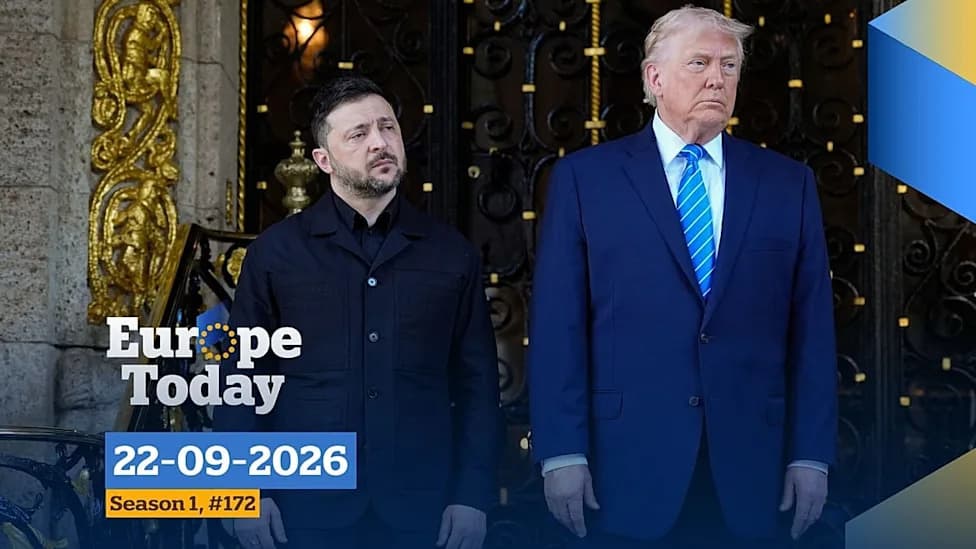
Ukrainian President Volodymyr Zelensky this weekend reaffirmed his and his nation’s appreciation for U.S. support after former President Donald Trump complained that Ukraine had shown him “ZERO GRATITUDE.” In a video posted on X, Zelensky emphasized the importance of ongoing dialogue with American officials and thanked everyone providing assistance.
“It is important that there is dialogue with the American representatives, and there are signals President Trump’s team is hearing us,” Zelensky said. “Everyone is offering support, giving advice, providing information — and I am grateful to each and every person who is giving this help to us, to Ukraine.” He added: “Thank you to America, to the President of the United States, and to all the leaders in Europe and around the world, who feel the significance of what can be decided now.”
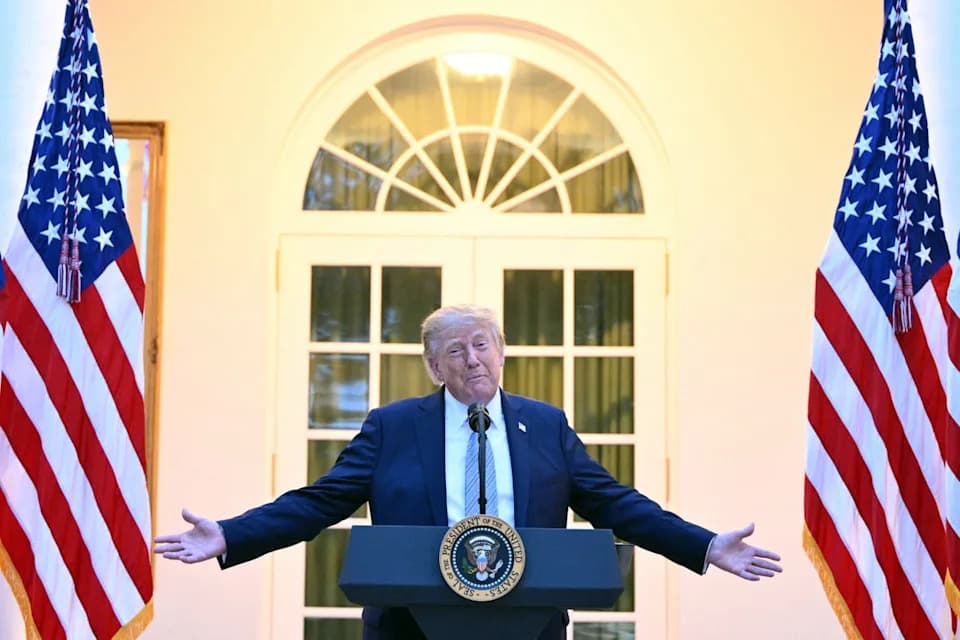
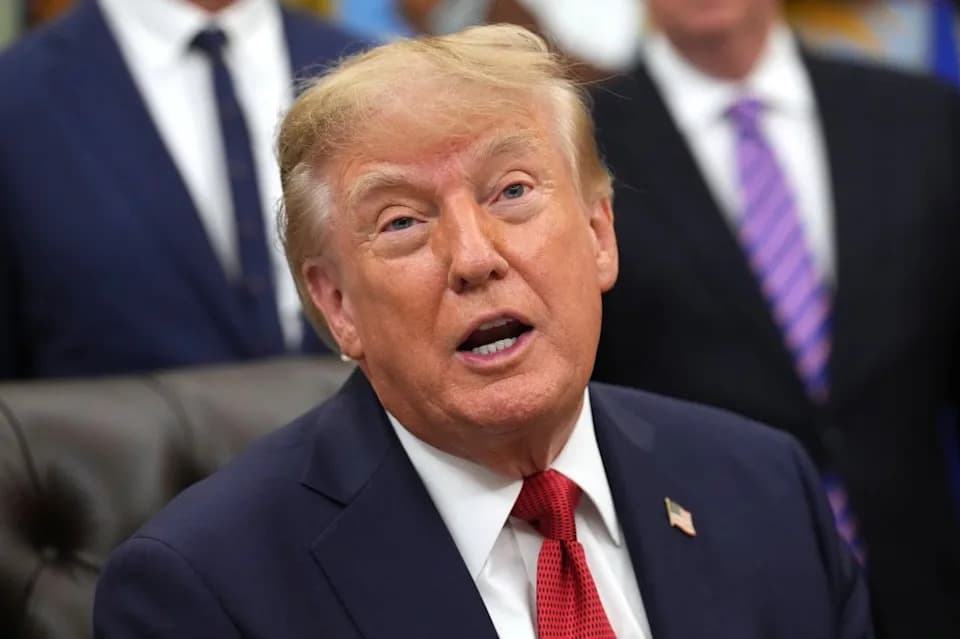
“UKRAINE ‘LEADERSHIP’ HAS EXPRESSED ZERO GRATITUDE FOR OUR EFFORTS, AND EUROPE CONTINUES TO BUY OIL FROM RUSSIA,” Trump wrote on Truth Social, also criticizing U.S. foreign policy and past administrations.
Trump has repeatedly used Europe's continuing purchases of Russian energy as a political cudgel, even though the European Union has sharply reduced its dependence on Russian oil and gas since the full-scale invasion of Ukraine. The administration has at times offered exemptions for certain countries; for example, Hungary — led by Viktor Orbán, an ally of Trump — recently received a carve-out from new U.S. sanctions on Russian energy.
Background: Oval Office Tensions and Diplomatic Fluctuations
Tensions between the two leaders flared earlier this year during a fraught Oval Office meeting intended to mark a minerals agreement. That gathering unraveled when Trump and Vice President J.D. Vance pressed Ukraine for stronger shows of gratitude and pushed for a ceasefire. Trump accused Zelensky of “gambling with World War III,” abruptly ended the meeting and later posted that Zelensky “is not ready for peace” and had “disrespected the United States.”
The reaction from other world leaders was swift in support of Zelensky, and U.S. and Ukrainian officials later resumed talks. Within weeks, negotiators in Saudi Arabia discussed a proposed 30-day ceasefire contingent on Russian reciprocity, and the U.S. lifted a temporary pause on military aid and intelligence sharing.
When the leaders met again in August, Zelensky — accompanied by European partners — adopted what allies described as “gratitude diplomacy,” thanking the U.S. president repeatedly at the start of their encounter.
Leaked Peace Proposal and Political Fallout
Relations chilled again after a recent round of talks between U.S. and Russian officials produced a widely leaked 28-point draft peace proposal from which Ukraine was notably absent. Critics say the draft effectively reads as a surrender document, demanding measures such as a drastic reduction of Ukraine’s military, recognition of occupied territories as Russian, and a bar on future NATO membership — positions long demanded by Moscow.
Top Republican lawmakers reacted angrily, with some saying Secretary of State Marco Rubio privately described the draft as resembling a Russian “wish list.” Rubio has denied those characterizations, stating the proposal was authored by the U.S. as a framework for negotiations and was informed by input from both Russia and Ukraine.
Domestic Pressures and Humanitarian Concerns
Zelensky is also confronting significant domestic challenges, including a corruption scandal involving close associates and the prospect of a harsh winter after repeated Russian attacks on Ukraine’s energy infrastructure. Those strikes have left large parts of the population vulnerable to power outages and colder temperatures.
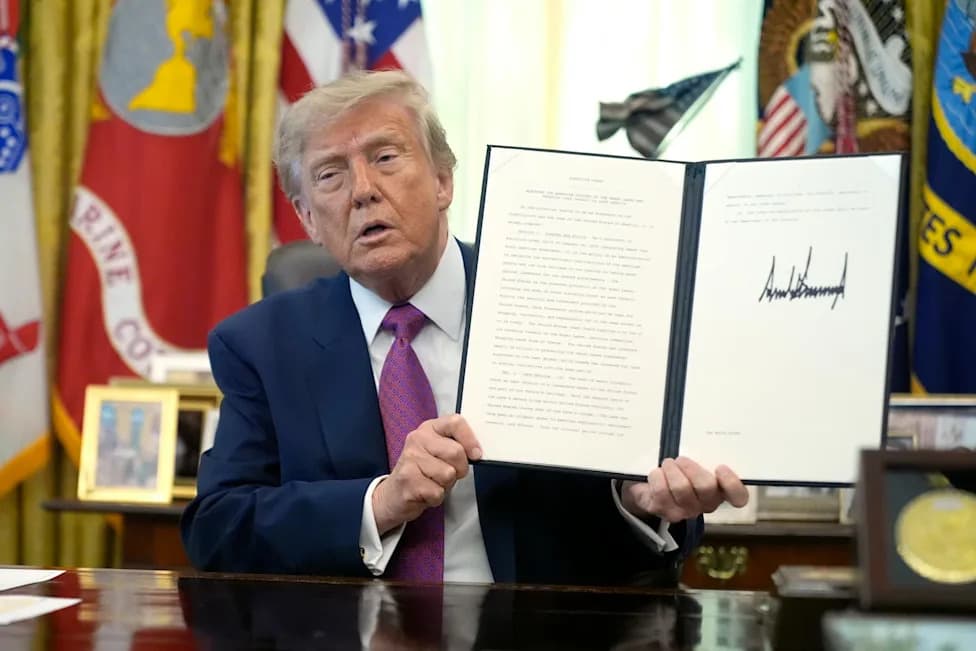
Trump has given Kyiv a short window to respond to the proposed plan but has since softened his public posture, telling reporters, “No, not my final. We’d like to get to peace. It should’ve happened a long time ago.” The debate over the draft has intensified pressure on U.S. policymakers and allies to clarify their negotiating positions.
This episode underscores the fragile, often inconsistent nature of international diplomacy around the war in Ukraine: public rebukes, leaked proposals and intense domestic politics in Kyiv and Washington continue to complicate efforts to find a durable solution.