Christian Aldridge, 41, recounted surviving a brutal blizzard in Torres del Paine National Park that killed five hikers, including his friend Victoria Bond. The storm struck while the group descended the John Gardner Pass, producing winds up to 118 mph and whiteout conditions that made travel impossible. Aldridge alleged delays at base camp urged members to mount their own search, while CONAF and the camp operator say emergency protocols were activated and an internal investigation is underway.
Survivor of Deadly Patagonia Blizzard Recalls Losing Sight of Friend on Icy Mountain

A British climber has shared a harrowing account of a blizzard in Torres del Paine National Park, Chile, that left five hikers dead, including his close friend Victoria Bond.
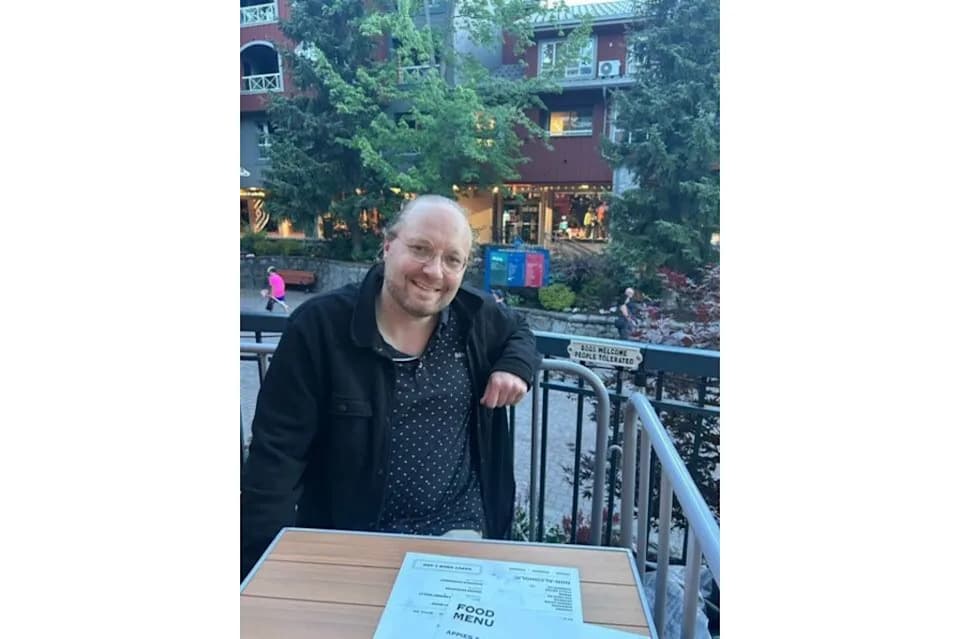
Christian Aldridge, 41, a TV director and producer, described the moment the group was overtaken by the storm while descending the John Gardner Pass. Speaking from a hospital bed in Chile, Aldridge said the conditions turned rapidly: "I think we all thought we were not getting out of this. It felt like we were in a nightmare."
The National Forestry Corporation (CONAF) confirmed that five people were found dead after being exposed to "extreme" sub-zero conditions and winds reported at up to 118 mph. Authorities identified the victims as Cristina Calvillo Tovar and Julian Garcia Pimentel from Mexico; Nadine Lichey and Andreas Von Pein from Germany; and Victoria Bond, 40, from the U.K.
How the storm unfolded
Aldridge and four friends from the U.K. — Victoria Bond, Hayley Newnham (41), Matt Smith (39) and Tom Player (39) — were part of a larger party trekking the pass. The group, described by survivors as "semi-experienced hikers" who had climbed parts of the Himalayas, encountered rapidly deteriorating weather about four days into their hike.
"It was suffocating, wind so powerful that you had to sit down and curl into a ball and turn your back to it so it didn’t knock you down the mountain," Aldridge recalled.
Realizing they were still a couple of miles from base camp, the hikers attempted to find shelter, but Aldridge said the refuge had been closed after rangers left to vote in a mandatory presidential election the day before. With the refuge unavailable, the group decided to descend in single file across a surface that had become a sheet of ice.
Aldridge said he fell while sliding down the mountain and feared for his life. "I was just picking up more and more speed and I thought I can’t keep accelerating like this," he said. He aimed for rocks to stop his slide and survived the fall, but reduced visibility forced the party to pick their way down the slope one agonizing step at a time.
Search, response and investigations
When the survivors reached base camp they discovered some members were missing. Aldridge said he could not say who last saw Bond alive: "We were all together at the point where I fell and slipped down the mountain. I saw her then and after that I didn’t see her."
Aldridge alleged initial delays and a lack of urgency from camp staff when he requested a search party. He said two members of his group and a staff member began searching themselves; their improvised effort found three people — one man already deceased and two women who later died. Park rangers located Bond and the remaining victim the following day.
CONAF expressed regret over the tragedy, offered condolences to victims' families and said emergency protocols were activated after early weather alerts. The agency also announced an internal investigation to determine any potential liability related to the incident. Vértice, the company that manages camps inside the park, called the event the most serious loss of life in Torres del Paine and said it has been cooperating with authorities.
This storm has prompted renewed scrutiny of mountain safety procedures and how rapidly changing weather is monitored in remote national parks. Investigations by authorities aim to clarify the sequence of events and whether any operational or communication failures contributed to the loss of life.
Help us improve.