U.S. senators from both parties are increasingly pushing for aggressive secondary sanctions on Russia as a way to strengthen leverage in Geneva peace talks for Ukraine. Confusion over a leaked 28-point plan — criticized as favoring Russian demands — has prompted sharp reactions from lawmakers and European partners. Procedural hurdles in the Senate and mixed signals from the administration leave the sanctions timetable uncertain.
Bipartisan Momentum for Tough Russia Sanctions Grows Amid Confusion Over Leaked Ukraine Peace Plan

After a weekend of bipartisan confusion over a White House-backed push to end Russia’s war in Ukraine, senators from both parties are coalescing behind efforts to impose harsh secondary sanctions on Moscow and its trading partners.
Sanctions momentum
Sen. Tim Scott (R-S.C.), chair of the Senate Banking Committee, said he “strongly support[s] imposing tough, targeted sanctions on Russia to weaken Putin’s war machine and strengthen America’s hand at the negotiating table,” framing the measures as leverage for any diplomatic deal.
Although Congress has no direct role in the high-stakes Geneva talks between U.S., Ukrainian and European negotiators, lawmakers are preparing to use sanctions as a tool to shape the negotiations. The talks could yield an agreement by Thanksgiving, as President Trump has publicly hoped, or they could collapse and extend a conflict now approaching its fourth year.
Political obstacles and procedure
Lawmakers' path to clear action remains complicated by several factors. Key questions include whether the president will back a sanctions package designed to raise pressure on Vladimir Putin and whether Sen. Rand Paul (R-Ky.) will continue to object to expedited Senate procedures. Paul has called the measure “one of the most ill-conceived bills put forward in Congress,” warning that provisions described by critics as a 500 percent tariff on countries doing business with Russia would amount to an effective embargo and risk escalating tensions.
Without unanimous consent, passing the sanctions bill would take roughly a week — a significant window given a packed Senate calendar that includes a healthcare vote in December and the need to pass spending bills by the end of January. Some Republicans say they remain skeptical until Senate Majority Leader John Thune (R-S.D.) schedules the measure for floor consideration.
Confusion over the leaked peace plan
Confusion intensified when several senators questioned the origins and content of a leaked 28-point peace proposal said to be backed by the administration. Sens. Mike Rounds (R-S.D.) and Angus King (I-Maine) said that Sen. Marco Rubio privately distanced the U.S. from the leaked proposal. The administration has pushed back on claims that the plan was authored by Russia.
Some lawmakers reacted sharply to the leaked offer. Sen. Mark Warner (D-Va.) called the proposals “awful” and likened elements of them to historical attempts to appease aggressive regimes; Rep. Mike McCaul (R-Texas) warned Ukraine against signing any deal without ironclad security guarantees.
European response and the plan’s provisions
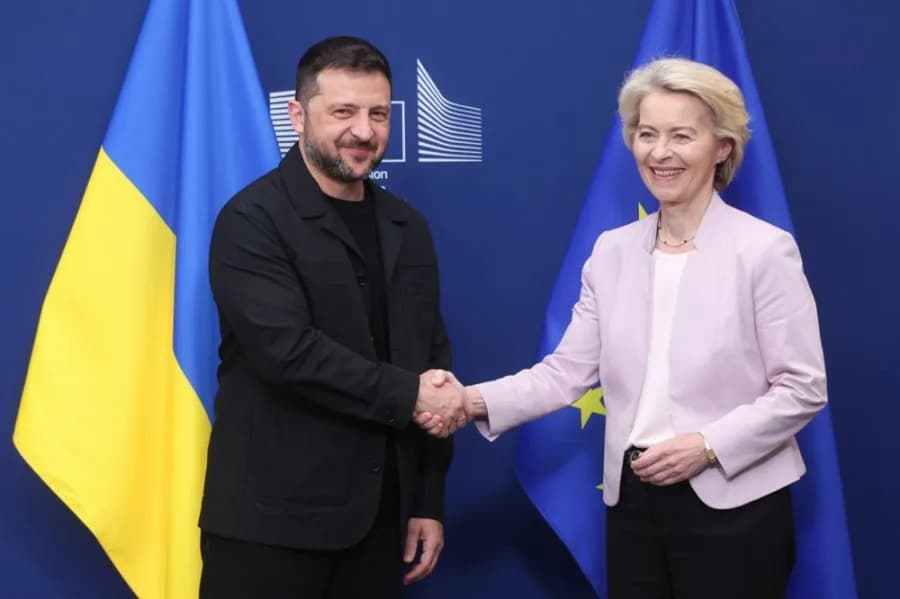
European officials were reportedly surprised by the leak and scrambled to give Kyiv more time to consider the proposal while meeting with U.S. representatives and Ukrainian officials in Geneva to discuss next steps. European diplomats have criticized the framework as skewed toward Russian demands, arguing it would require Ukraine to cede territory Moscow does not currently occupy, reduce the size of its military, and rule out NATO membership. Those officials offered a counterproposal to the framework.
The administration has defended the plan as balanced and says it includes security guarantees for Ukraine. A U.S. official summarized the negotiating reality this way: “Both sides aren’t going to get everything that they want. That’s not what negotiation is.”
Timeline and pressure on Kyiv
President Trump and administration officials have sent mixed signals on timing. While some officials signaled a preference for Kyiv to accept the proposal by Thanksgiving, the president later said it was not his “final offer.” The U.S. also privately suggested it might reduce weapons or intelligence support if Ukraine rejected the proposal — a prospect that European partners reportedly confirmed in discussions with U.S. officials.
Despite the controversy, a bipartisan sanctions bill backed by Sen. Lindsey Graham (R-S.C.) reportedly has the support of a large number of senators, and several lawmakers say they will be ready to finalize secondary sanctions when the Senate returns in December if procedural hurdles can be overcome.
Bottom line: Confusion over a leaked peace plan has accelerated calls in Congress to shore up U.S. leverage with tougher sanctions on Russia, but procedural obstacles, divided GOP voices and mixed signals from the administration leave the timeline and final outcome uncertain.
Help us improve.