The article examines the growing use of drones to smuggle contraband — increasingly weapons — across the Israel–Egypt border into the Negev. Communities such as Kadesh Barnea and Bir Hadaj report frequent nocturnal drone crossings despite jamming systems and increased troop deployments. Officials warn the flow of arms could enable mass violence if left unchecked, while local Bedouin leaders point to neglect, organised crime and land disputes as root problems. The situation highlights a tense mix of security concerns, political rhetoric and community grievances.
Smugglers’ Drones over the Negev Raise Fears of Another October 7‑Style Attack

At night a quadcopter descends over the Negev with a bulky package suspended beneath it. It steadies itself about three metres above the ground and, in thermal footage, a hand reaches up to unclip the load. Seconds later the cargo is transferred to a desert buggy that can cross the sandy border terrain far faster than heavier military vehicles.
Historically, these drone deliveries carried cigarettes and narcotics, staples of cross‑border smuggling linked to parts of the Arab‑Israeli Bedouin community. Israeli officials now report a growing share of consignments are weapons: handguns, grenades, rifles and even general‑purpose machine guns used by infantry units.
Security response and local impact
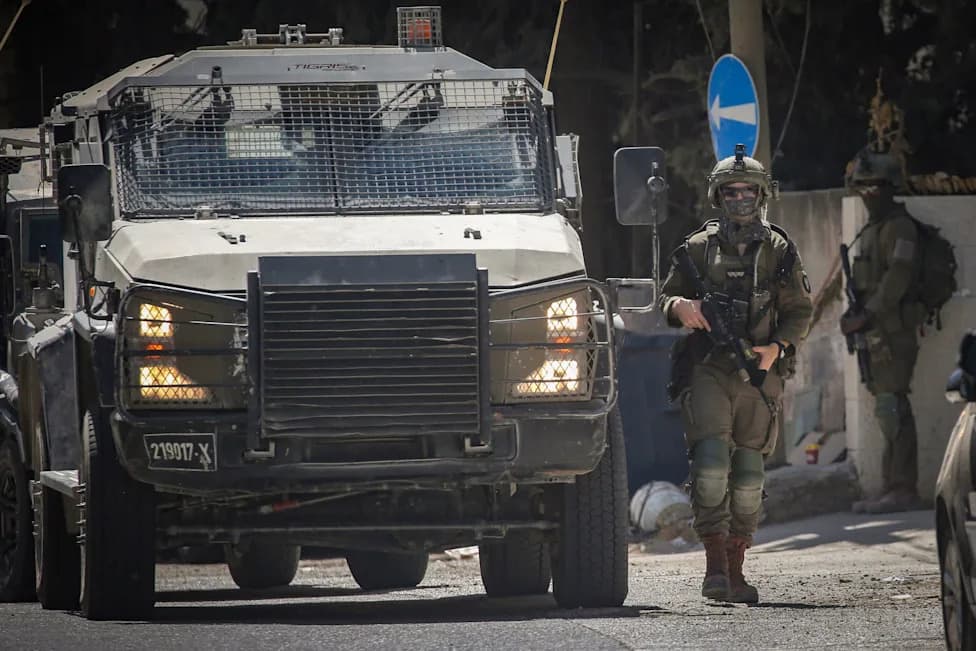
The shift has prompted a stepped‑up response from Israeli authorities. Sections of the border have been declared closed military zones, additional troops deployed and electronic jamming systems installed to disrupt drone control links. Yet residents and local security coordinators say crossings continue in large numbers.
‘The drones come over all the time — day and night, it doesn't matter,’ said Anan Seaon, the military security coordination officer for Kadesh Barnea. ‘On the weekend of Rosh Hashanah there were 550 crossings. The people here are tough, but they don't expect to have grenades and guns flying over their heads.’
Kadesh Barnea was among the first communities to receive anti‑drone equipment, but officials there say smugglers simply shift their routes a short distance along the 130‑mile border. Residents use apps that detect drone‑controller signals and report controllers operating nearby despite jamming efforts.
Smuggling methods and countermeasures
Large shipments are sometimes carried by heavy‑lift platforms such as the FlyCart, which can move around 60kg and require multiple people to handle. Increasingly, smugglers favour smaller, harder‑to‑intercept models like the Matrix 400. The military attempts to jam or seize control of drones electronically; while they often bring craft down or redirect them, these actions have so far only partially disrupted the broader smuggling networks.
Authorities have long assumed weapons entering from Egypt primarily armed organised crime linked to the drugs trade. But as calibres and quantities rise, political language has hardened: some leaders warn that the weapons could be repurposed by militants to carry out mass attacks.
‘If we don't act, we will wake up to another October 7 in the Negev settlements,’ warned a senior political figure during a recent visit. Eran Doron, head of the Ramat HaNegev regional council, emphasised focusing on capability rather than presumed intent: ‘If they have the ability to kill me... then we need to make sure they don't have that ability.’
Community context and controversy
The suggestion that Negev Bedouin might want to massacre Jewish neighbours is deeply contentious and lacks evidence of widespread radicalisation. Many Bedouin communities distance themselves from Palestinian nationalism and include citizens who serve in the military.
Salim Abu Asser, a local leader in Bir Hadaj, said his Azazima tribe wants to continue traditional livelihoods as herders and sees the problem as rooted in neglect: ‘We are citizens, we pay taxes, some of our men do military service. We are loyal,’ he said, while acknowledging smuggling and organised crime exist.
Local leaders and analysts point to longstanding failures in policing, economic opportunity and engagement. The Taub Center reports a sharp rise in homicides among Arab‑Israelis in recent years, and critics accuse security agencies of tolerating intra‑Arab crime so long as Jewish communities are not targeted.
Some residents say political rhetoric inflames tensions further: land disputes, contested building practices and accusations of illegal premises have become intertwined with security concerns. Pro‑settler groups have flagged suspected smuggling from unregulated shops and properties, while Bedouin leaders view enforcement as selective and politically motivated.
Despite disagreements over causes and remedies, a common complaint emerges: military measures so far feel performative to many locals and have not ended nightly crossings. For now the drones keep flying, deepening security anxieties and exacerbating bitter local grievances.
Help us improve.