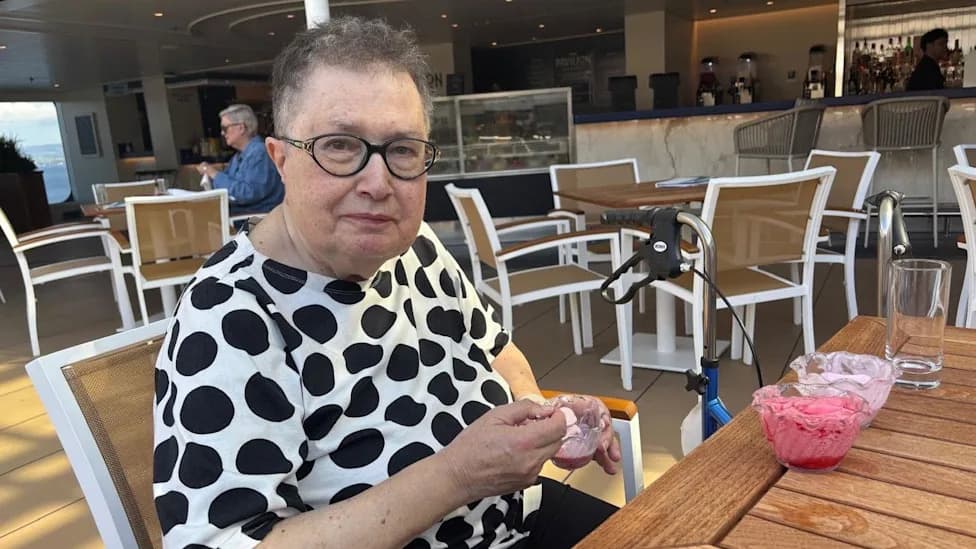
Tatiana Schlossberg, 35 and granddaughter of President John F. Kennedy, revealed in a personal essay that she has acute myeloid leukemia with a rare Inversion 3 mutation and a limited prognosis. The illness was discovered minutes after she gave birth in May 2024 when doctors noted an abnormal white-blood-cell count. After clinical trials and two transplants at Memorial Sloan Kettering, her medical team said they might keep her alive for "a year, maybe." Her essay reflects on family losses, worries about the impact of certain health-policy decisions, and the pain of facing mortality while caring for two young children.
Tatiana Schlossberg, JFK’s Granddaughter, Reveals Terminal Leukemia Diagnosis — "A Year, Maybe"

Tatiana Schlossberg, 35, announced in a personal essay that she has been diagnosed with acute myeloid leukemia carrying a rare genetic change called Inversion 3. The abnormality was first noticed minutes after she gave birth to her second child in May 2024 when doctors saw a strange white-blood-cell count. After multiple clinical trials and two transplants at Memorial Sloan Kettering, her care team told her they could keep her alive for "a year, maybe."
Schlossberg, a journalist married to Dr. George Moran since 2017, wrote candidly about the shock of the diagnosis and the immediate responsibility of caring for a newborn and an older child while facing a life-threatening illness.
"I had a son whom I loved more than anything and a newborn I need to take care of," she wrote, describing the acute emotional weight of the moment.
Family history and reaction
She is the second child of Caroline Kennedy and Edwin Schlossberg. In her essay, Schlossberg described the guilt of feeling she has added another tragedy to a family that has endured public losses across generations — including the assassination of President John F. Kennedy in 1963, the assassination of Robert F. Kennedy in 1968, the death of Jacqueline Kennedy Onassis from cancer in 1994, and the 1999 plane crash that killed John F. Kennedy Jr.
Her cousin Maria Shriver encouraged people to read Schlossberg's account, praising her as "a beautiful writer, journalist, wife, mother, daughter, sister, and friend" and urging readers to appreciate the fragility of life.
Policy concerns and personal medical details
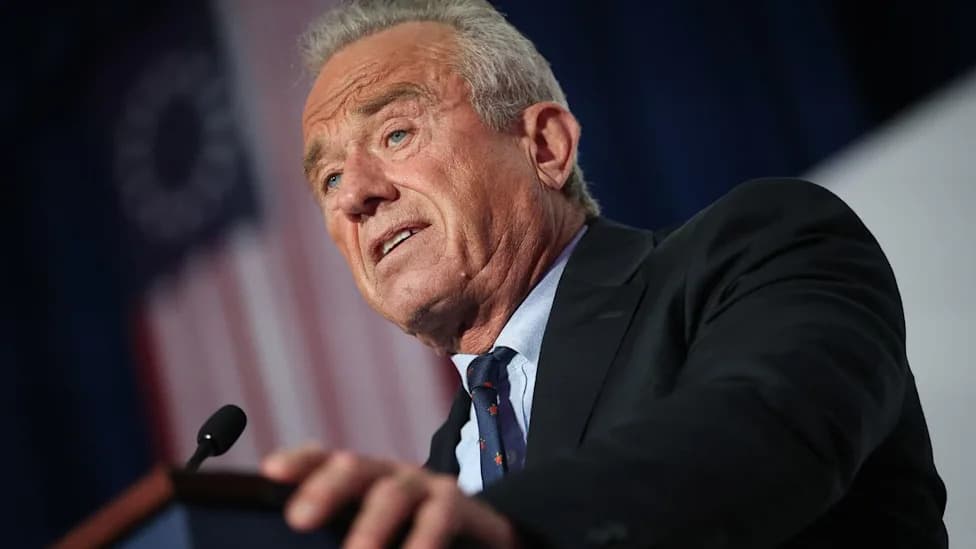
Schlossberg also used the essay to criticize certain health-policy decisions made by a family member, writing that those policies led to deep cuts in funding for some research programs and to cancelled grants and trials. She described a frightening postpartum complication in which she received misoprostol to stop bleeding and expressed concern that restrictions or reviews affecting that medication could have broader consequences for women's care.
Throughout the essay, Schlossberg returns to the central themes of memory, love and loss: the life she fears she will miss with her husband — whom she described affectionately as "kind, funny, handsome genius" — and the future her two young children may face without their mother.
"Mostly I try to live and be with them now," she wrote. "Sometimes I trick myself into thinking I'll remember this forever, I'll remember this when I'm dead."
Help us improve.