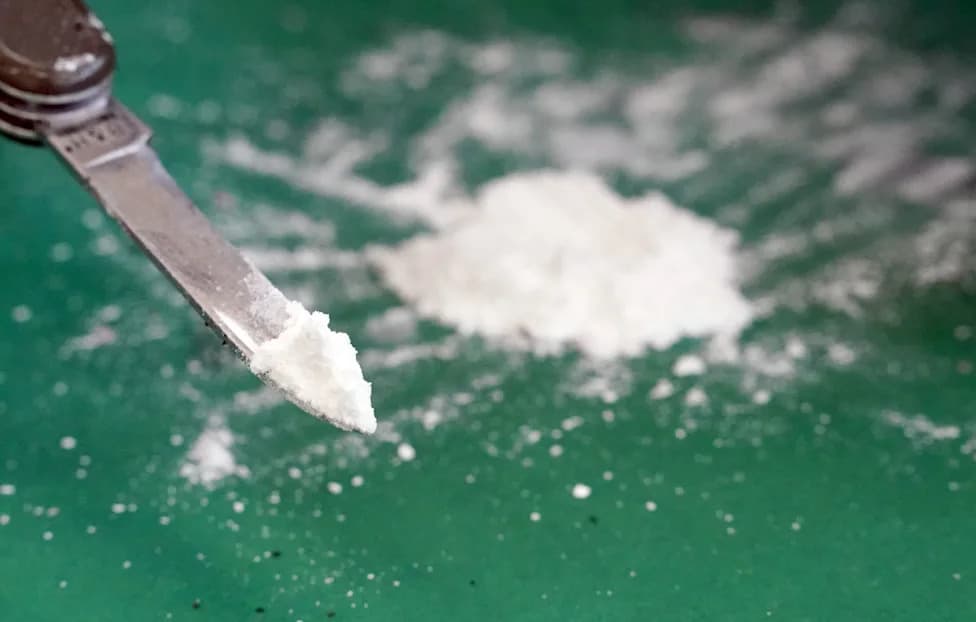
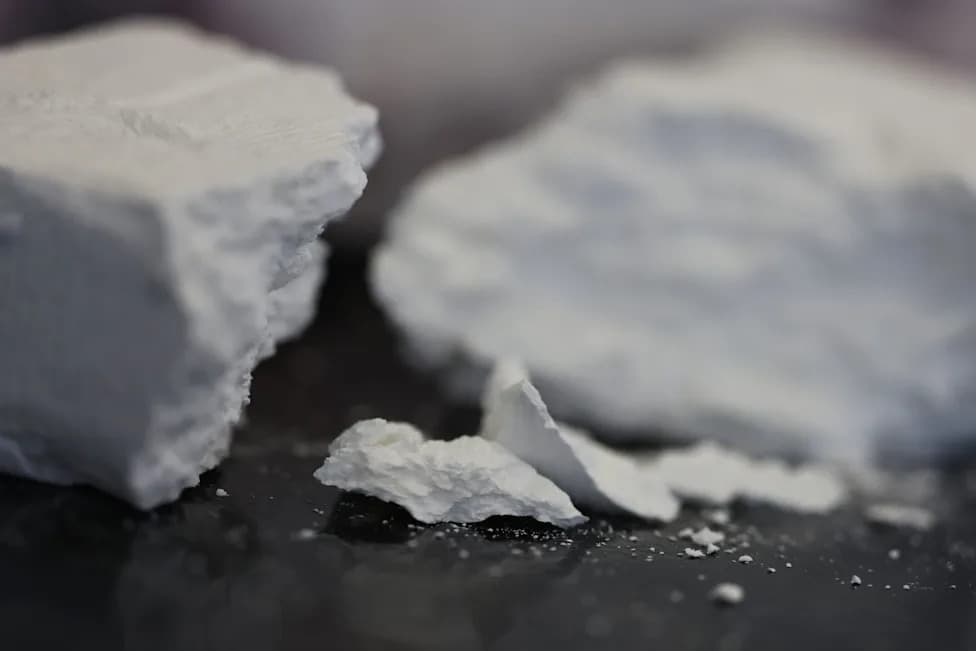
Colombian authorities announced their largest cocaine seizure in ten years after a canine team and investigators uncovered 14 tons of the drug at a warehouse in the Pacific port of Buenaventura. The haul was found hidden in dozens of 110-pound sacks and reportedly camouflaged by mixing the cocaine with plaster.
The Defense Ministry published video on X showing a sniffer dog signaling at the sacks and officers using electronic testing equipment to check the contents. Officials estimate the seizure prevented about 35 million doses from reaching the market, with an estimated street value exceeding $388 million.
President Gustavo Petro called the operation a "historic blow against drug trafficking," and emphasized it was executed "without a single death." The seizure comes amid escalating tensions between Bogotá and Washington: the U.S. government recently imposed financial sanctions on the Colombian administration and removed Colombia from a preferred list of partners in the international drug-fighting effort, citing insufficient progress on anti-drug measures.
Petro has publicly criticized recent U.S.-authorized strikes against vessels suspected of carrying drugs, calling them unlawful and warning that they risk harming innocent people. In a statement last October, he argued that targeting low-level operatives is ineffective and said authorities should focus on capturing the leaders who run trafficking networks.
U.S. law enforcement estimates that roughly 90% of the cocaine that reaches the United States originates in Colombia. United Nations data for 2023 indicate Colombia had approximately 625,000 acres under coca cultivation and produced an estimated 2,600 tons of cocaine that year.
Recent Related Operations
The Buenaventura seizure follows several recent Pacific operations by Colombian forces. Earlier this week, navy divers discovered more than 450 pounds of cocaine hidden beneath a vessel bound for Europe. Days before that, the navy reported confiscating more than seven tons of drugs from two speedboats and a semi-submersible "narco sub."
Authorities say these coordinated actions highlight increased enforcement activity along strategic Pacific routes, though officials caution that production and trafficking remain persistent challenges tied to complex domestic and international dynamics.