Summary: Illegal gold mining — 'narco‑mining' — is becoming a preferred vehicle for criminal networks in the Amazon because refined gold is difficult to trace and easy to launder. The pandemic, rising gold prices and weak state presence have accelerated both coca cultivation and illicit mining, empowering groups like Comando Vermelho and FARC dissidents. The link between drugs and mining is driving widespread deforestation, mercury contamination, violence and corruption across Peru, Ecuador, Brazil and Venezuela, and is complicating eradication and governance efforts.
How 'Narco‑Mining' Is Overtaking Cocaine: Gold Fuels Crime, Corruption and Deforestation Across the Amazon

Overview
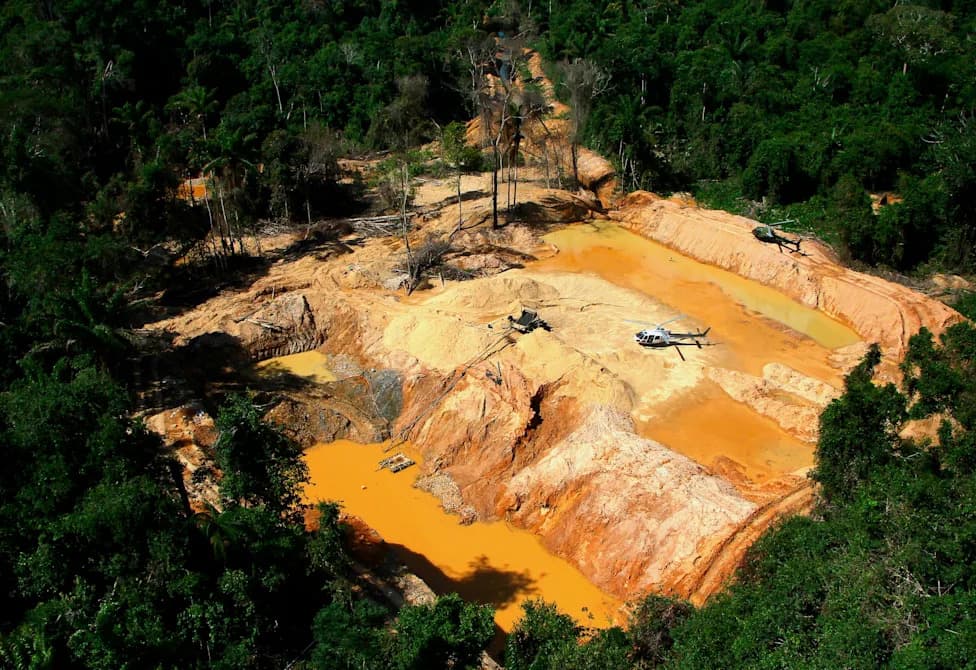
Illegal gold mining across Peru and the wider Amazon is rapidly eclipsing cocaine as the preferred asset for organized crime. Rising gold prices, the COVID-19 shock to livelihoods and weak state presence in remote forest zones have combined to create a powerful, highly profitable nexus between coca cultivation and illicit mining — often called 'narco‑mining'. That nexus is driving violence, environmental destruction and corruption from Peru to Ecuador, Brazil and Venezuela.
Why gold is more attractive to traffickers
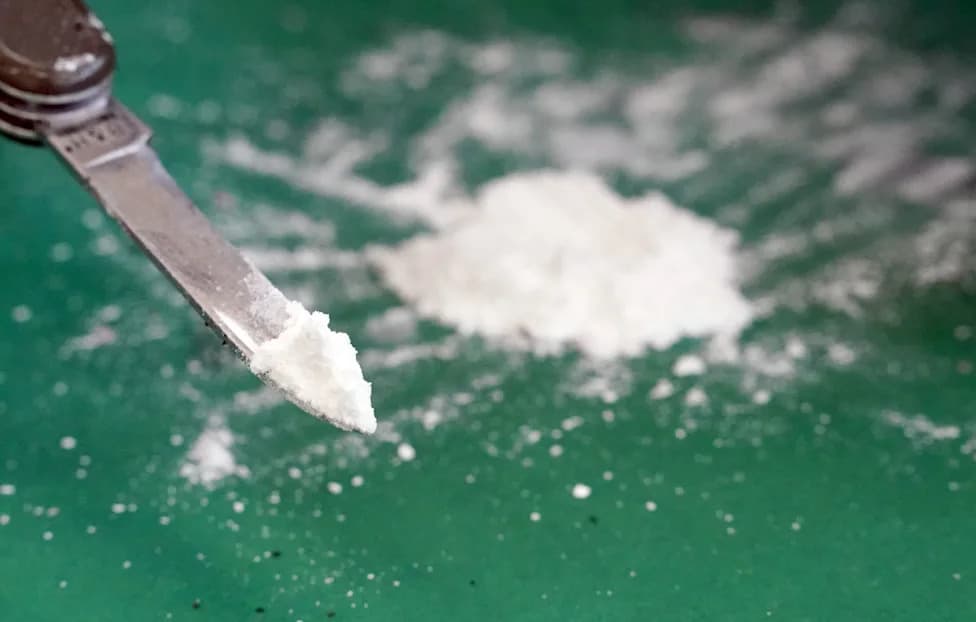
Unlike cocaine, which is illegal at every stage from cultivation to street sale, refined gold can be converted into a fungible commodity that is nearly impossible to trace to its origin. Criminal groups have discovered that investing drug proceeds in illegal gold extraction and refining allows them to launder profits and move value through established smuggling routes more safely.
As one reporter studying Amazon organized crime, Dan Collyns, observes: criminal networks 'are using the same logistics, routes and supplies — diesel, precursor chemicals and airstrips — to extract whatever resources they can: gold, coca, timber.'
How the pandemic accelerated the trend
Lockdowns during the COVID-19 pandemic reduced law‑enforcement presence in remote regions while pushing millions of informal workers into desperate economic choices. That created fertile ground for criminal groups to expand coca planting and illegal mining, consolidate territorial control and build clandestine infrastructure such as jungle airstrips.
Geography of the problem
Peru has experienced a notable surge in cocaine production — the U.S. State Department estimates more than 800 tonnes produced in the last reported year — but the illegal gold economy has grown in parallel. In some public statements Peruvian officials have estimated illegal gold activity to be several times larger than the cocaine trade.
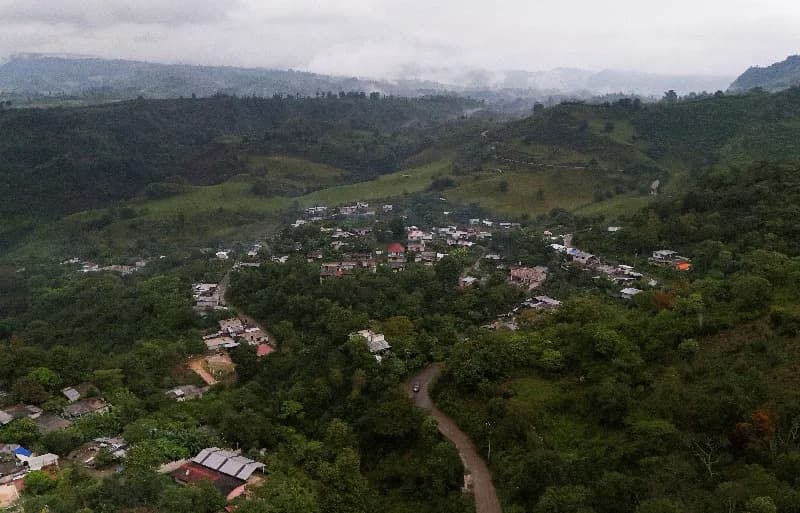
Regions such as Ucayali and Madre de Dios show sharp increases in coca planting, clandestine airstrips and mining camps. Investigations have documented scores of makeshift airstrips and vast swathes of rainforest cleared for mining and crop production.
Who controls the activity
Various criminal actors operate the expanding narco‑mining network. Dissident factions of Colombia's FARC, Brazilian groups such as Comando Vermelho (Red Command), Colombian gangs and local Peruvian criminal organizations all play roles — sometimes cooperating, sometimes competing. Investigative journalist Pamela Huerta and other analysts report that these groups increasingly control both coca fields and mining operations, enforcing protection rackets and using violent methods to silence opponents.
Across borders, Venezuelan criminal enterprises and corrupt officials have also been implicated: international think tanks report 'unchecked illegal mining' in southern Venezuela, with some armed forces members accused of taking control of pits for personal enrichment. These networks have expanded activity into neighboring countries, including Guyana and Ecuador.
Human and environmental costs
Illegal mining and coca expansion are producing severe environmental and social harms: deforestation, mercury and chemical contamination of rivers, loss of biodiversity and disruption of Indigenous and traditional communities. Reporters and researchers warn these damages may be irreversible in many areas.
Violence has surged alongside the illicit economy. Local groups such as Guardianes de la Trocha in parts of Peru have been linked to massacres, protection rackets and mass graves. With vast, unpoliced forest tracts, prosecutions and eradication efforts are often sporadic and uneven.
State response and political implications
Governments have conducted eradication and interdiction campaigns — Peru reported removing roughly 27,000 hectares of coca in a recent nine‑month period — but those actions sometimes push cultivation into ever more remote forest, worsening deforestation. Political instability, frequent turnover in security leadership and corruption within institutions complicate a sustained response. Analysts warn that illicit proceeds are penetrating political systems ahead of elections, undermining governance.
What needs to change
Experts highlight several priorities: strengthen rule of law in remote areas, disrupt financial channels that launder drug proceeds through gold, strengthen environmental protection and provide sustainable economic alternatives for vulnerable communities. International coordination across source, transit and destination countries is also critical to reduce demand and close smuggling routes.
'Criminal organisations have found that illegal gold mining is a safer and more lucrative asset in which they can invest money from drug trafficking, and, in turn, launder assets more easily,' said researcher Dan Collyns.
Sources cited in reporting and analysis include: Dan Collyns (investigative reporter), Ricardo Soberón (former director of Peru's anti‑drug agency), Pamela Huerta (Amazon‑focused investigative journalist) and analyses by international research groups.
Help us improve.