Jay Clayton, Manhattan’s U.S. attorney, has been asked to review Jeffrey Epstein’s ties to prominent Democrats at President Trump’s request. The move raises questions about conflicts of interest (Clayton previously represented Reid Hoffman), staffing after the July firing of Maurene Comey, and whether DOJ will withhold documents by citing an active investigation. Legal experts say Clayton’s choices on recusal, assignment and disclosure will be a critical test of the office’s independence.
Clayton’s Crucible: Manhattan Prosecutor Faces Political Epstein Probe as Document Release Looms
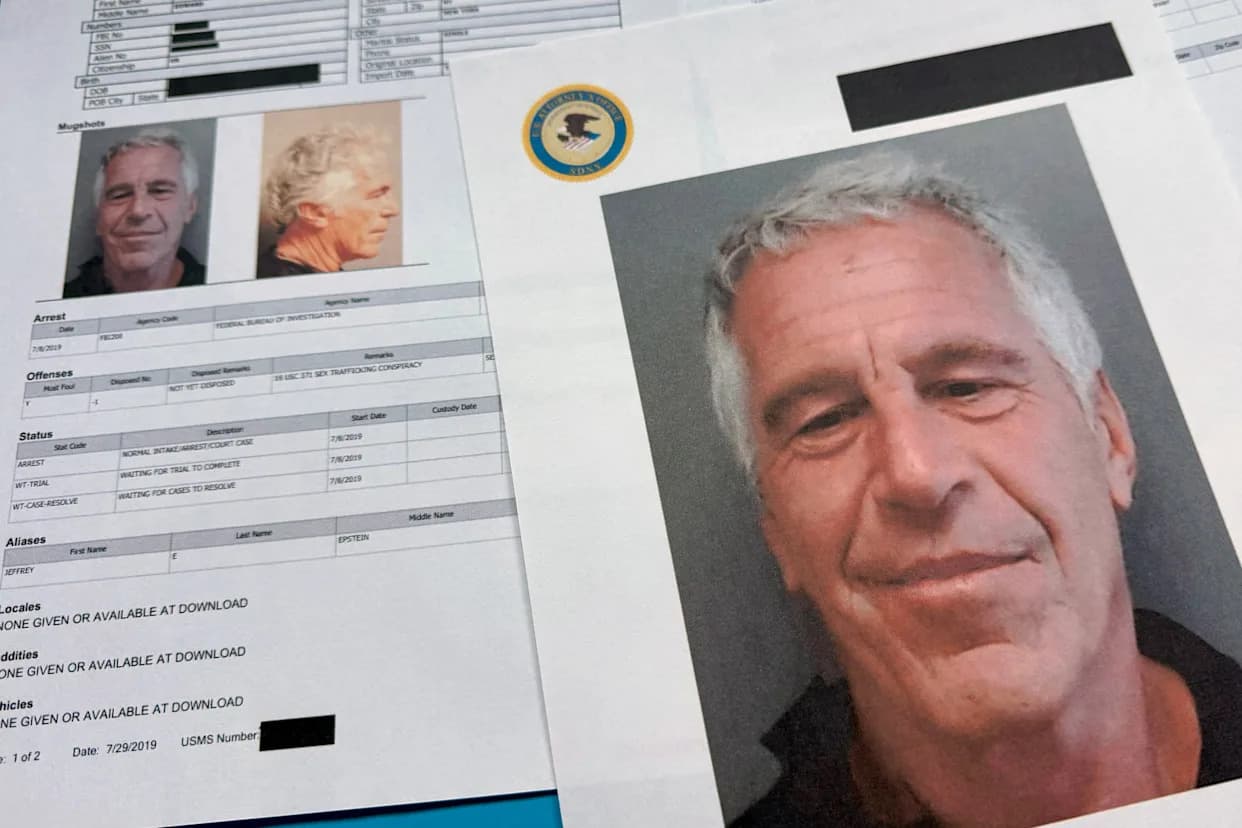
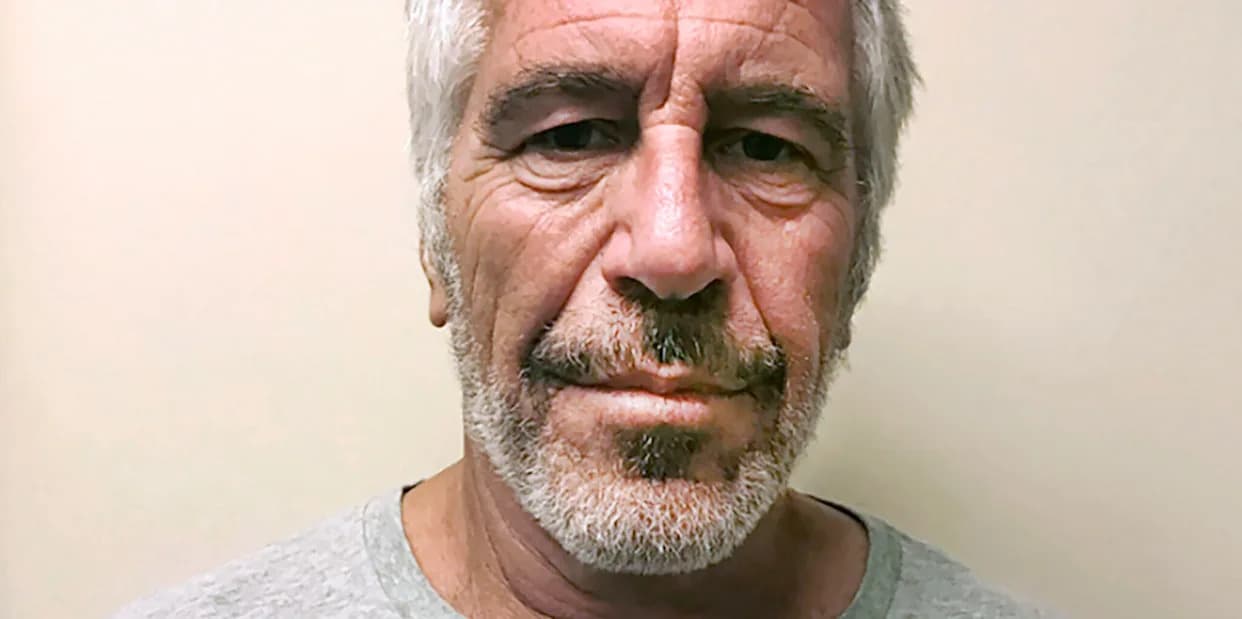
Jay Clayton, the Manhattan U.S. attorney, has been ordered to review Jeffrey Epstein’s ties to prominent Democrats after Attorney General Pam Bondi said she was acting on a request from President Donald Trump. The directive has unsettled the Southern District of New York, an office long known for guarding its independence from political influence.
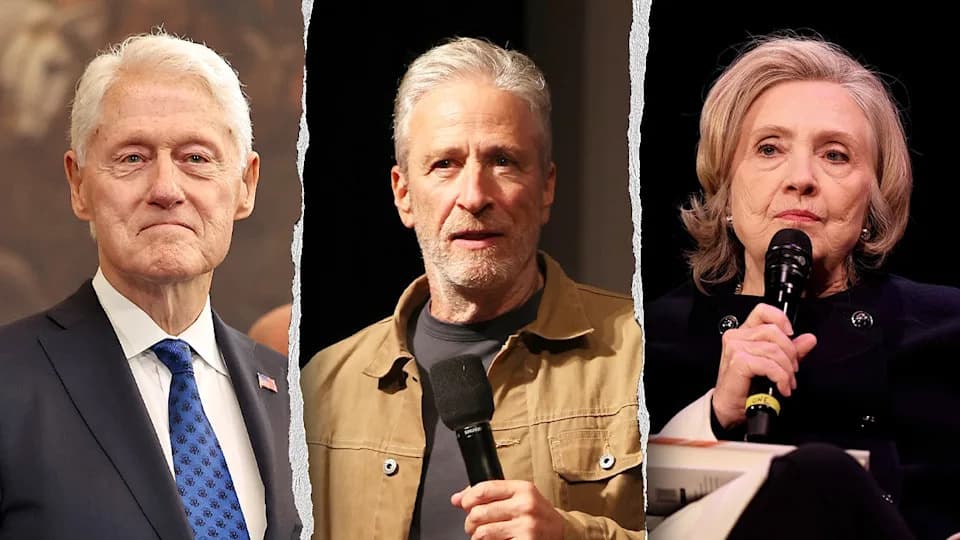
Clayton, who had not served as a prosecutor before his April appointment, now confronts several fraught decisions: whether to recuse himself because he previously represented at least one person named for review (LinkedIn co‑founder Reid Hoffman); whom to assign to the inquiry after the abrupt July departure of Maurene Comey, a lead prosecutor on Epstein-related matters; and how to handle any evidence that might implicate Republicans.
Documents and disclosure
The Justice Department is preparing to release tens of thousands of documents from the Epstein investigation under a law President Trump recently signed. That statute allows DOJ to withhold material that "would jeopardize an active federal investigation or ongoing prosecution" so long as any withholding is narrowly tailored and temporary. Critics worry the administration could use that exception to shield politically sensitive material from public view.
Internal unease and outside scrutiny
Inside the U.S. attorney’s office, employees described a mixture of bewilderment and unease about the politically charged assignment. Career prosecutors are watching closely to see whether Clayton can preserve the office’s traditions of impartiality and independence.
"The question is how faithfully he plans to interpret his marching orders," said Rebecca Roiphe, a former prosecutor and ethics professor at New York Law School. "He's in an unenviable position — trying to preserve traditional prosecutorial norms while facing external pressure."
Legal experts and former prosecutors are divided. Some argue a targeted review by the same office that previously investigated Epstein makes sense to determine whether new leads exist. Arlo Devlin‑Brown, formerly chief of the public corruption unit in Manhattan, said a limited reexamination could reassure the public that every avenue has been pursued.
Others see the move as politically fraught and potentially a pretext to justify redactions or broad withholding of the files. Preet Bharara, a former Manhattan U.S. attorney and frequent critic of the current administration, said DOJ’s arguments for nondisclosure would carry weight only if the department’s motives were credible.
Conflicts of interest and staffing
Clayton’s potential conflict of interest — notably his prior representation of Reid Hoffman — raises questions about whether he should recuse himself from oversight of the review. It is also unclear which line prosecutors will be assigned to conduct the inquiry and how the office will balance the political sensitivity of the task with core prosecutorial obligations to follow the facts wherever they lead.
Mimi Rocah, a former federal prosecutor who criticized Clayton’s handling of Comey’s dismissal, called the assignment "a crucial test" for the Southern District of New York and warned against using prosecutors as "political pawns."
For now, the office has declined to comment publicly. The decisions Clayton makes about recusal, staffing and the scope of any review will shape whether the inquiry is viewed as a legitimate search for facts or as a politically motivated maneuver to limit public disclosure.
What’s at stake: The process will test the office’s ability to remain independent under political pressure and may determine how much of the Epstein investigative record is ultimately disclosed to the public.
Help us improve.