Key point: China’s intelligence efforts to acquire U.S. military technology are central to deliberations over a potential F-35 sale to Saudi Arabia. Retired Gen. Charles Wald and others cite past U.S. denials to the UAE and Turkey over similar concerns. Experts warn Beijing could exploit sensitive systems even without direct transfer, while U.S. safeguards such as end-use monitoring reduce but do not eliminate risk. Officials note a likely multi-year timeline and argue additional regional F-35s could enhance coalition awareness without necessarily eroding Israel’s qualitative edge.
Ex-General: China Could Exploit F-35 Technology via Intelligence, But Saudi Leak Risk Seen as Low

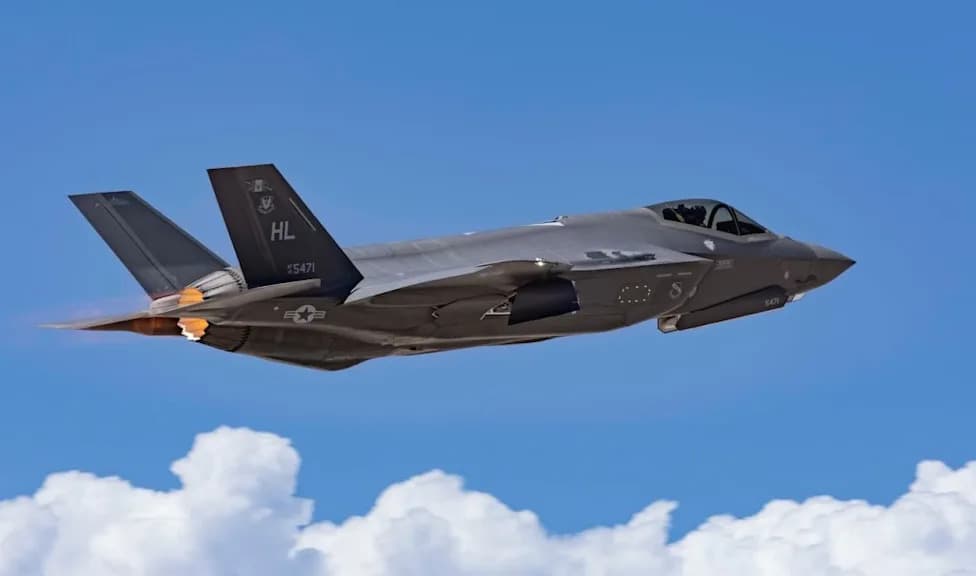
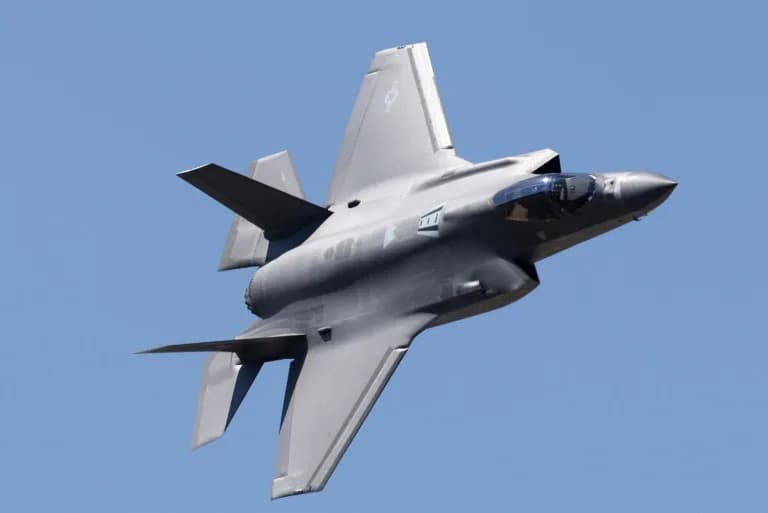
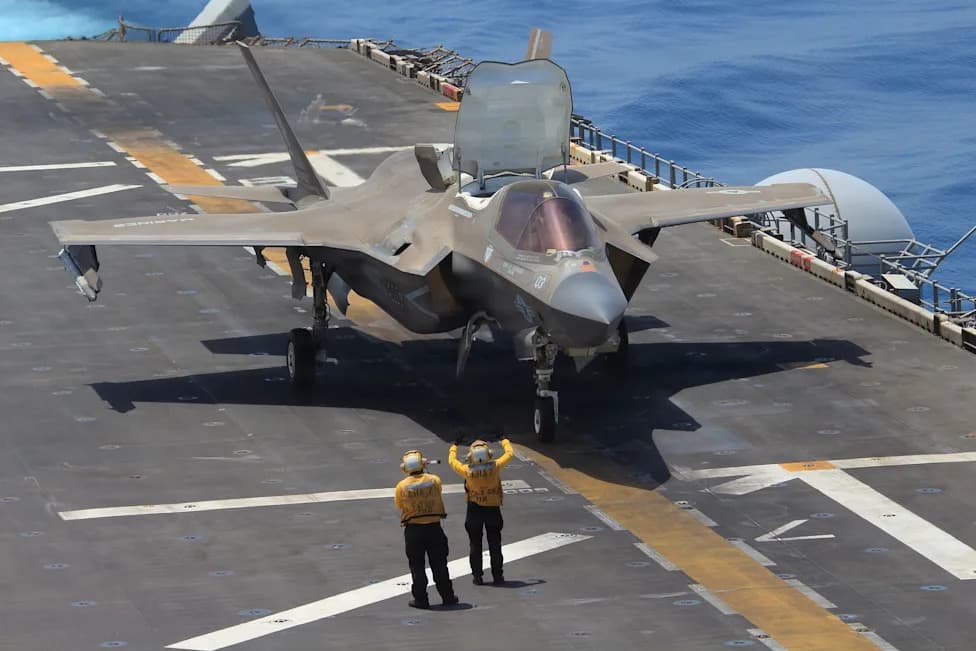
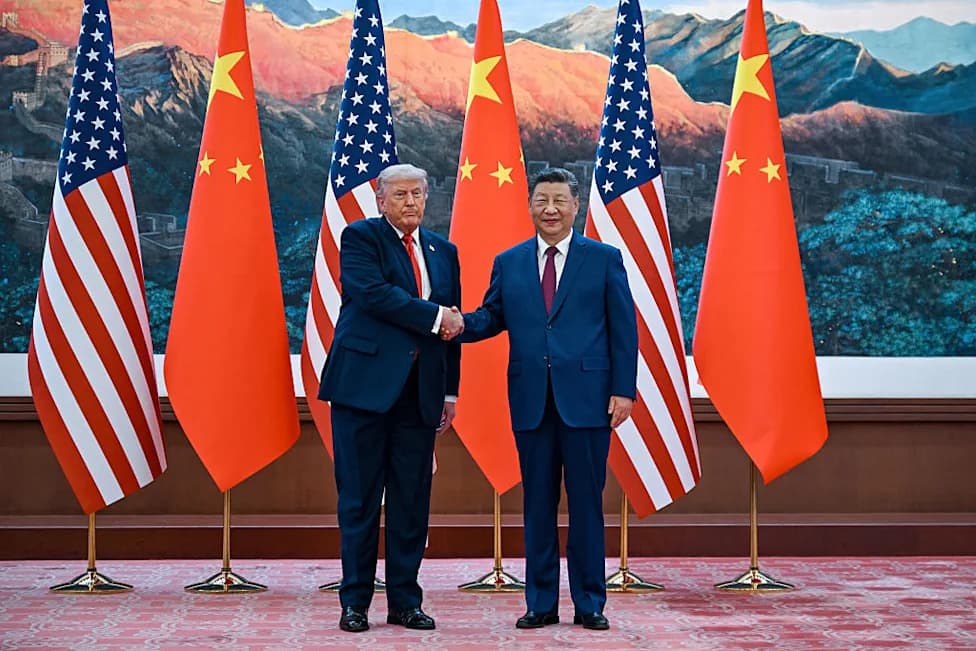
China’s sustained efforts to acquire advanced U.S. military technology have become a central concern as Washington considers a potential sale of F-35 fighters to Saudi Arabia. Retired senior commanders and analysts say Beijing’s intelligence operations increase the risk that sensitive capabilities could be exploited, even if a partner nation does not intentionally transfer hardware.
Past Denials and Present Concerns
Retired Gen. Charles Wald, a former U.S. Air Force officer and ex-deputy commander of U.S. European Command, noted that the United States has previously rejected requests from the United Arab Emirates and Turkey over worries about possible transfer or exploitation of advanced technology.
"We told Turkey they’re not going to get the F-35. We told the UAE they’re not going to get it because there’s concern that there could be a transfer of technology to China," Wald said at a recent JINSA briefing. "That would probably be the biggest issue with Saudi Arabia getting the F-35 … Not because they would give it to the Chinese. Because the Chinese could exploit through intel, getting capability off that, but I’m not as worried as some."
Experts Warn of Chinese Espionage
China specialist Gordon Chang warned that Beijing has demonstrated the ability to penetrate U.S. defense programs and is likely to target the F-35 again. He urged policymakers to weigh those risks against strategic benefits of closer ties with Riyadh and suggested offering a more limited configuration if a sale proceeds.
"We should assume China has everything already. They already stole the whole plane once. They probably did it again," Chang said, adding: "Let him have stripped-down F-35s."
Chang also voiced concern about other partners, saying he was especially worried about technology exposure through other countries rather than Saudi Arabia specifically.
Safeguards and Limits
Retired Lt. Gen. Robert Ashley, formerly director of the Defense Intelligence Agency, said U.S. foreign military sales include end-use monitoring and other protocols designed to reduce risk, but he cautioned these measures are not foolproof.
"One of the things that we do through foreign military sales is end-use case monitoring protocol," Ashley said. "We watch very closely how these kinds of advanced systems are used … but they’re not absolute."
Regional Balance and Timeline
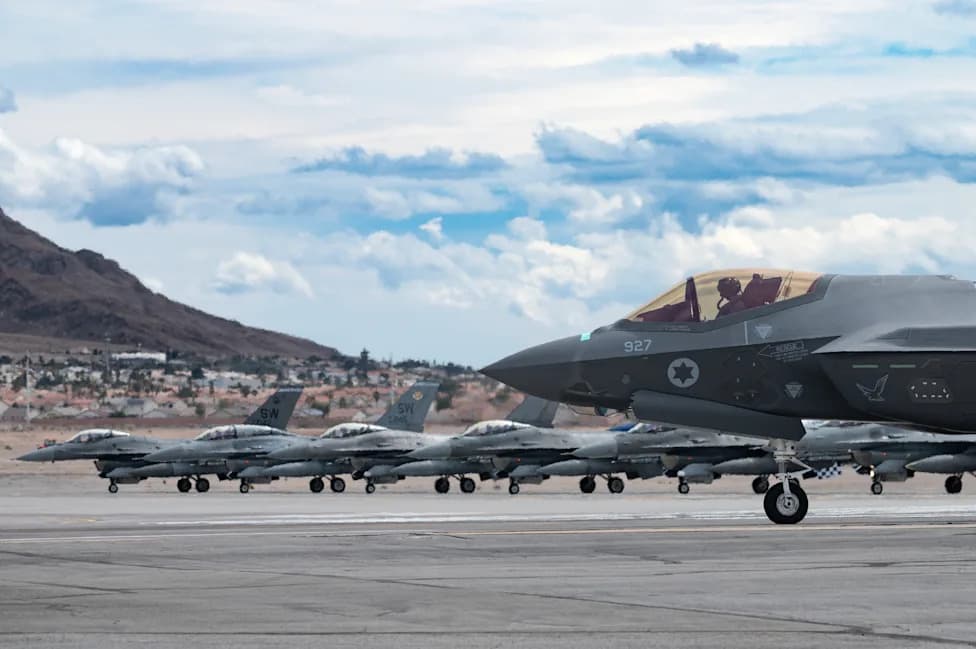
The retired officers argued that a Saudi acquisition would not necessarily erode Israel’s qualitative military edge. Wald pointed to Israel’s high levels of pilot training, innovation, and its history of integrating bespoke upgrades into its F-35 fleet.
Wald also noted any approved sale would likely take years to materialize, offering time to manage risk. "At the very least, there’s probably about a five-year window here before that would happen if they got the F-35," he said.
Potential Benefits for Coalition Defense
Beyond risks, retired Vice Adm. Mark Fox and others argued that more F-35s in the region could strengthen shared situational awareness and collective defense against threats such as Iran. Fox highlighted the jet’s networked architecture: "The one thing about F-35 is it talks to every other F-35. Having more F-35s in the region actually increases the capability of the coalition."
U.S. officials will need to weigh espionage risks, technical safeguards, strategic alliances, and regional security benefits as they consider whether to approve a sale. The debate underscores broader concerns about protecting advanced defense technologies in an era of persistent intelligence threats.
Help us improve.