The UK has added a new layer of maritime defence after German firm Helsing opened a Plymouth factory to build SG-1 AI-powered sea gliders. These autonomous drones can patrol subsurface waters for up to three months to detect and track vessels suspected of preparing to cut undersea cables. Helsing says the gliders are a cost-effective way to close gaps in NATO's underwater surveillance, and the factory reflects deepening post-Brexit defence cooperation between the UK and Germany.
Germany's SG-1 Sea Drones: A New Layer of UK Defence Against Undersea Sabotage

A suspected Russian espionage vessel operating off Scotland has sharpened concerns about attacks on the UK’s maritime infrastructure. The mothership Yantar, reported to carry small submarines that can map and potentially sever undersea cables, was also accused of briefly dazzling RAF pilots with lasers while in UK waters.
What the new drones do
In response, German defence firm Helsing has opened its first UK factory in Plymouth to build the SG-1 glider, an AI-powered unmanned underwater vehicle designed to patrol subsurface waters for extended periods. John Healey, the UK Defence Secretary, said the gliders will play a 'big part' in defending the country when he opened the plant.
The SG-1 gliders can operate autonomously for up to three months, using onboard artificial intelligence to map and monitor activity beneath the waves without a constant human operator. Helsing co-founder Dr Gundbert Scherf, a former special adviser to the German defence ministry, said the gliders are cheaper than manned submarines and can help detect and track vessels suspected of preparing to cut undersea cables.
Why this matters
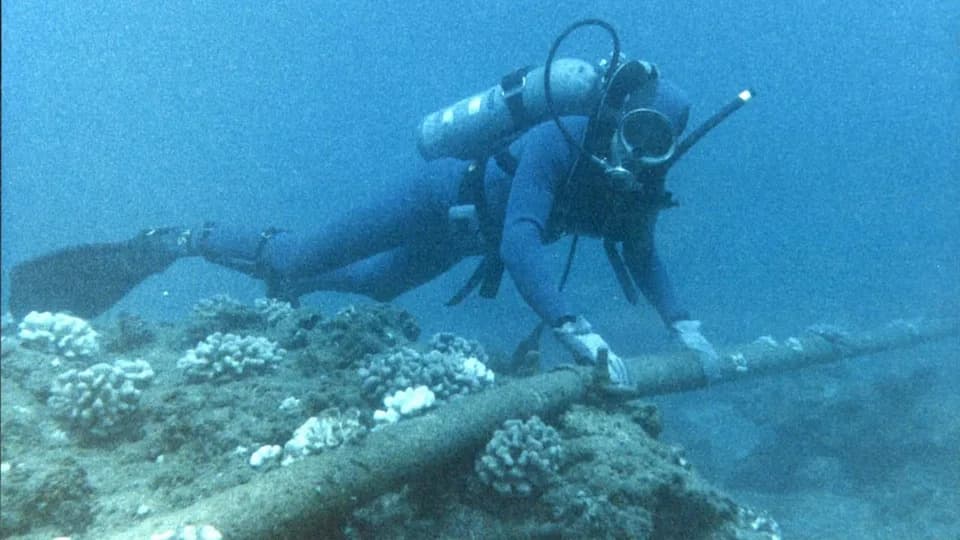
Undersea cables carry a large share of global data and are critical to national security, commerce and communications. Dr Scherf described subsurface awareness as a key blind spot for NATO navies and said Helsing aims to 'close the gap' between cheap, mass-produced sea drones and the more limited capabilities currently fielded by Western allies.
Helsing plans to deploy SG-1 gliders to protect stretches of the North Sea, Baltic approaches and Arctic waters where Russian spy ships have increasingly operated. The company highlights that autonomous sea drones can scale surveillance at much lower cost than conventional platforms.
Company background and context
Founded in 2021, Helsing's leadership combines defence and civilian tech experience. Dr Scherf is backed by co-founders Torsten Reil, an Oxford-educated former video-game developer, and Niklas Köhler, the team's AI specialist who helped train the gliders to operate in communications-poor underwater environments.
Helsing credits a post-Brexit security agreement between London and Berlin for enabling the factory in Plymouth, a city chosen for its historic shipbuilding links and proximity to critical sea lanes. UK and German officials have emphasised closer defence cooperation in recent years as threats to maritime infrastructure have risen.
Broader security picture
Since Russia's invasion of Ukraine, Western officials say Moscow has been suspected of a series of sabotage incidents across Europe, including attacks on undersea cables and munitions factories. At the same time, Russia has mass-produced Shahed strike drones, reported to cost as little as around £15,000 each, and some outlets have suggested seaborne variants are under development—raising new maritime risks for NATO.
Dr Scherf warned that as warfare evolves, Western militaries must pivot faster toward autonomous systems and subsurface surveillance. The SG-1 programme is presented by its founders and UK officials as a tangible example of Anglo-German industrial and security cooperation aimed at protecting critical maritime infrastructure.
There is also a historical resonance to the Plymouth site: the city was heavily bombed during the Second World War, and today a German-founded company is building technology there to help safeguard Britain from modern maritime threats.
Help us improve.