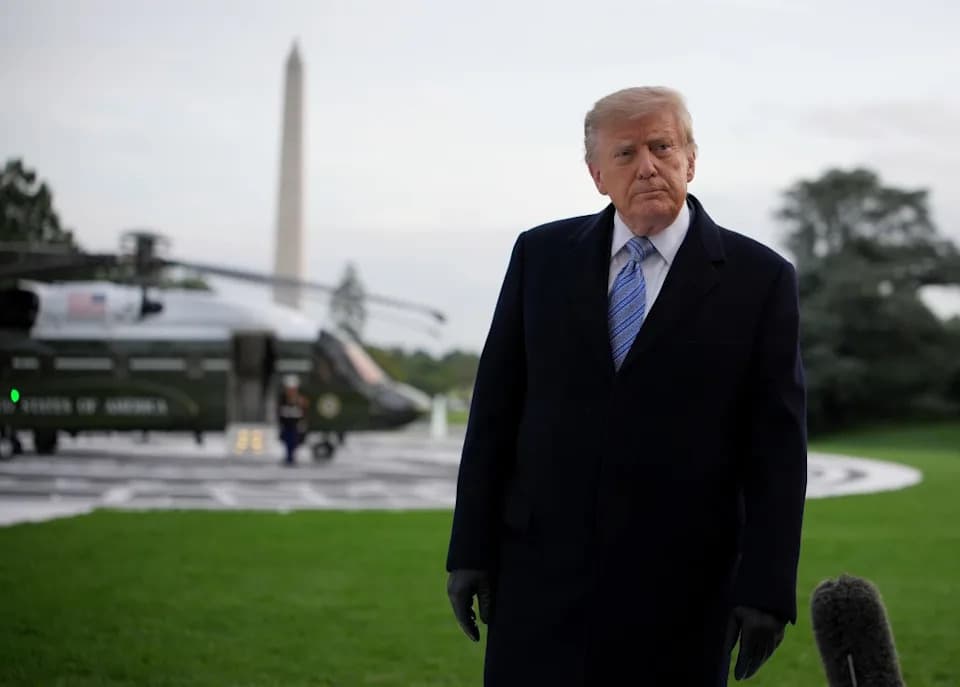
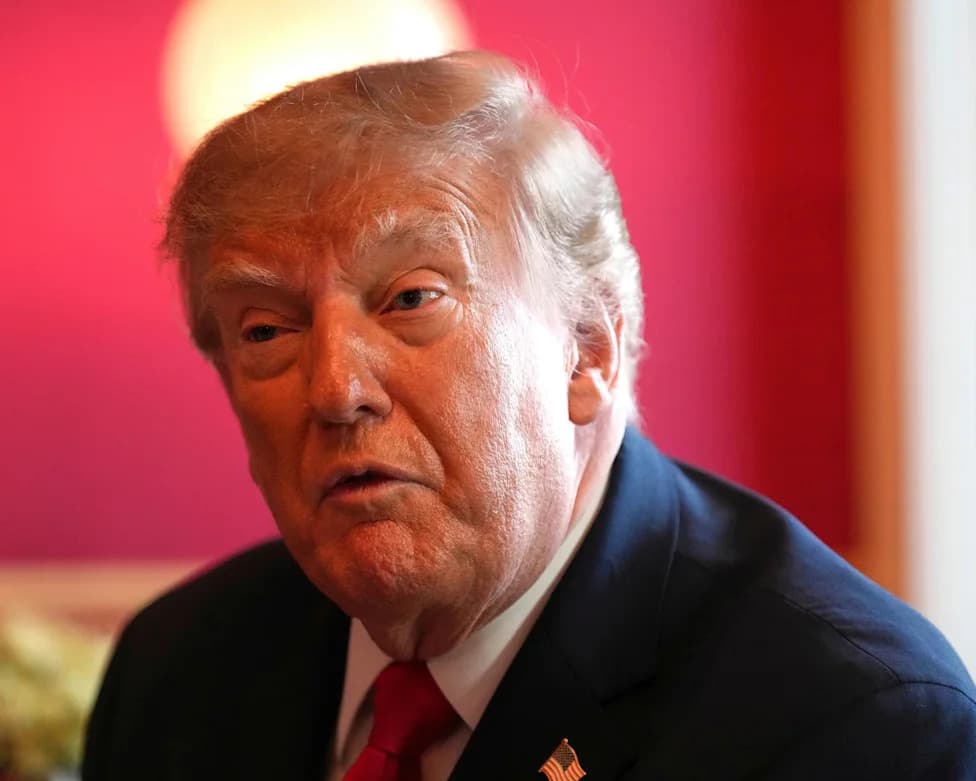
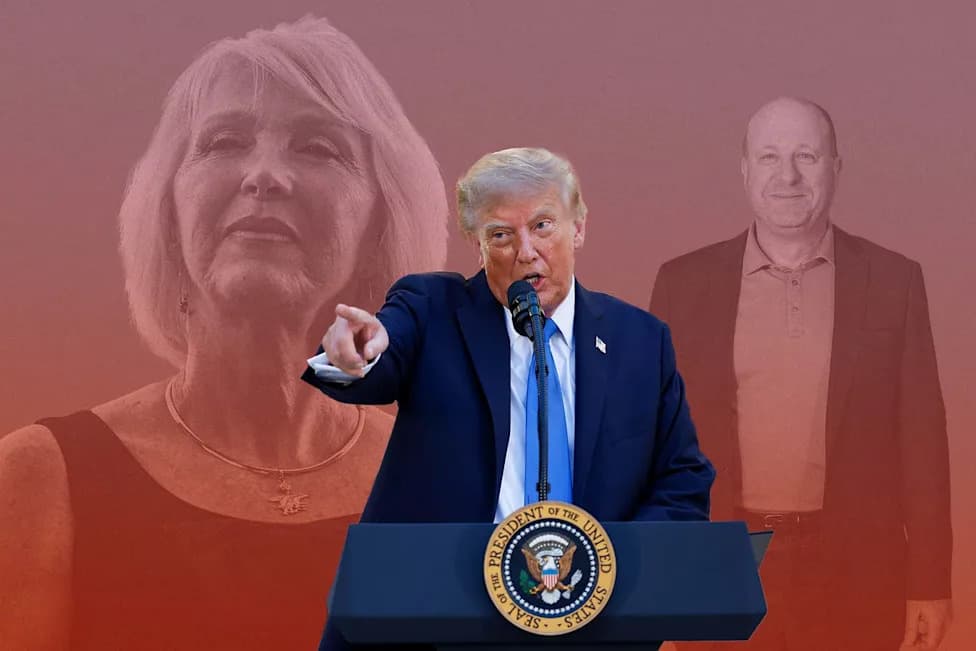
The White House has taken several controversial steps critics say undermine Congress's constitutional control over federal spending: invoking a pocket rescission to cut nearly $1 billion, redirecting tens of millions in military aid to Latin America despite congressional holds, and the NSF withholding about $1.4 billion intended for research. Lawmakers and commentators warn these moves could concentrate budget power in the executive branch and erode separation of powers, while the administration defends its authority and cites shifting priorities. Courts, congressional oversight, and upcoming elections could determine whether these actions become precedent.
White House Expands Control Over Federal Spending, Raising Separation-of-Powers Concerns
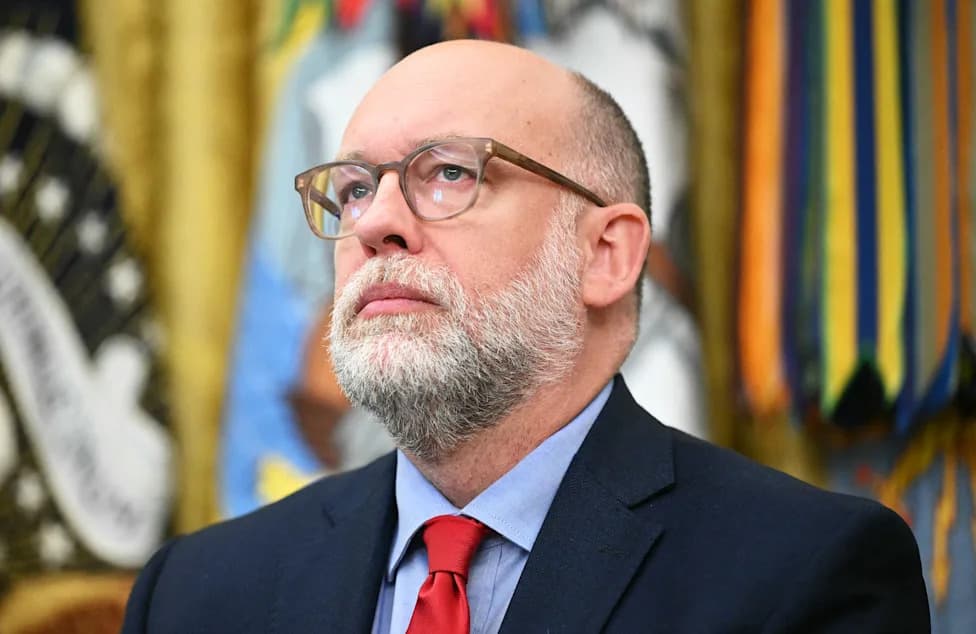
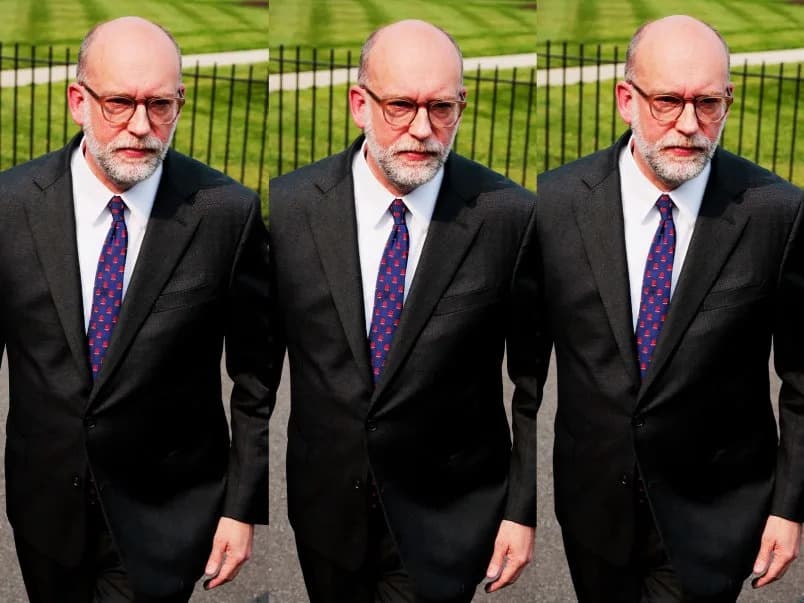
Russell Vought looks on as President Donald Trump signs an executive order on June 22, 2026 in the Oval Office of the White House.
Throughout American history, the Constitution has given Congress the primary authority over federal spending, commonly called the "power of the purse." That design reflects a core check on executive power: lawmakers decide how public money is allocated and spent.
In recent weeks, critics argue, the White House has taken a series of steps that concentrate budgetary control in the executive branch. The administration says its moves are lawful and necessary; opponents say they undercut Congress and threaten the separation of powers. The following actions, reported by multiple outlets, illustrate the dispute.
Key Actions Cited by Critics
Pocket Rescission to Cut Nearly $1 Billion. On Sept. 25, the administration announced a unilateral reduction of roughly $1 billion in domestic programs by invoking a so-called "pocket rescission." The Government Accountability Office (GAO) later reaffirmed its view that this maneuver is unlawful, but the White House indicated it would proceed.
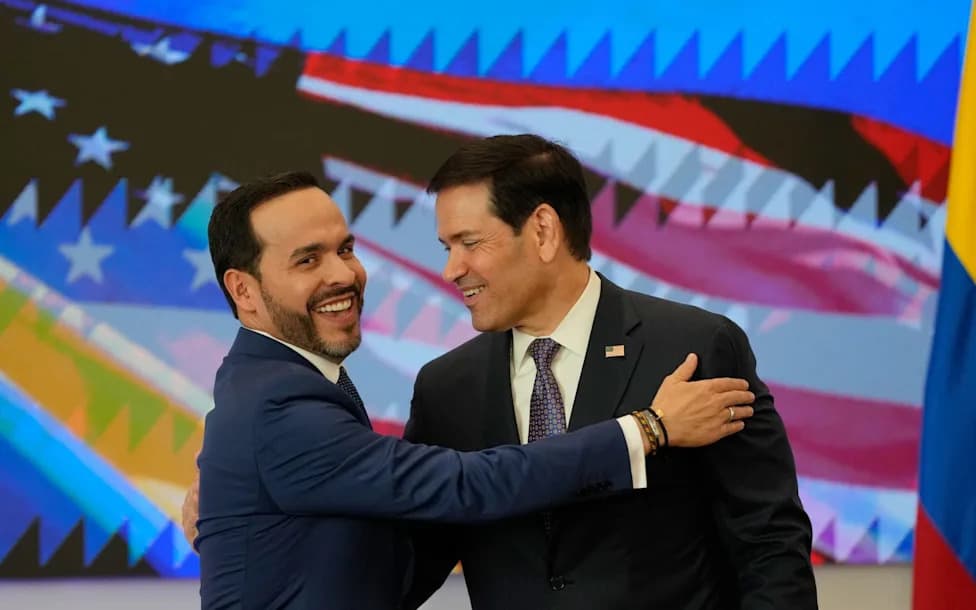
Redirection of Military Assistance. Around Sept. 30, the administration redirected tens of millions of dollars in U.S. military assistance from some European and Middle Eastern partners to governments in Latin America. Lawmakers on relevant House and Senate committees placed holds on the transfer, and senior Democrats wrote to the State Department asserting the diversion violated statutory limits. The administration moved forward despite those objections.
NSF Withholding of Research Funds. On Oct. 2, reporting indicated that the National Science Foundation withheld about $1.4 billion in funds that Congress had intended for research over the prior year. Critics say the delay and withholding effectively bypass congressional intent and constrain independent research activities funded by NSF.
What Critics and Defenders Say
Commentators and Democratic lawmakers warn these steps amount to an executive power grab that subverts the constitutional allocation of fiscal authority. As columnist Jamelle Bouie observed, concentrated control of spending would let a president block programs or neutralize agencies by refusing to expend appropriated funds.
"The money should be granted as Congress intended," said Rep. Zoe Lofgren, the ranking Democrat on the House Science, Space and Technology Committee, summarizing the concerns of many lawmakers.
The administration and its supporters counter that the executive has discretion to manage and reprogram funds within legal bounds and that some actions respond to shifting policy priorities and oversight findings. Where the legal line lies is already the subject of litigation and interbranch dispute.
Institutional Response and Political Stakes
So far, courts and watchdogs have pushed back in some instances, but the Republican-led Congress at the time largely refrained from aggressive institutional measures to reassert control. Observers note the political context matters: if control of one or both chambers shifts after upcoming elections, a newly empowered Congress may act more forcefully to reclaim its appropriation powers.
Whether these episodes become lasting precedents or are restrained by courts, legislation, or political change will influence the balance between Congress and the presidency over the use of federal funds.
Originally published on MS NOW. This version clarifies an earlier misstatement about the recipient of congressional correspondence and focuses on verified actions and debates reported by major outlets.
Help us improve.