The Trump administration has notified Congress it will reallocate over $52 million of military assistance originally tied to the Ukraine conflict and some Middle East aid to Panama, Peru, Ecuador and Colombia. Senators Jeanne Shaheen and Representative Gregory Meeks placed a hold, arguing the move violates congressional intent for funds earmarked to support Slovakia and North Macedonia. The State Department says the shift aligns with the administration's National Security Strategy and will be used to combat narco-terrorism and strengthen regional partnerships. Critics say the administration has not adequately explained how the diversion meets legal standards for Ukraine-related assistance.
US Moves to Reallocate $52M in Ukraine-Linked Aid to Latin American Governments
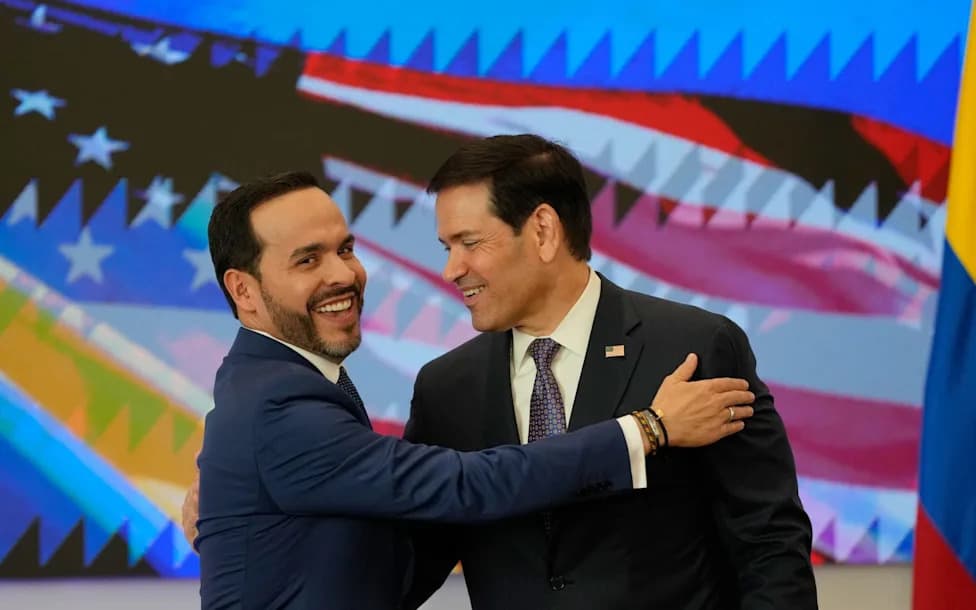
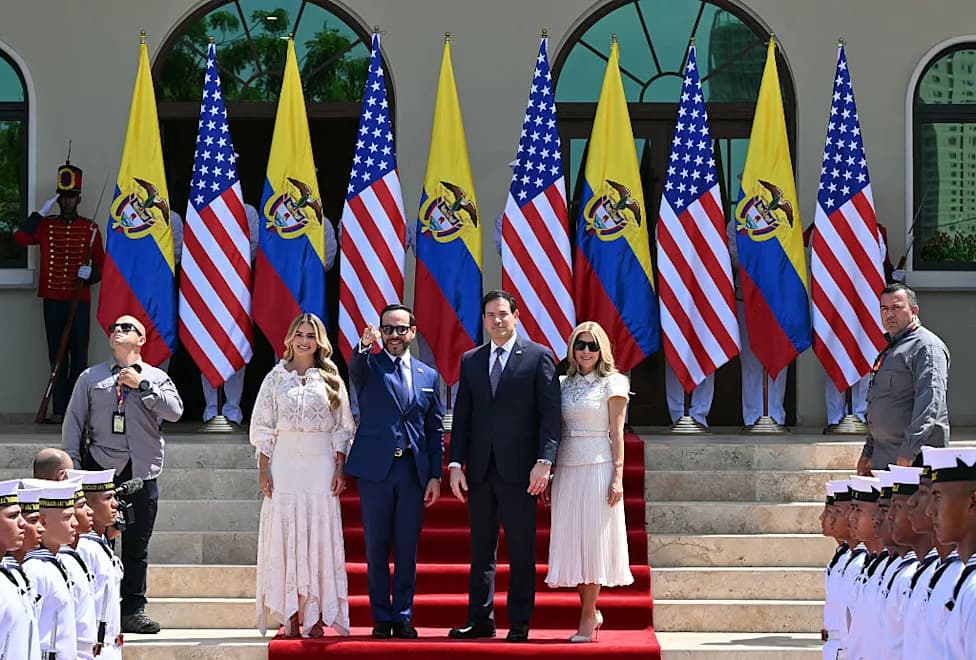
Colombia's Abelardo de la Espriella promised to kill 10 cartel leaders within his first three months in office - Fernando Vergara/AP
Senior Trump administration officials have notified Congress of plans to redirect more than $52 million in military assistance originally tied to the Ukraine war and some Middle Eastern aid to governments in Panama, Peru, Ecuador and Colombia, according to reporting by The Washington Post and other outlets.
In September the State Department informed lawmakers of its intent to reprogram the funds, part of a supplemental package that had included assistance for European partners such as Slovakia and North Macedonia. Two Democratic members of Congress — Senator Jeanne Shaheen (D–NH) and Representative Gregory Meeks (D–NY) — placed a hold on the transfer, arguing the reallocation would violate the congressional intent behind the original appropriation.
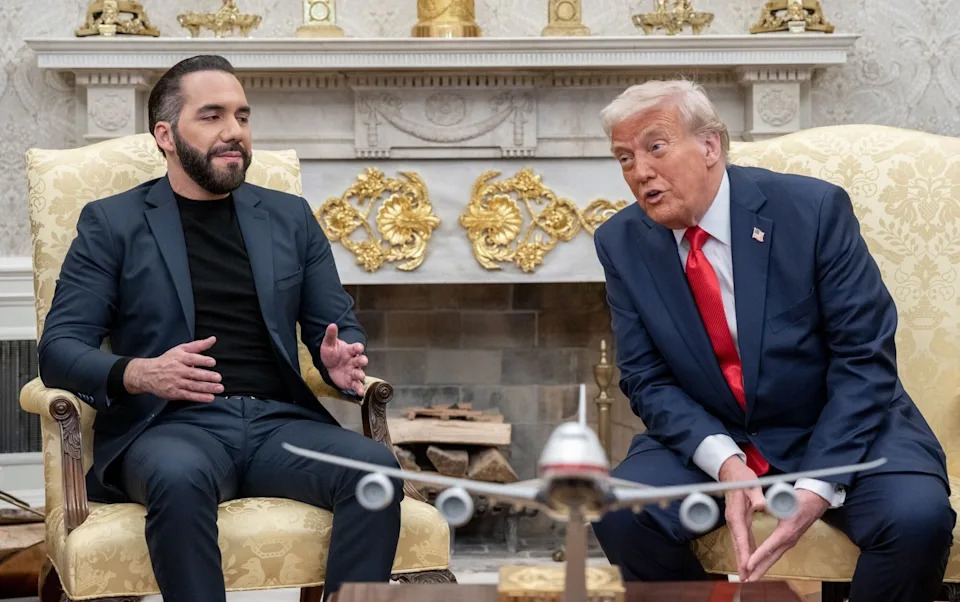
Donald Trump has lavished praise on strongmen such as Nayib Bukele, the leader of El Salvador - Ken Cedeno/UPI/Bloomberg
Three administration officials told The Washington Post that the White House has since informed Congress it will move forward despite that hold.
Administration Rationale
The State Department defended the decision in a statement, saying the reprogramming is "consistent with the National Security Strategy." Officials said the funds would be used in the Western Hemisphere to strengthen security partnerships, counter the influence of foreign adversaries, combat narco-terrorism and help secure critical infrastructure such as the Panama Canal.
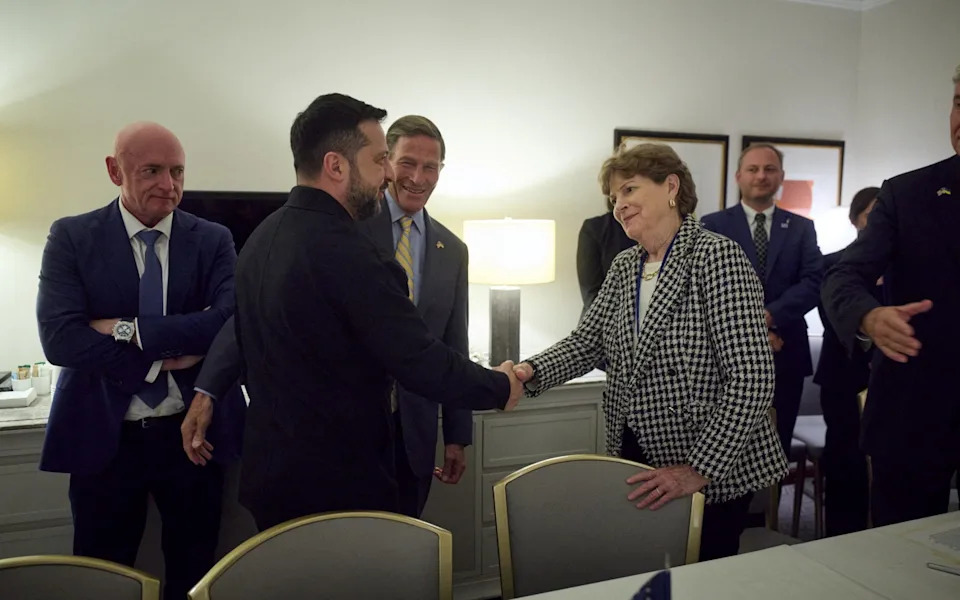
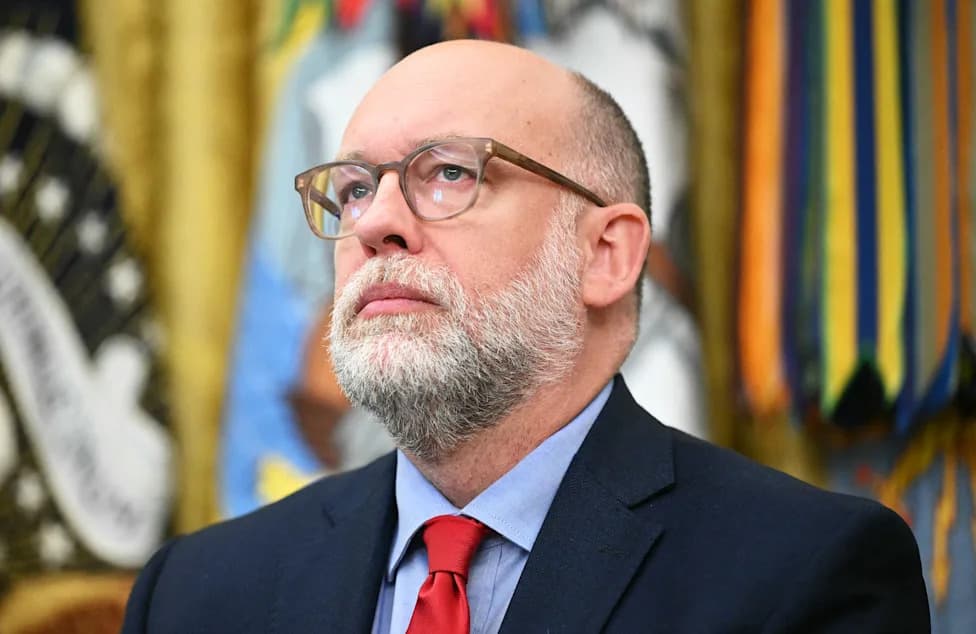
Jeanne Shaheen, a Democratic senator from New Hampshire, expressed particular opposition to the diversion of aid away from countries affected by the Ukraine war - Ukrainian presidential press service/Reuters
"Reprogramming money away from Middle East and Europe to the Western Hemisphere is consistent with the National Security Strategy," the department said. "The funds used in our region will combat narco-terrorism in our hemisphere and help continue to secure the Panama Canal."
Congressional Objections and Legal Questions
Senator Shaheen and Representative Meeks wrote to Secretary of State Marco Rubio, saying the administration's action violated their congressional hold and the original purpose of the funds. Their letter — obtained by The Washington Post — noted that both chambers of Congress provided these funds "for a very specific purpose: supporting Ukraine and our European allies in the wake of Russia's full-scale invasion."
Democratic staffers have also pressed State Department officials to explain how funneling the money to Colombia, Ecuador, Panama and Peru satisfies the statutory requirement that these resources address needs tied to the Ukraine conflict. According to reporting, the administration acknowledged that those Latin American governments "have not provided meaningful security assistance to Ukraine or other European allies" affected by Russia's war.
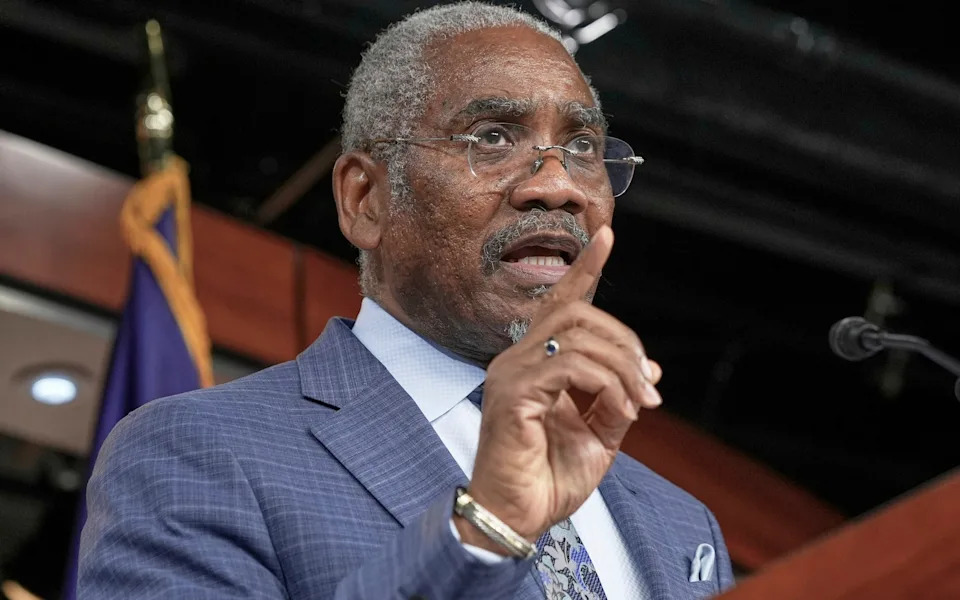
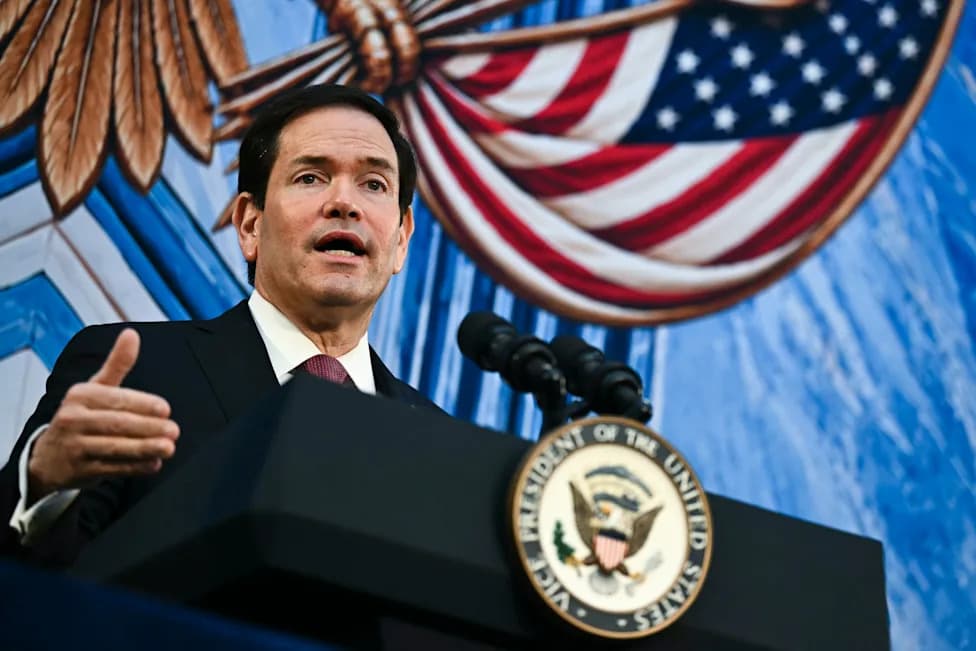
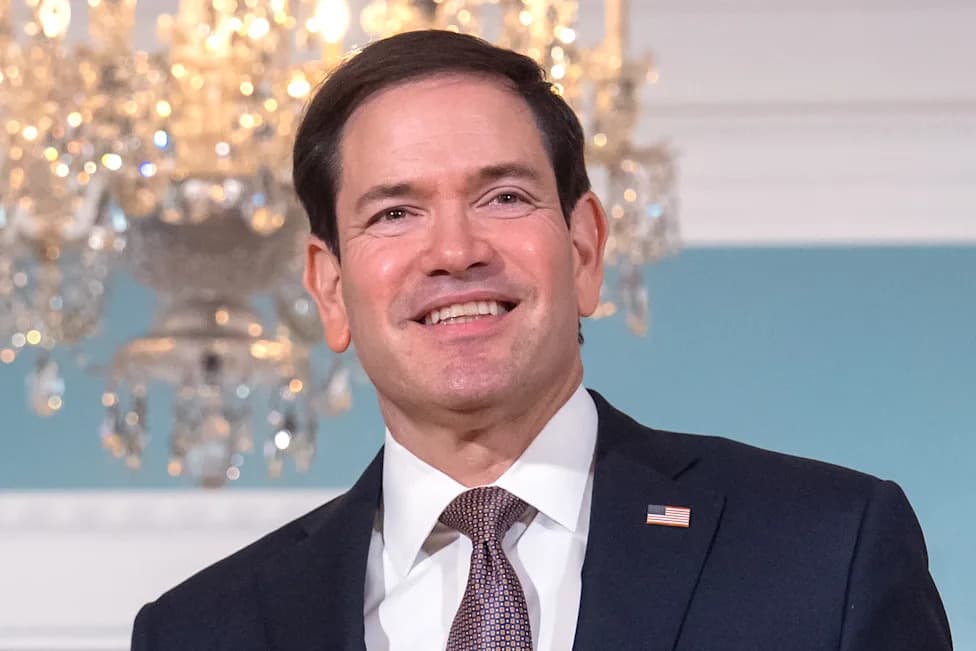
Gregory Meeks, a representative from New York, claimed the Trump administration's decision was a violation of Congress' hold on the funds - Mariam Zuhaib/AP
Broader Strategic Context
The reallocation comes amid wider shifts in U.S. posture under President Trump: a drawdown of forces in Iraq, proposals to withdraw thousands of troops from Germany, and repeated public pressure on NATO allies over defense spending and support for U.S. positions in the Middle East. The administration has at times delayed or sought conditions on weapons deliveries to Ukraine as part of efforts to press Kyiv toward negotiations with Russia.
Some of the supplemental package had been earmarked for Iraq and Tunisia; those portions were reportedly not subject to the same congressional restrictions as the funds originally designated for European partners.
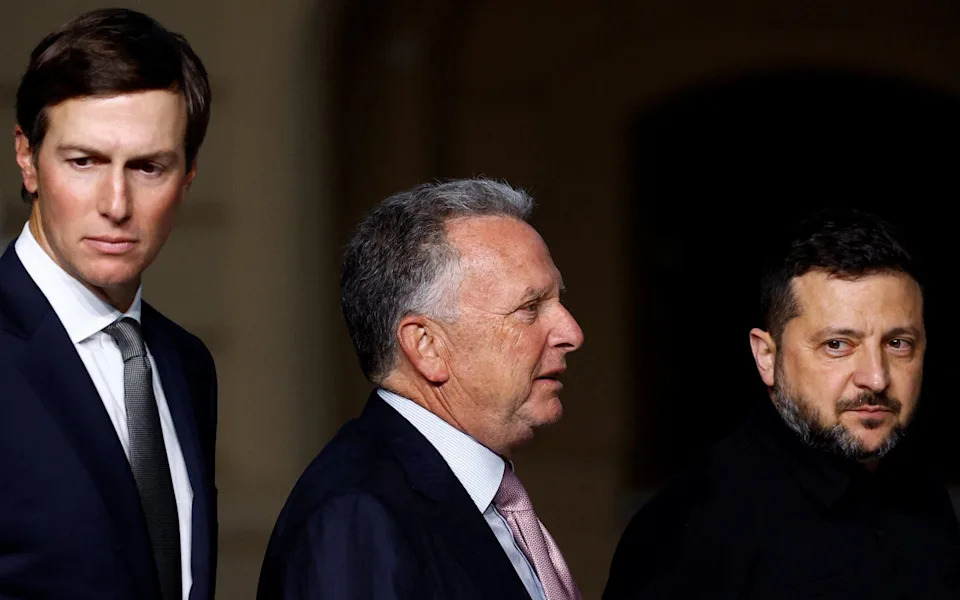
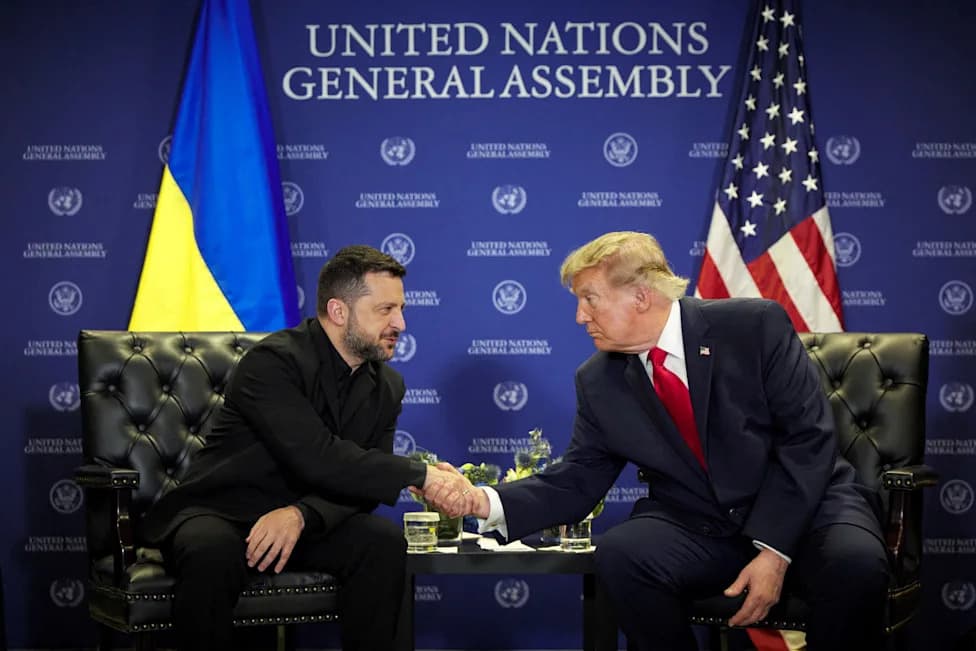
Mr Trump and his envoys, Jared Kushner and Steve Witkoff, have heaped pressure on Mr Zelensky to agree a peace deal with Russia - Valentyn Ogirenko/Reuters
Reports also note President Trump’s warm rhetoric toward a number of Latin American leaders and his broader emphasis on shifting strategic focus toward the hemisphere, where officials say cooperation could help address drug trafficking and migration challenges.
The Telegraph and The Washington Post have contacted the State Department for further comment.
Help us improve.