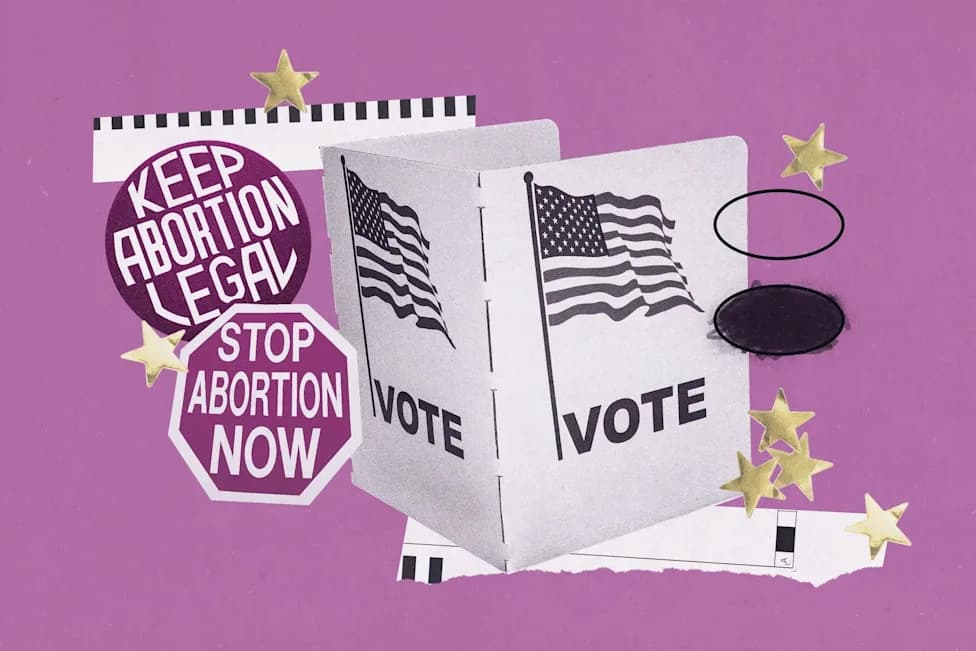
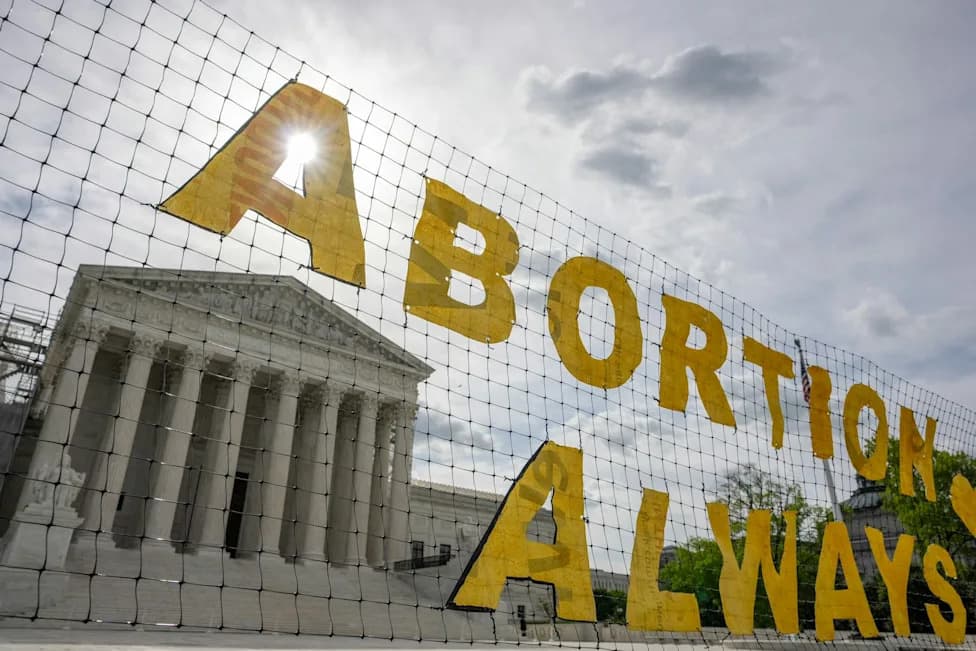
Four years after Dobbs, abortion remains a defining ballot issue in Idaho, Missouri, Nevada and Virginia. Nevada and Virginia seek to enshrine existing protections in state constitutions, Idaho aims to overturn a strict ban, and Missouri's measure would seek to roll back 2024 protections. Polling and recent research show mixed effects on party outcomes, making turnout and down-ballot choices decisive.
Four Years After Dobbs, Abortion Returns To The Ballot — High Stakes In Four States
Four Years After Dobbs, Abortion Is Back on the Ballot in a Big Way
Four years after the Supreme Court's Dobbs decision ended the federal right to abortion, access to the procedure remains a central, high-stakes issue for voters in multiple states. This election cycle, ballot measures in Idaho, Missouri, Nevada and Virginia could shape the future of reproductive rights and influence turnout in key races.
Where The Measures Are And What They Do
Nevada and Virginia are asking voters to ratify constitutional amendments that would enshrine existing abortion protections. Idaho's initiative would roll back one of the nation's strictest abortion bans. In Missouri, backers are pushing a measure that would effectively undo protections voters approved as a constitutional amendment in 2024.
Recent History And Trends
Since Dobbs overturned Roe v. Wade in 2022, 17 states have put abortion-related measures before voters. In 2022 and 2023, every state that considered such measures voted to protect access. In 2024 and 2026 the results have been mixed: procedural rules and ballot language can determine whether a winning vote actually changes a constitution or statute—for example, a 2024 Florida initiative to protect abortion rights won 57 percent of the vote but failed to reach the state's 60 percent threshold required to amend the constitution.
Political Stakes And Down-Ballot Impact
Control of Congress and state-level offices both matter, but state legislatures and governors now play a primary role in defining abortion access. Advocates hope ballot measures will boost turnout and help elect sympathetic state officials, but past cycles show that support for abortion-rights measures doesn't always translate into votes for Democratic candidates.
"The ballot measures are a tremendous tool in our arsenal here, in order to protect and expand access, but it's imperative that people are also voting their values up and down the ballot..." — Ryan Stitzlein, Reproductive Freedom For All
Mixed Electoral Effects
Research suggests the electoral spillover from abortion measures can vary. A recent study by scholars at the University of Richmond and Texas Christian University found that ballot measures helped Democrats in 2022, while in 2024 they delivered some benefits to Republican candidates—often because moderate voters split their ticket, voting for abortion protections on referendums while choosing GOP candidates for other reasons.
State-Level Notes
Nevada: The citizen-initiated amendment first passed with 63 percent of the vote in 2024 and must be approved again under Nevada law. Advocates are mounting digital ad campaigns and highlight the contrast between the amendment and Gov. Joe Lombardo's personal opposition to abortion.
Idaho: The measure would replace the state's strict statutory ban. Critics note the ballot language was altered to describe current law as one that "preserves the life of preborn children by prohibiting abortion," and because the initiative would establish statutory law rather than a constitutional amendment, it could be vulnerable to repeal by a future conservative legislature.
Missouri: Republican backers are including language that would constitutionally ban gender-transition care for minors, even though surgeries and new prescriptions for puberty blockers have been illegal in the state since 2023. Advocates warn the measure functions primarily as an effort to roll back abortion protections.
Virginia: Voters will consider an amendment to enshrine abortion protections already reflected in the state's law.
Public Opinion And Mobilization
Polls suggest abortion access remains an important motivator: a 2025 PerryUndem survey found 46 percent of voters would be more likely to back a candidate who supports abortion rights, including 45 percent of independents. Reproductive Freedom For All has launched a $23.5 million voter mobilization effort this cycle, and other groups are investing in targeted ad buys and outreach to connect ballot measures with candidate positions.
"What voters and supporters find energizing about it is they can translate their votes—especially on these constitutional amendment fights—immediately into protections for themselves and their families." — Sarah Standiford, Planned Parenthood Action Fund
As advocates and opponents wage campaigns in these four states, the outcomes will both reflect and shape the political landscape: they could produce immediate legal change, influence who holds power at the state level, and determine how durable protections will be in the years ahead.
Help us improve.