Patrick Allocco, founder of the Zoose Political Index, says the Supreme Court’s Sept. 10 stay of Missouri’s new congressional map removed a potential Republican advantage and made control of the U.S. House a “true toss-up.” The state’s 2022 districts remain in effect after a state-court finding that a referendum petition was valid. Allocco’s index now shows Democrats leading 216–215 with four toss-ups; Republicans must win three of those to reclaim a clear edge. The GOP’s strategy now hinges on turnout, especially among younger and lower-propensity voters.
Supreme Court Blocks Missouri Map — Pollster Says GOP 'Insurance' Gone, House Now A 'True Toss-Up'
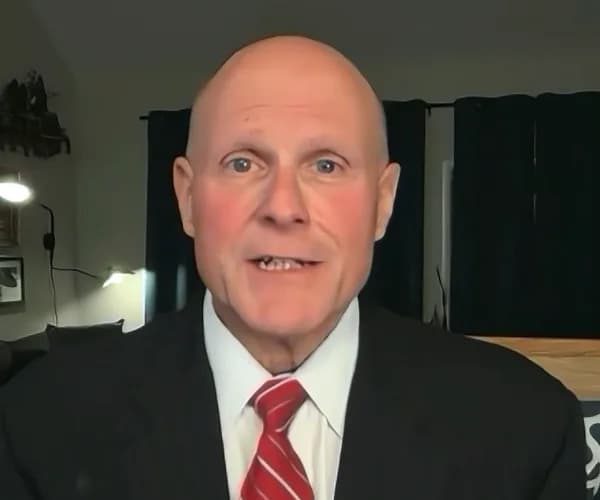
Patrick Allocco (Newsmax)
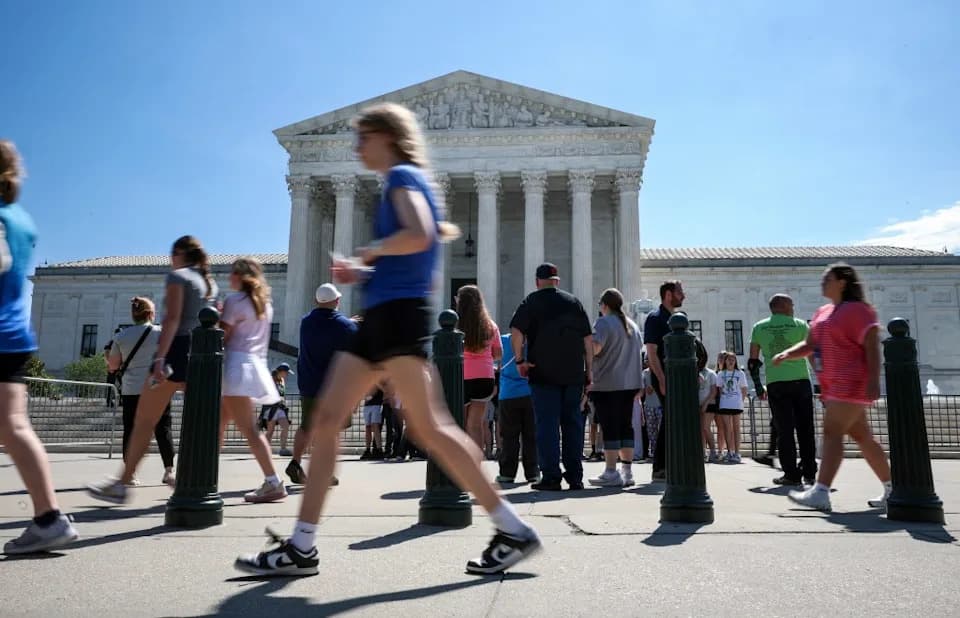
Polling expert Patrick Allocco, founder of the Zoose Political Index, told Newsmax that the U.S. Supreme Court’s Sept. 10 decision to block Missouri’s new congressional map removed a likely Republican advantage and transformed control of the U.S. House into a “true toss-up” ahead of November’s midterm election.
Allocco told host Rob Finnerty that Republicans had counted on Missouri’s redistricting change as one of their “insurance policies” to create extra breathing room in the House. With the map blocked, that structural advantage has vanished and the contest will come down to turnout and individual district battles.
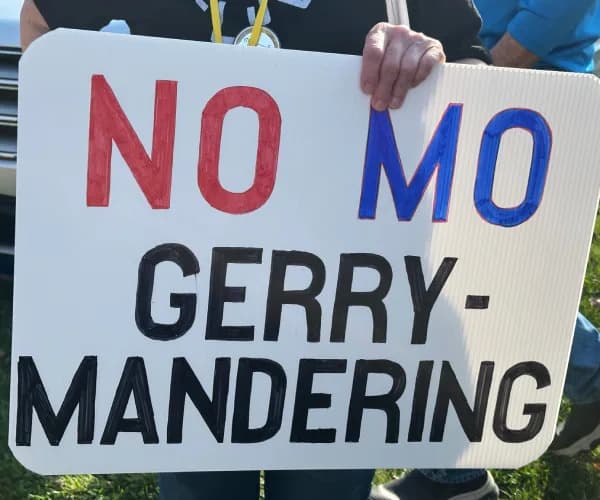
What the court did: The Supreme Court stayed a federal judge’s order that would have required Missouri to use the newly drawn congressional map. That stay leaves in effect a Missouri Supreme Court ruling that keeps the state’s 2022 congressional districts for the November election because a referendum petition challenging the new map was found legal, sufficient, and timely.
Allocco said his Zoose Political Index now projects Democrats with a 216–215 edge in House seats, with four races still considered too close to call. Republicans currently control the chamber.
“It’s a true toss-up,” Allocco said. “Republicans have to win three out of those four uncalled seats. Democrats only need to win two.”
He said the dynamic has shifted from a structural Republican edge created by map lines to a district-by-district turnout battle. That, Allocco added, places a premium on mobilizing voters rather than persuading large numbers of them.
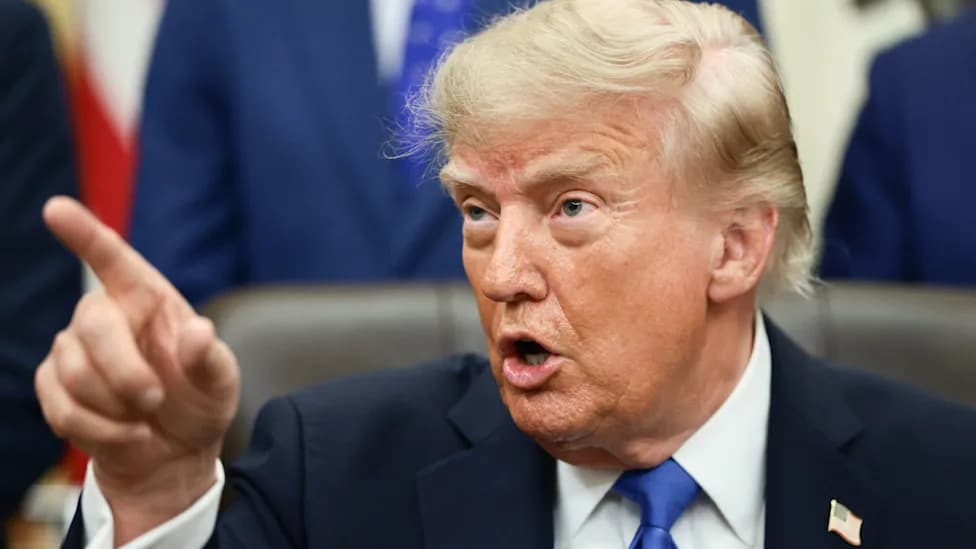
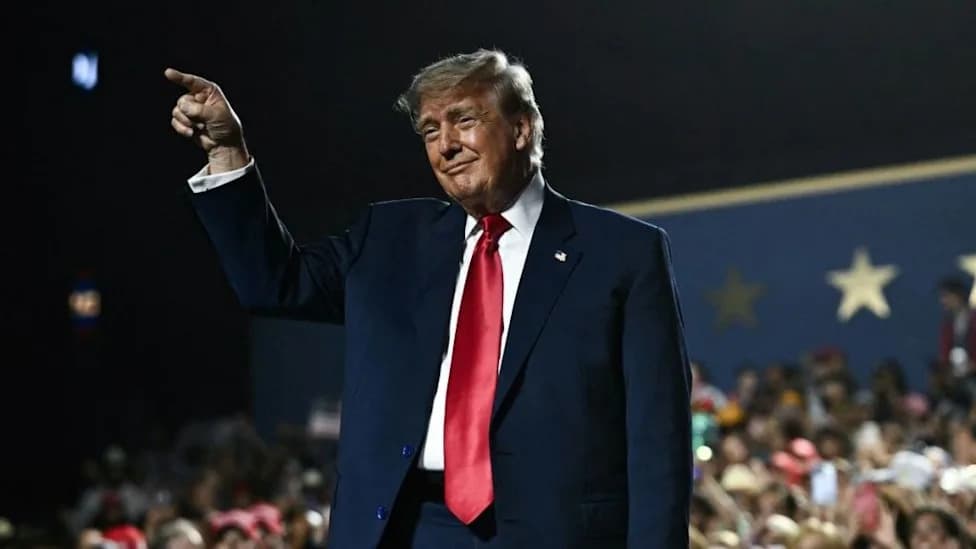
Convention strategy and turnout: Allocco characterized last week’s Republican midterm convention in Dallas as being aimed more at mobilizing the GOP base than at changing the minds of undecided voters. President Donald Trump and Vice President J.D. Vance used the two-day gathering to urge Republican voters to turn out and keep the party’s House majority.
“The convention had one overriding goal: to defy midterm history,” Allocco said, noting that the president’s party has gained House seats in a midterm only twice since World War II. “So this was less about persuasion, more about turnout.”
Allocco singled out younger, lower-propensity voters as a key group Republicans must reach. Many in that cohort may broadly agree with party priorities but feel alienated by concerns such as the Iran war and the rising cost of living. “The concern isn’t necessarily that those voters become Democrats, it’s that they stay home,” he said.
Vice President Vance made a similar appeal at the convention, urging Republicans who disagree with the administration on some issues not to “throw the baby out with the bathwater.” Allocco concluded that the GOP’s path depends on mobilizing persuadable and lower-propensity younger voters while maximizing turnout among reliable older supporters.
Bottom line: With Missouri’s map blocked for now, Allocco’s index views control of the House as narrowly competitive and dependent on turnout in a handful of close races.
Help us improve.