Four states — Idaho, Missouri, Nevada and Virginia — will decide abortion-related measures in 2026, with outcomes ranging from repealing a near-total ban to enshrining protections in state constitutions. Idaho’s Proposition 1 would protect abortion until fetal viability but could be vulnerable to repeal by the Republican-controlled Legislature. Missouri faces a contested measure aimed at reversing 2024 protections and imposing a near-total ban with narrow exceptions. Nevada and Virginia are voting to lock in reproductive-rights protections through constitutional amendments.
Where Abortion Will Be Decided On State Ballots In 2026

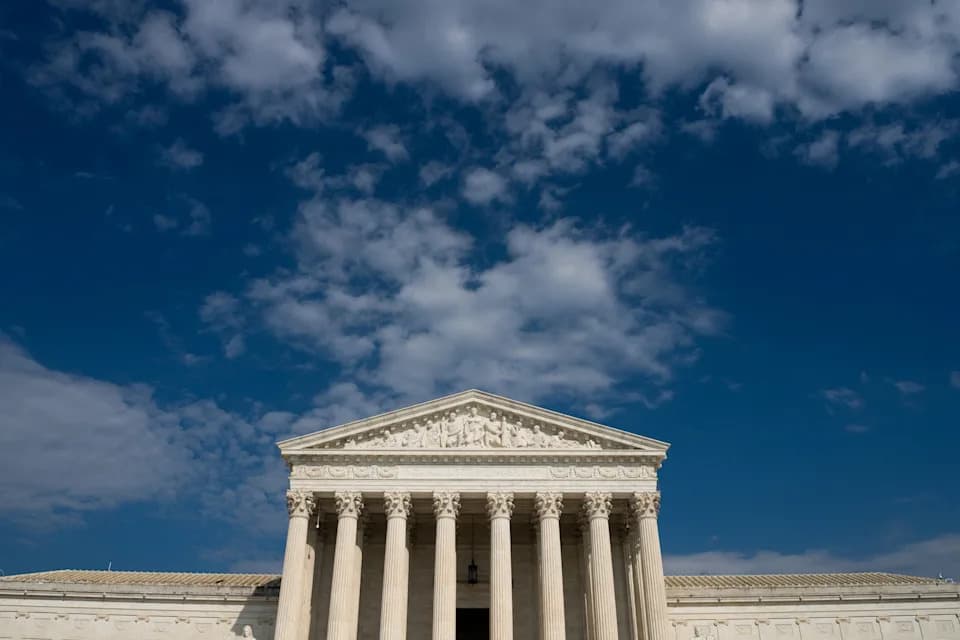
(Emily Scherer for The 19th/Getty Images)
Four states — Idaho, Missouri, Nevada and Virginia — will put abortion-related measures before voters in the 2026 midterms. These measures vary: some would expand or protect access to abortion and related reproductive care, while others would restrict it. Below is a clear, state-by-state breakdown of what each ballot question would do and why the outcomes could matter beyond Election Day.
Idaho — Proposition 1
Idaho residents will vote on Proposition 1, a citizen-initiated measure that would repeal the state's near-total abortion ban and replace it with a statute protecting abortion through fetal viability, generally estimated at about 23–25 weeks of pregnancy. The measure would also explicitly protect access to contraception, fertility treatments, pregnancy-related health care and miscarriage care. After viability, abortions would be permitted only to protect the life or health of the pregnant person.
The initiative reached the ballot after organizers collected more than 100,000 signatures. Because Idaho’s petition process places statutes (not constitutional amendments) before voters, the Legislature could repeal Proposition 1 even if it passes. Several Republican officials, including Gov. Brad Little, have said they would pursue repeal. The GOP currently controls both legislative chambers, and every state Senate and House seat is up for election this fall.
Missouri — Amendment 3 (Contested)
Missouri voters approved a reproductive-rights amendment in 2024 that guaranteed the right to an abortion until fetal viability. Republican lawmakers have proposed a new ballot measure — also labeled Amendment 3 — designed to rescind that protection and effectively reimpose a near-total ban.
Under the proposed measure, most abortions would be prohibited. Narrow exceptions would be allowed for rape and incest only during the first trimester and for medical emergencies at any stage of pregnancy. The ballot language would also add a constitutional ban on gender-affirming care for transgender minors, despite such care already being restricted under state law.
State Republican leaders back the effort to overturn the 2024 amendment; Claudia Kehoe, the state’s first lady, is listed as treasurer of the political action committee supporting the campaign. Separately, Missouri’s attorney general reportedly spent about $167,000 in public funds on advertisements warning patients about alleged risks of abortion clinics — a rare example of government-funded advertising airing statewide in the run-up to an abortion-related vote.
Nevada — Constitutional Amendment (Follow-Up Vote)
Nevada will hold the second required vote on a citizen-initiated constitutional amendment that would guarantee a right to abortion through fetal viability, with exceptions after viability to protect the life or health of the pregnant person. Nevada’s process for citizen-initiated constitutional amendments requires approval in two even-numbered election years; voters approved the first step (Question 6) in 2024 with more than 63% support.
Abortion is already legal in Nevada until about 24 weeks, but embedding the right in the state constitution would make it harder to overturn or dismantle through ordinary legislation or some state-court rulings.
Virginia — Question 1
Virginia’s Question 1 would enshrine the state’s existing framework for reproductive health into the state constitution by recognizing a right to "reproductive freedom." The amendment would protect access to abortion in the first and second trimesters — protections that already exist under state law — and would also safeguard access to contraception, fertility care, pregnancy-related services and miscarriage care.
It would allow third-trimester abortions when necessary to protect the life or the physical or mental health of the pregnant person, or when the fetus is not viable. Virginia remains the only Southern state that has not adopted a ban at or before 12 weeks of pregnancy.
Why this matters: These four questions illustrate the different routes states have taken since the fall of Roe v. Wade: citizen-initiated statutes, constitutional amendments requiring multi-year approval, and legislative or ballot efforts to reverse recent voter decisions. The legal permanence of any change—whether statutory or constitutional—will shape access to abortion and related reproductive care for years to come.
Help us improve.