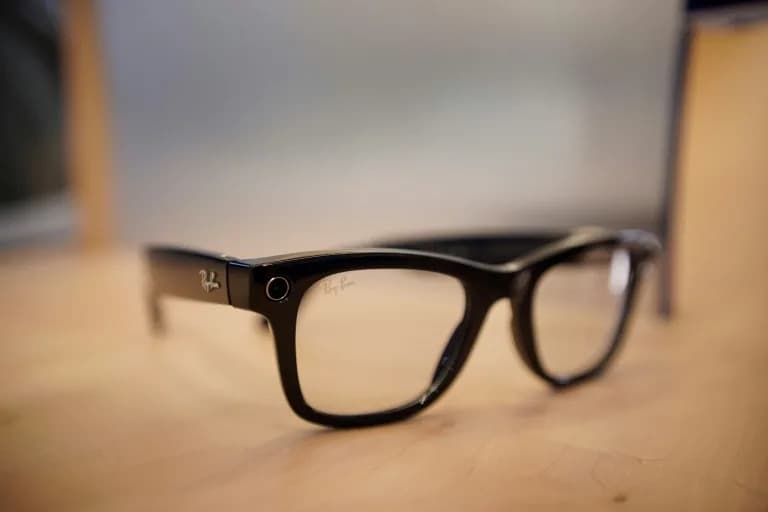
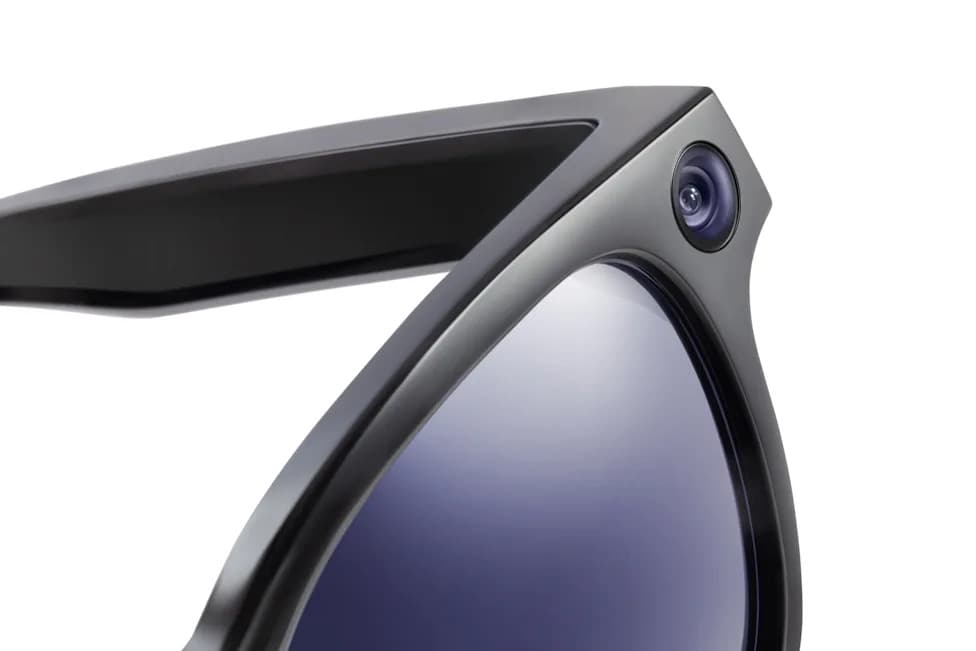
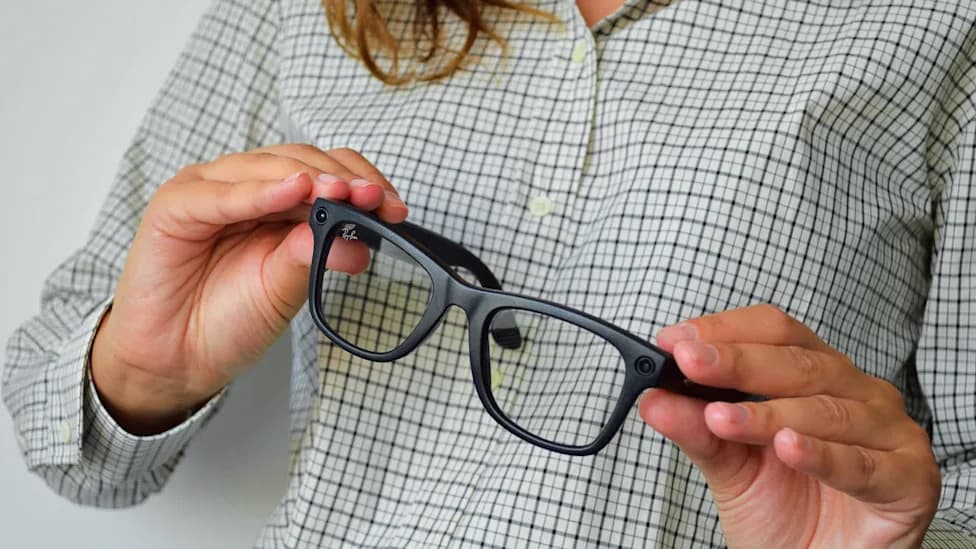
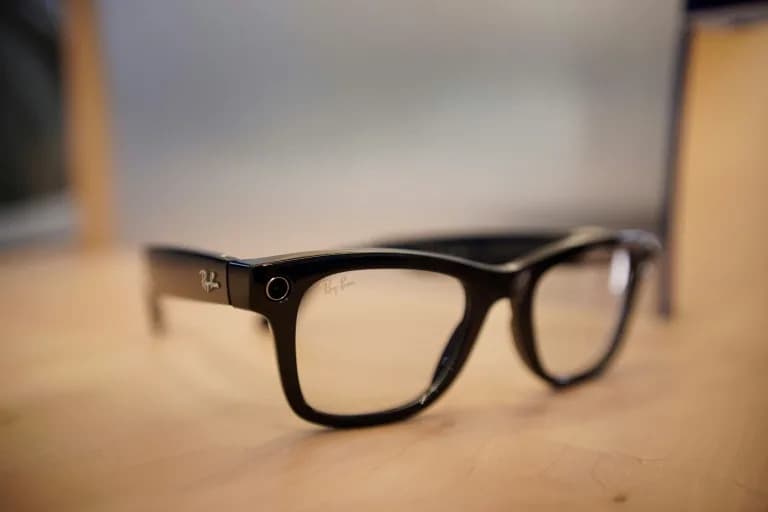
Norway has proposed a temporary ban on AI-enabled smart glasses in locations where privacy is especially important, including health-care facilities, changing rooms and places frequented by children. The pause would give lawmakers time to study the technology, define which devices are covered and stage an "informed debate" that could lead to permanent rules. The move comes amid global privacy debates, following a vetoed California bill and corporate actions like Microsoft’s AI guardrails for schools. Officials stress the proposal is not an outright ban and may include exceptions for vulnerable groups.
Norway Moves to Temporarily Ban Smart Glasses Amid Rising Privacy Concerns
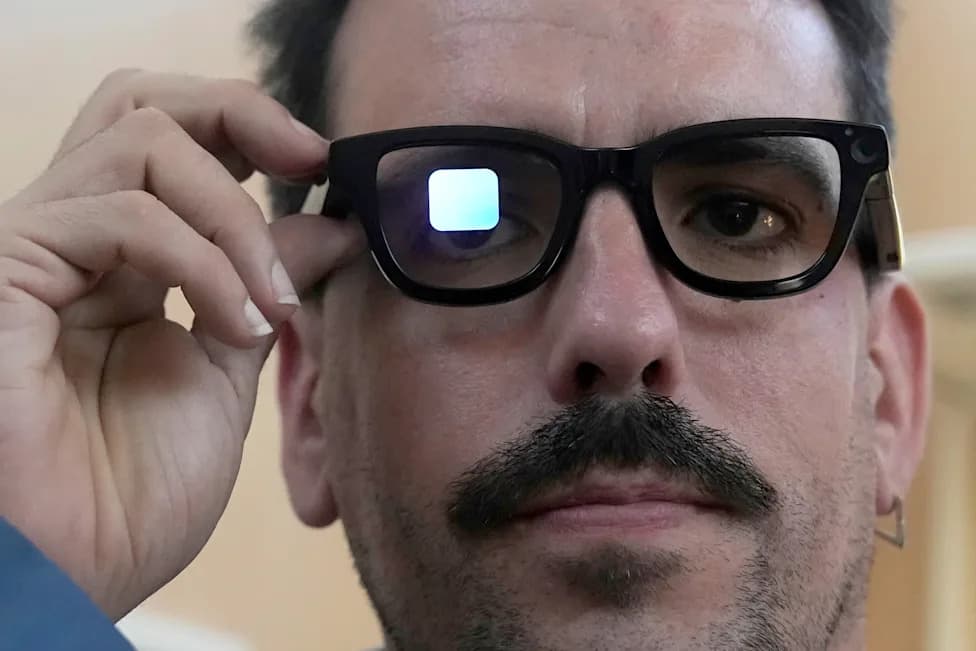
FILE - Michael Mcloughlin, of El Confidencial, gets a demonstration of Gemini on Android XR glasses at a Google I/O event in Mountain View, Calif., Tuesday, May 20, 2025. (AP Photo/Jeff Chiu, File)
A trip to the park, a day at the beach or a workout at the gym can all become occasions where smart glasses take photos, record conversations or stream video — often without the knowledge of the people in front of their lenses and microphones. Norway's government has proposed a temporary ban on the use of AI-enabled smart glasses in certain public locations to address those risks.
What the Proposal Would Do
The government plans to ask parliament, the Storting, to enact a short-term restriction on smart glasses in places where privacy is "particularly important." Potential target locations include health-care facilities, fitness centers with changing rooms and showers, and areas where children gather such as schools, kindergartens, playgrounds and youth clubs. Authorities say the pause would allow time to study the technology and decide what device types should be regulated.
Where It Could Apply
Officials have suggested the temporary ban might also extend to public concerts, sporting events, parks, beaches, museums and shopping centers. At the same time, the government emphasized it is not seeking an all-out ban on wearable technology and that private use and some permitted settings would remain allowed.
Context and International Reactions
The proposal arrives amid wider global debate over new technologies that reshape daily life. In California, a bill that would have penalized using smart glasses to record people without permission in private settings was vetoed by the governor. Separately, Microsoft announced plans to adopt guardrails and privacy standards for its AI tools in schools after negotiating with a major U.S. teachers union.
Next Steps & Exceptions
Torgeir Micaelsen, Norway's Minister of Digitalization and Public Governance, said the temporary measure would buy time for a more thorough review, an "informed debate" and the potential creation of permanent rules. The government is also considering exceptions for vulnerable groups so that socially beneficial uses of smart glasses could continue in some circumstances.
Quote: "We need time to examine the challenges and balance innovation with the right to privacy," Micaelsen said.
Authorities aim to submit the proposal to parliament "as soon as possible." The temporary restriction is intended to be a measured step: not a rejection of wearable technology, but a way to protect sensitive spaces while policymakers define appropriate safeguards.
Help us improve.