Australian ministers are weighing a possible ban on camera-equipped smart glasses in government buildings, asking the Public Service Commission for formal advice. Officials have also convened a roundtable with major employers to shape workplace AI guidance. The proposal aims to address privacy and security risks while balancing accessibility concerns for visually impaired users. International precedents and industry responses, including a potential camera-free design from Meta, will inform the outcome.
Australia Considers World-First Ban on Camera Smart Glasses in Government Offices
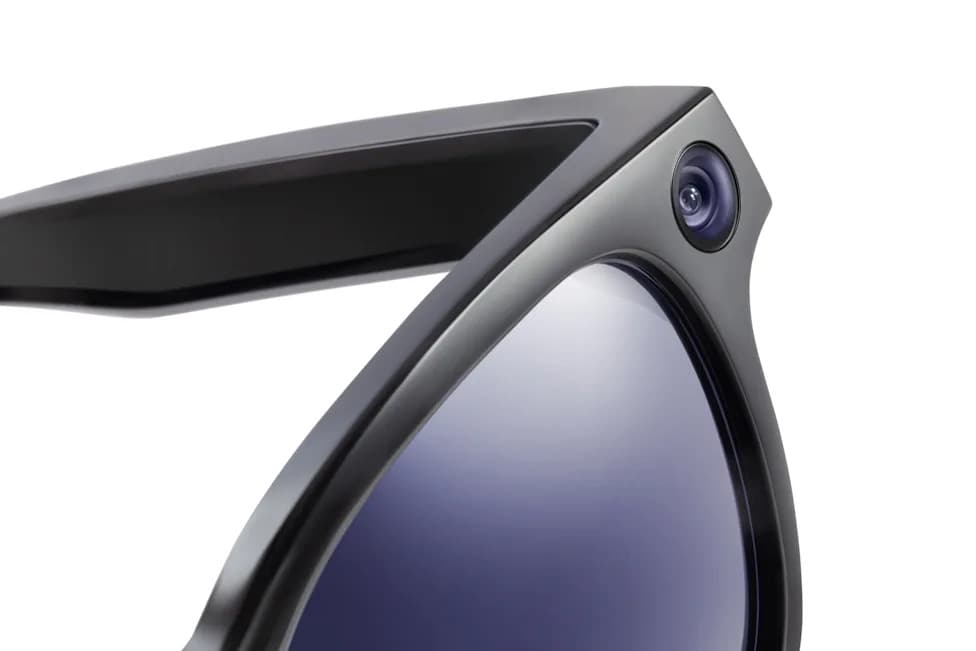
Photo Credit: iStock
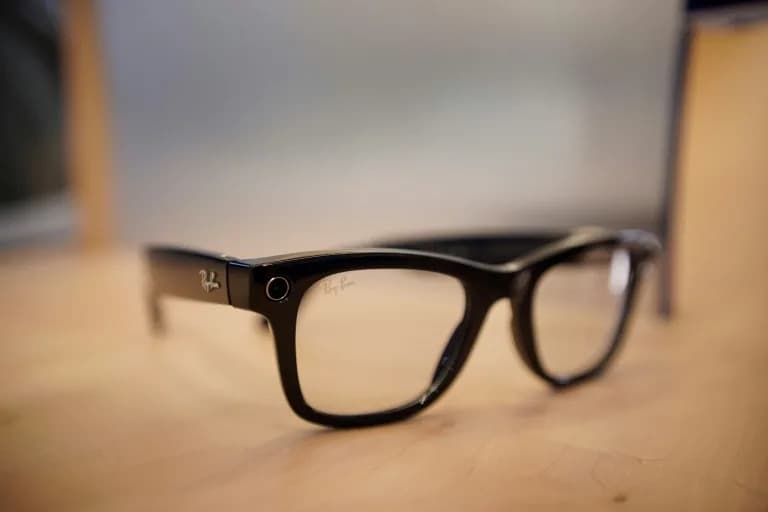
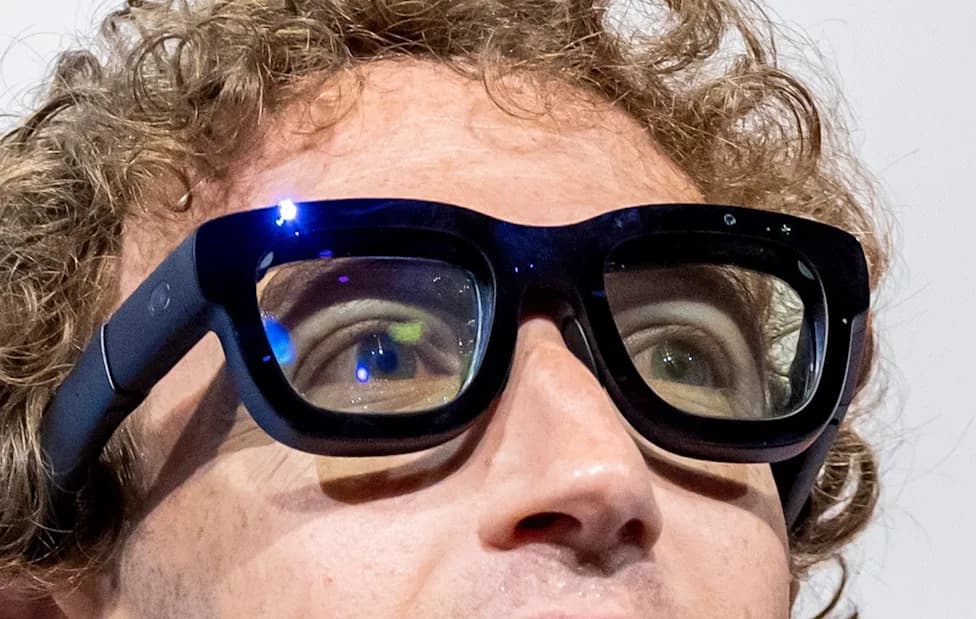
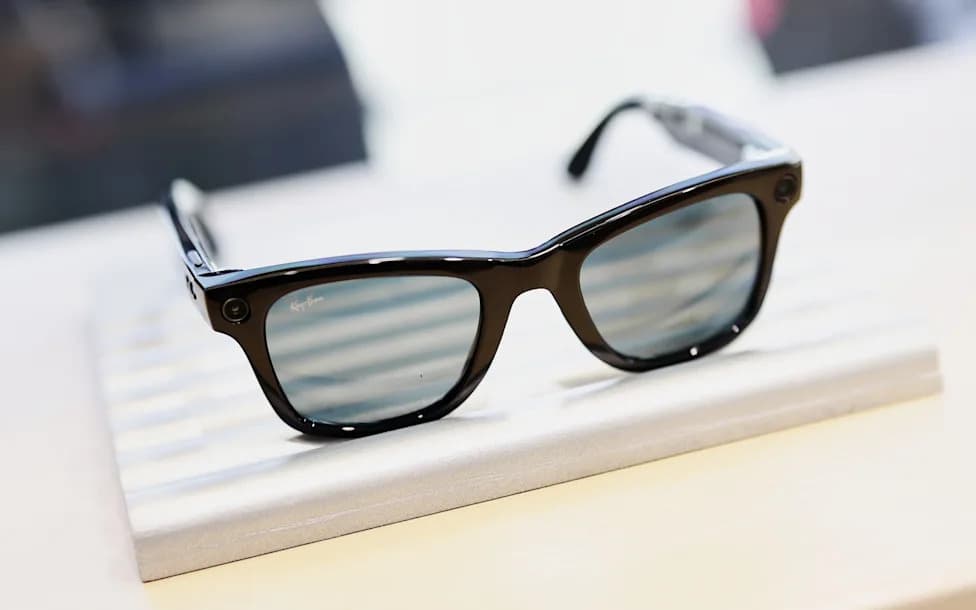
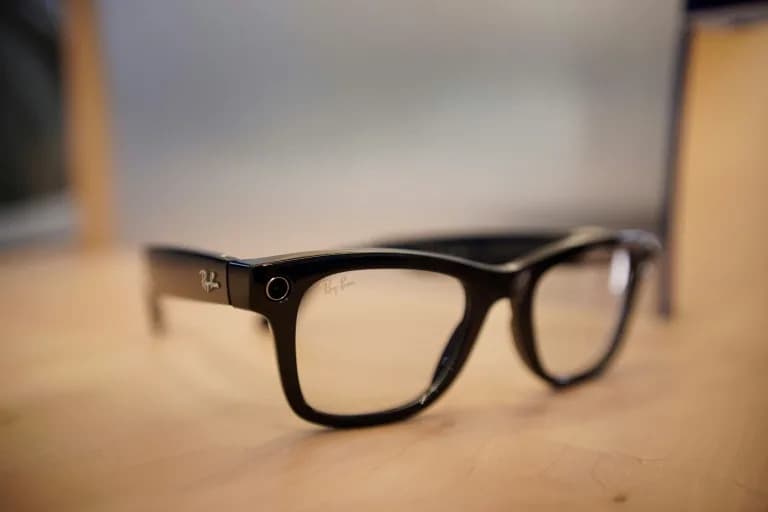
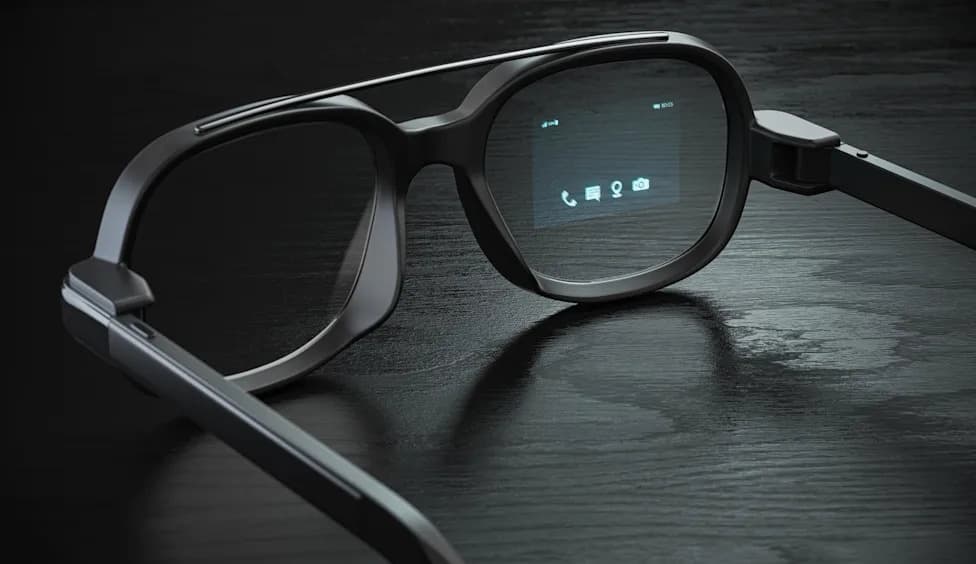
Australian officials are considering a potential ban on camera-equipped smart glasses in government workplaces amid growing privacy and security concerns. The Independent reports that the move would target devices capable of covert recording and follows complaints and debates about wearable technology that can capture audio and video without drawing attention.
What Officials Are Doing
Katy Gallagher, Australia’s Minister for the Public Service, has asked the Public Service Commission to provide formal advice on whether a prohibition should cover government buildings and other public-sector premises. At the same time, federal officials have convened a roundtable with major employers — including Microsoft, Commonwealth Bank, Telstra and AGL — to develop practical guidance on the use of artificial intelligence and related technologies at work.
'Smart glasses can raise legitimate privacy and security concerns, particularly because of their ability to record and capture information, and we need clear and consistent guidance for public servants,' said Minister Gallagher, according to The Independent.
Privacy, Security and Accessibility Concerns
Critics argue that the hands-free, unobtrusive design of many smart glasses makes it hard for bystanders to know when they are being filmed, which is especially problematic in government settings that often involve sensitive personal data, confidential briefings or workplace conversations. At the same time, disability advocates note that smart-glass technology can be vital for people with visual impairments, helping with navigation and daily tasks — meaning any restriction must consider reasonable access and workplace adjustments.
International Precedents and Industry Response
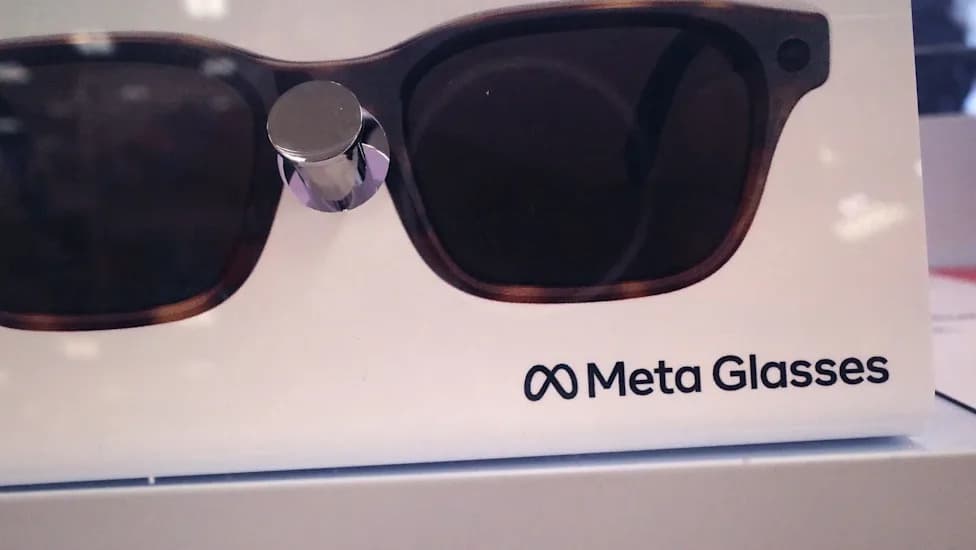
Other jurisdictions have already drawn lines around the technology: Oslo has banned smart glasses in schools, and some courts in England and Wales have barred Meta’s model from courtrooms. According to reporting in The Information cited by The Independent, Meta has considered releasing a version of its eyewear without a camera — a design change that could reduce privacy risks while preserving assistive features.
Context and Next Steps
The discussions come amid broader debate about AI policy and digital safety. Prime Minister Anthony Albanese framed the consultations as part of an effort to update public protections as technology evolves, saying Australia aims to set an international standard for digital safety. The government will await formal advice from the Public Service Commission before deciding whether to pursue a formal ban, while the roundtable with industry will inform any workplace AI guidance.
Earlier controversies referenced in reporting include claims that some smart glasses identified strangers in real time and worker reports that devices recorded more than expected, as well as legislative efforts in other places to address AI-driven surveillance and pricing. Policymakers will need to balance privacy and security with accessibility and innovation as they weigh next steps.
Help us improve.