Professor Victoria Sutton evaluates Asgardia — a digital "nation" launched by Igor Ashurbeyli — and explains why legal and political barriers make statehood and UN membership unlikely. The Outer Space Treaty and ISS agreements generally leave jurisdiction with the launching State, and UN admission requires Security Council recommendation and broad political support. Asgardia has a small satellite and over one million online "citizens," but lacks terrestrial recognition; the project nonetheless raises urgent questions about jurisdiction, liability, and governance as humans expand activity in space.
Asgardia’s Orbiting Ambition: Why Space ‘Nationhood’ Faces Legal and Political Roadblocks
Asgardia: An American-launched “Nation” by a Russian Citizen That Orbits the Earth
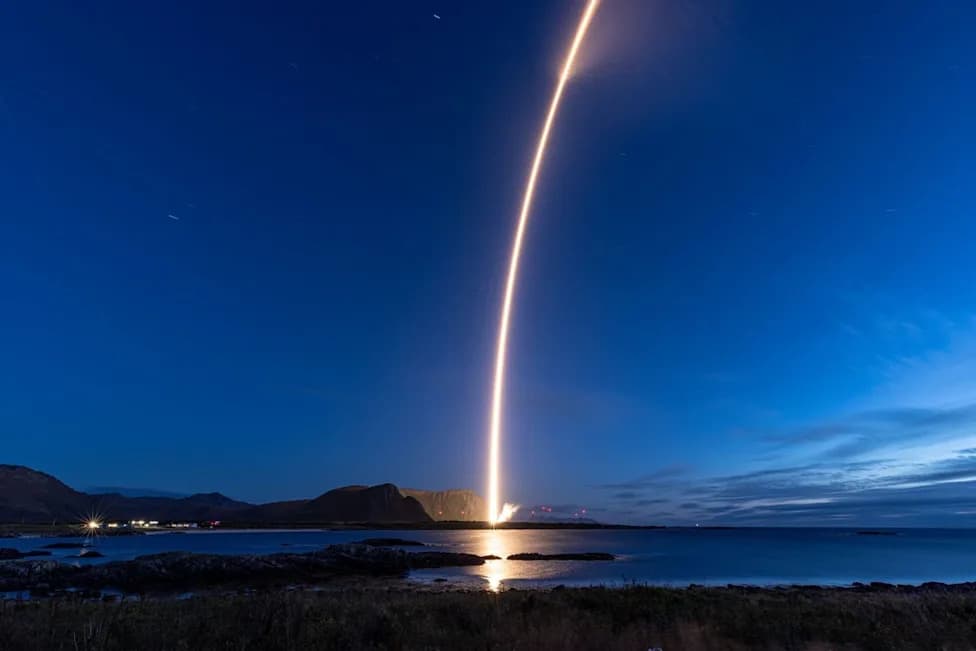
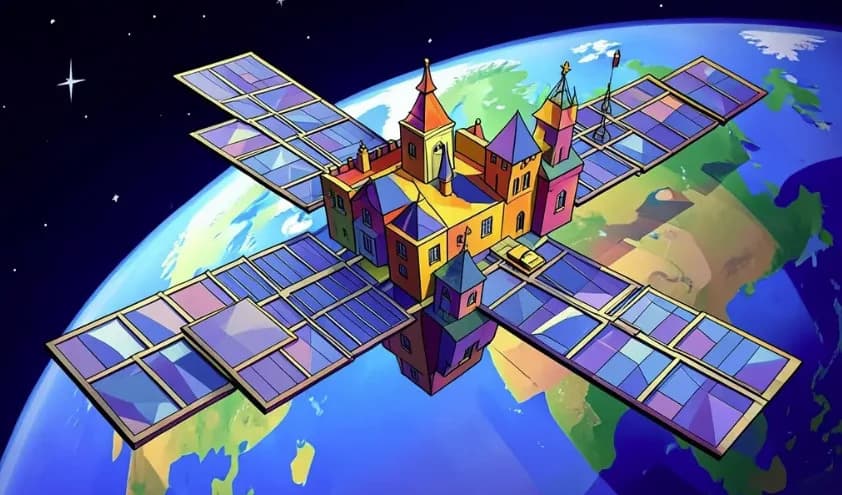
Nearly a decade ago, Russian entrepreneur Igor Ashurbeyli launched a bold experiment: a digital “nation” called Asgardia and a small satellite placed into low Earth orbit (LEO). Reporters asked whether Asgardia could realistically seek recognition as a sovereign state and obtain United Nations membership. The legal and political barriers are substantial. This article revisits those obstacles and summarizes where Asgardia stands today.
Jurisdiction in Space: The Outer Space Treaty and Launching State Responsibility
The foundational legal constraint is the 1967 Outer Space Treaty. Under its terms, the State that launches or procures the launching of a space object retains continuing jurisdiction and control over that object and bears international liability for damage it causes. That rule tends to keep authority tethered to an Earth-bound State rather than to a newly proclaimed space polity.
The International Space Station (ISS) offers a practical model. The ISS Intergovernmental Agreement (IGA), adopted by the participating States, provides that each partner retains jurisdiction and control over the elements it registers and over its nationals aboard the station. In short, a person aboard a module remains subject to his or her national law. A unilateral declaration of independence by occupants would, in this framework, look much more like insurrection than the creation of a conventional State.
Could Residents Renounce Earth Citizenship and Form a New State?
One theoretical route to statehood would be for inhabitants of a space habitat to renounce their terrestrial citizenship and jointly declare independence. In practice, however, this faces daunting legal, logistical, and political hurdles. States historically resist secessionary movements, and geopolitical realities — including how major powers respond — would heavily influence any recognition effort. Moreover, Asgardia currently has no permanent human population in orbit, so the question remains largely hypothetical.
UN Membership: Political Criteria and Practical Barriers
UN membership is limited to "peace-loving States" that accept the obligations of the UN Charter and are judged able and willing to carry them out. Admission requires a recommendation from the Security Council and a vote of the General Assembly. Even if a space-based polity claimed the attributes of statehood, it would likely face early objections from UN observers and non-member territories and political resistance from powerful States whose interests or interpretations of sovereignty differ.
Consider how contentious Palestinian recognition has been: decades of diplomatic debate, uneven acceptance across international organizations, and tangible political consequences for membership and funding. That precedent underscores how fraught recognition processes can be — even for terrestrial territories with permanent populations.
Practical Status of Asgardia Today
Asgardia’s earliest tangible asset was a modest six-pound satellite the size of a breadbox. The project has marketed itself as a “digital, space-faring nation,” and reports more than one million registered citizens (initially about 75% male). All members currently live on Earth. Asgardia offers a smartphone app, a written constitution, and a requirement that members assent to its governing documents.
On legal formality, Asgardia’s platform places some matters under terrestrial law: its Terms of Service designate Austrian law for disputes and the organization maintains a corporate presence in Vienna where it can be served. The Asgardian constitution contemplates internal dispute-resolution mechanisms, but real-world enforcement, recognition, and interstate status would still depend on national legal systems and diplomatic recognition.
Alternate Paths and Policy Questions
Full UN membership is only one path. A nascent space polity might pursue sponsorship or representation by an existing State (as some Pacific dependencies are represented at the UN by New Zealand) or seek a form of special administrative status under an existing sovereign. Such arrangements are political compromises and would rely entirely on terrestrial governments’ willingness to recognize or sponsor the space entity.
Looking forward, the prospect of permanently inhabited platforms raises urgent policy questions: How will citizenship, criminal jurisdiction, and civil liability be allocated? What rules will govern births in space? How will rescue, environmental, and resource issues be managed? These questions demand coordinated international frameworks well before large-scale human habitation of space becomes routine.
Conclusion
Asgardia remains an intriguing test case at the intersection of technology, law, and politics. While its digital community and small satellite have captured public imagination, existing international law and the political realities of recognition make full sovereign status and UN membership unlikely today. Nevertheless, the project highlights the need for clearer legal and policy approaches as human activity in space expands.
Author: Professor Victoria Sutton (Lumbee), Texas Tech University — Law Professor and space law scholar. Sutton is a founding member of the National Congress of American Indians Policy Advisory Board and works on policy issues affecting Indigenous communities.
Help us improve.