Study in mice: Obesity can induce a persistent “open” chromatin state at the FBN1 gene in fat cells, keeping production of the hunger hormone asprosin high after weight loss. Asprosin drives appetite by acting on PTPRD receptors on hypothalamic AgRP/NPY neurons. Interrupting the FBN1–asprosin–PTPRD pathway prevented weight regain in mice, but direct evidence that the same molecular memory exists in humans is still missing.
Molecular 'Memory' in Fat Cells May Explain Why Lost Weight Often Returns

Your waistline is slowly expanding
Many people who lose substantial weight find the pounds creeping back and appetite unusually hard to suppress. New mouse experiments identify a concrete molecular mechanism that could help explain this persistent drive to regain weight.
Key Findings From the Study
The researchers traced a lasting obesity-associated change to a single DNA region within the FBN1 gene in fat cells. FBN1 encodes fibrillin-1 and from its final exons also produces the hormone asprosin. During obesity, levels of the signaling protein TGF-β1 rise in adipose tissue and activate FBN1, increasing asprosin production.
Crucially, the team found that a brief spike in TGF-β1 was enough to reconfigure the chromatin around FBN1 into an open conformation. Once opened, that chromatin state persisted for weeks after mice lost weight and after TGF-β1 returned to baseline, keeping asprosin output elevated.
How Asprosin Affects Appetite
Asprosin is released from white adipose tissue during fasting and performs two main roles: it stimulates the liver to release glucose and it signals the brain to seek food. The appetite signal travels to AgRP/NPY neurons in the hypothalamus via the receptor PTPRD. In mice lacking PTPRD specifically in those neurons, asprosin failed to increase appetite and animals were protected from diet-induced obesity, pointing to a focused neural circuit for intervention.

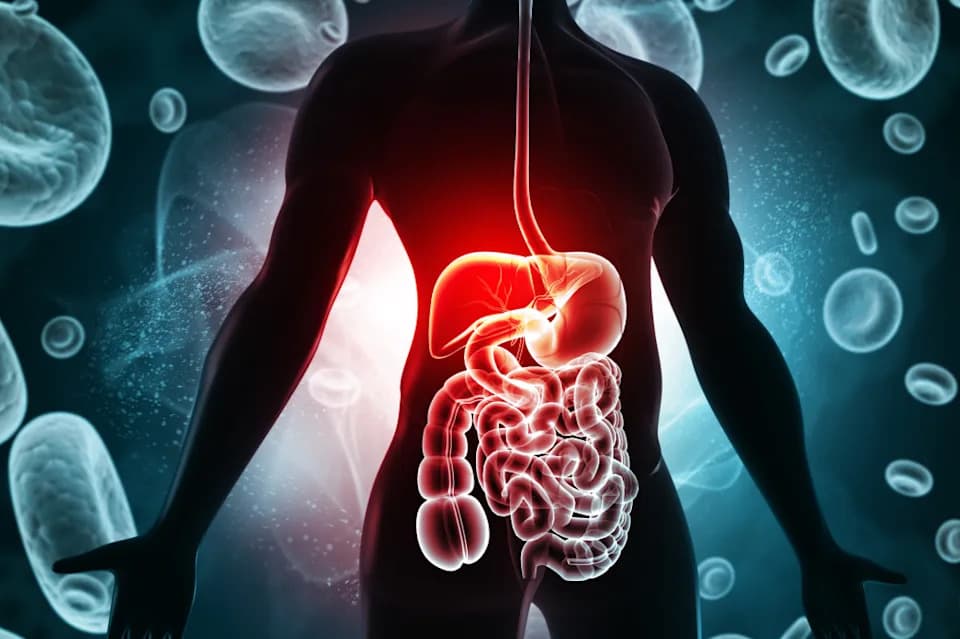
Image Credit: sosiukin/123RF
Therapeutic Implications and Risks
Interrupting the FBN1–asprosin–PTPRD pathway in mice—either genetically or with drugs—prevented weight regain and blocked the transmission of obesity risk to offspring. This suggests multiple potential intervention points: upstream at TGF-β1 signaling, at the chromatin state of FBN1, or downstream at asprosin or its receptor.
However, each target carries significant safety concerns. TGF-β1 is essential for immune regulation, wound healing and tissue remodeling, so systemic inhibition could cause serious side effects. FBN1 is central to connective-tissue biology (mutations cause Marfan syndrome), making it a risky target without highly specific approaches. PTPRD has broad roles in neuronal development and has been linked to tau pathology in Alzheimer’s disease, raising additional safety questions.
What We Still Don’t Know
Although public human datasets are consistent with elements of the mechanism, direct evidence that a chromatin-based “molecular memory” at FBN1 exists in people after weight loss is still lacking. Other studies support the broader idea of durable obesity-related marks: for example, CD4+ T cells have been reported to retain obesity-associated DNA methylation patterns for years after weight loss, and adipocytes themselves can show long-lived changes.
Bottom line: The mouse data outline a plausible, testable pathway that could underlie persistent appetite and weight regain, but translating these findings into safe, effective human therapies will require much more work.
Next Steps
Key next steps include confirming whether human fat cells show the same open chromatin at FBN1 after weight loss, determining how long the effect lasts in people, and evaluating whether existing treatments (for example, GLP-1 receptor agonists) influence TGF-β1, FBN1 chromatin state or asprosin levels.
Help us improve.