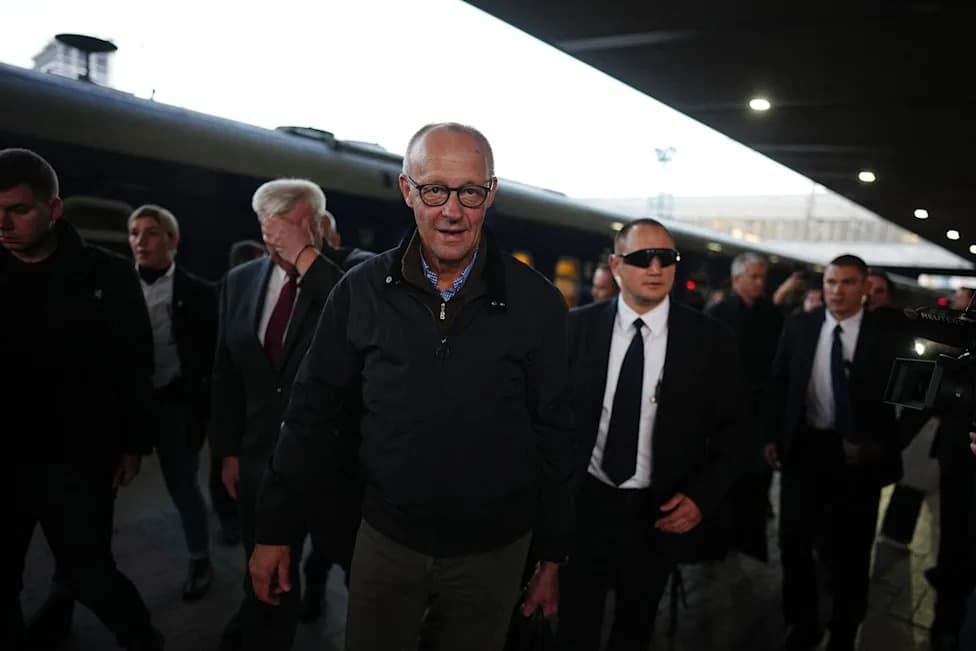
Former Army Secretary Dan Driscoll says he resigned in September after 18 months amid deep disagreements with Defense Secretary Pete Hegseth over military modernization and personnel policy. Driscoll says an early offer to use his friendship with Vice President J.D. Vance to help at the Pentagon prompted an angry reaction from Hegseth. Insiders accuse Hegseth of favoring purges and blocking promotions, while Driscoll defended allies who pushed for modernization. Driscoll also stressed their relationship was not uniformly negative and that they agreed on many issues.
Driscoll Lifts Lid On Rift With Pete Hegseth — The 'Gift' That Sparked Pentagon Fallout
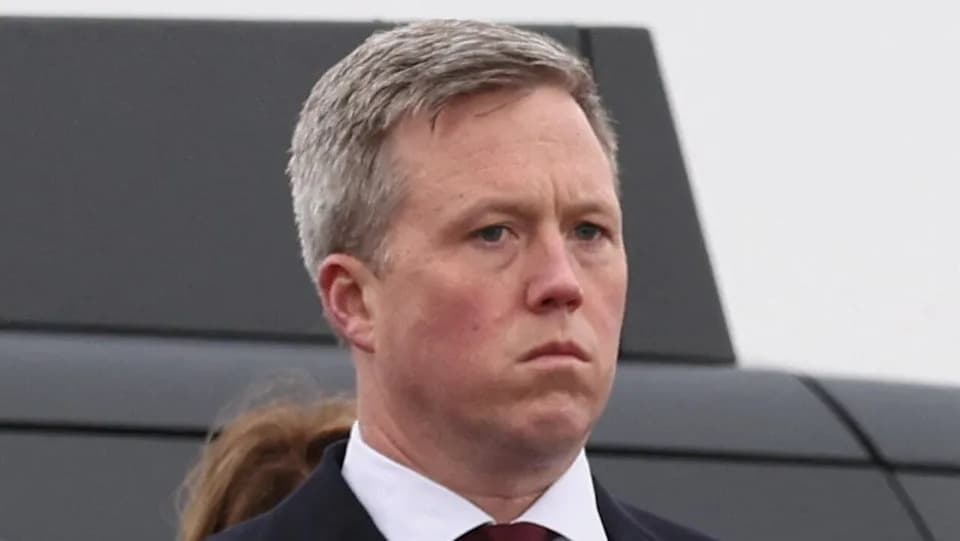
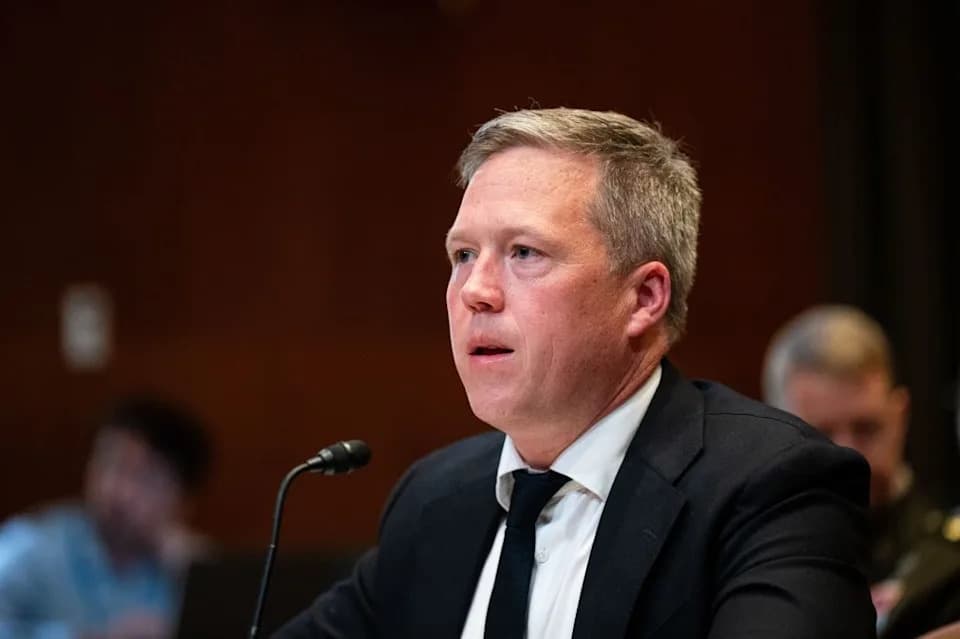
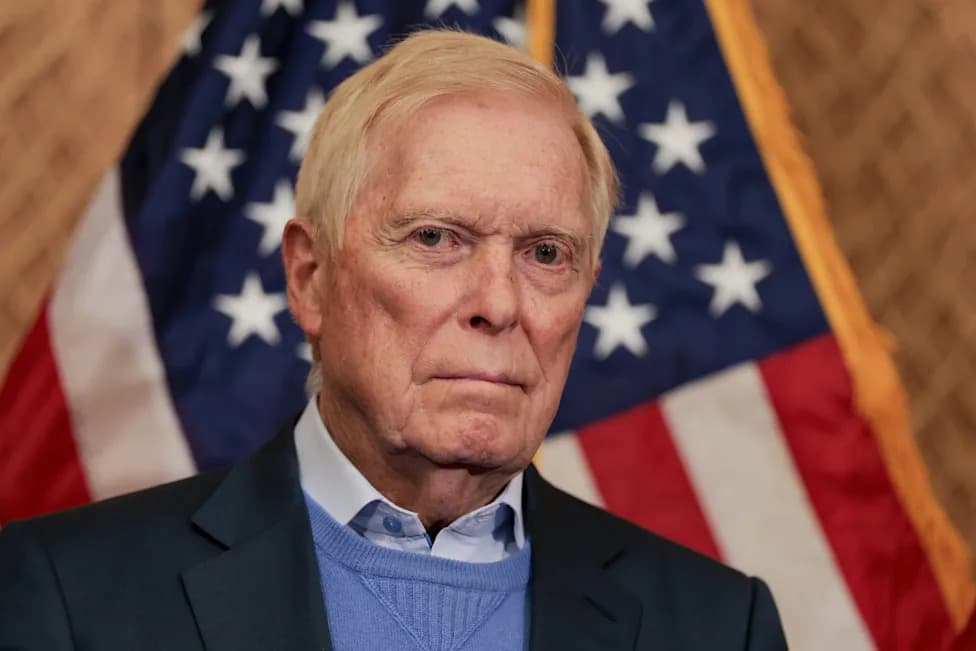
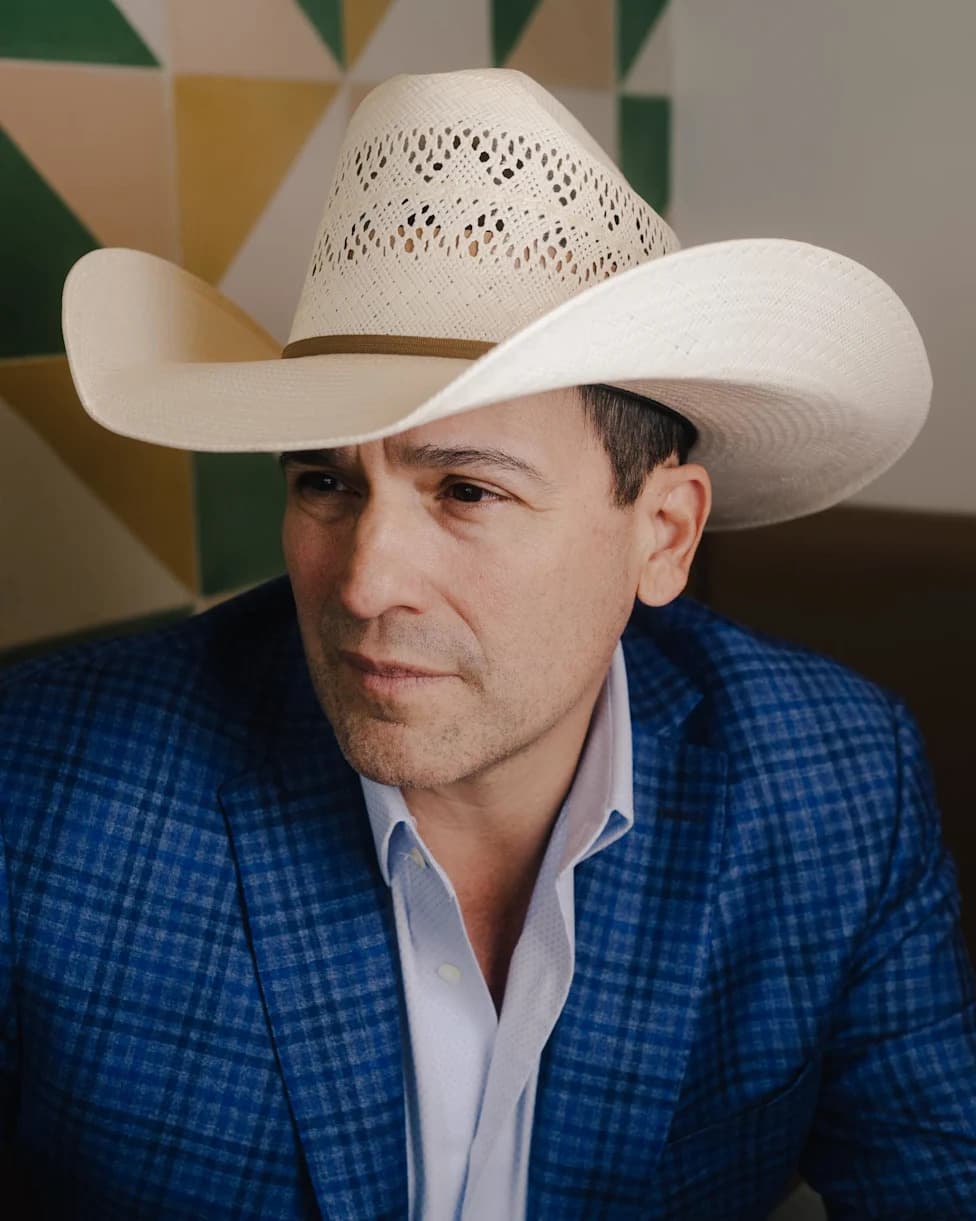
Dan Driscoll spoke to the Rolling Stone about his time working alongside the Secretary of Defense. / Kevin Lamarque / REUTERS
Former Army Secretary Dan Driscoll has described a fractious relationship with Defense Secretary Pete Hegseth that culminated in Driscoll's resignation in September after just 18 months on the job. In interviews with Rolling Stone and other outlets, Driscoll and multiple insiders portray a tense working dynamic driven by stark disagreements over military modernization, personnel decisions, and how the Pentagon should interact with the White House.
The Incident That Allegedly Sparked the Rift
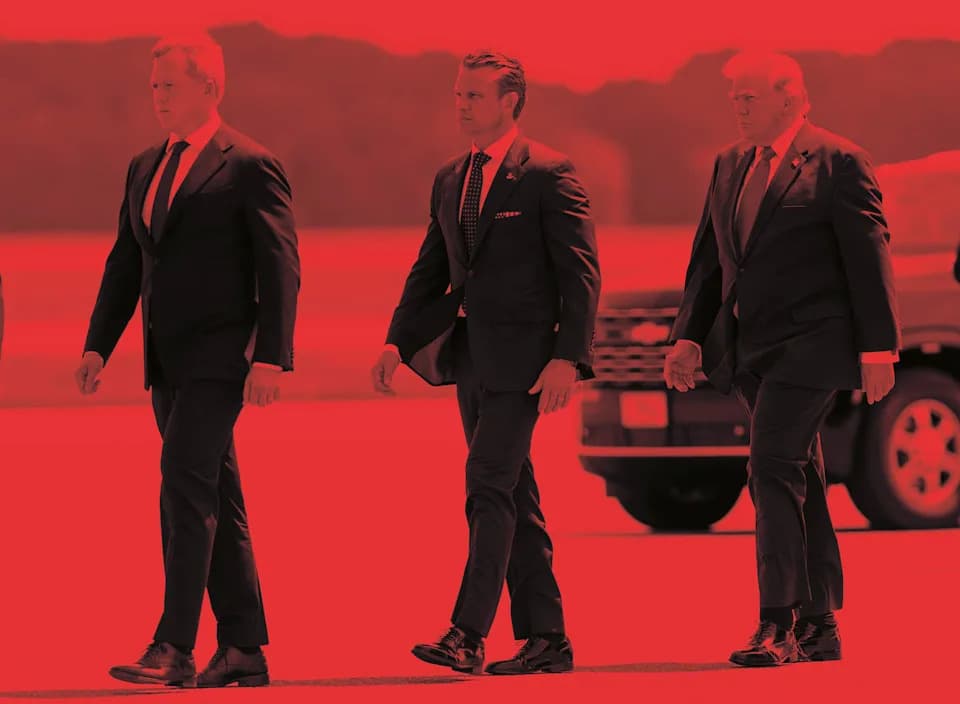
According to several sources, an early episode helped set the tone for their strained relationship: Driscoll says he offered what he considered a "gift" — the possibility of leveraging his close friendship with Vice President J.D. Vance to help advance work at the Pentagon. Two people told Rolling Stone that Hegseth reacted angrily, insisting that any White House contacts be routed through him personally.
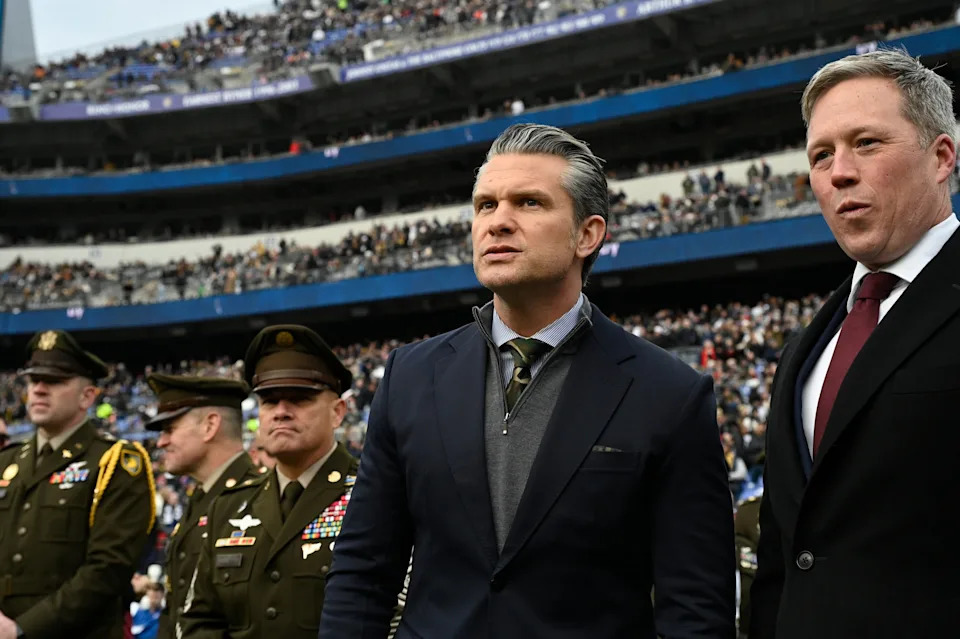
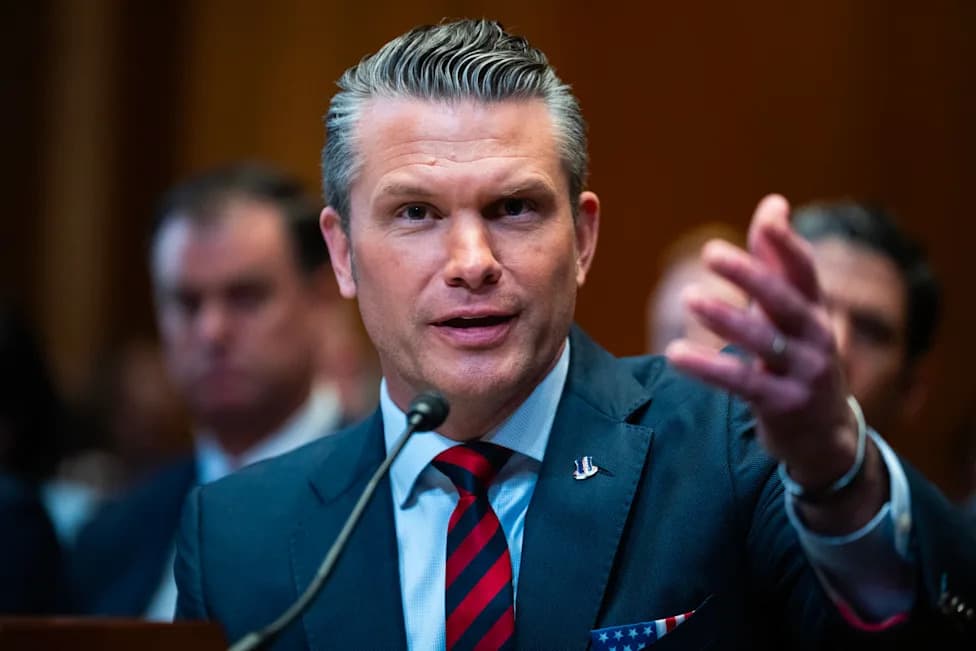
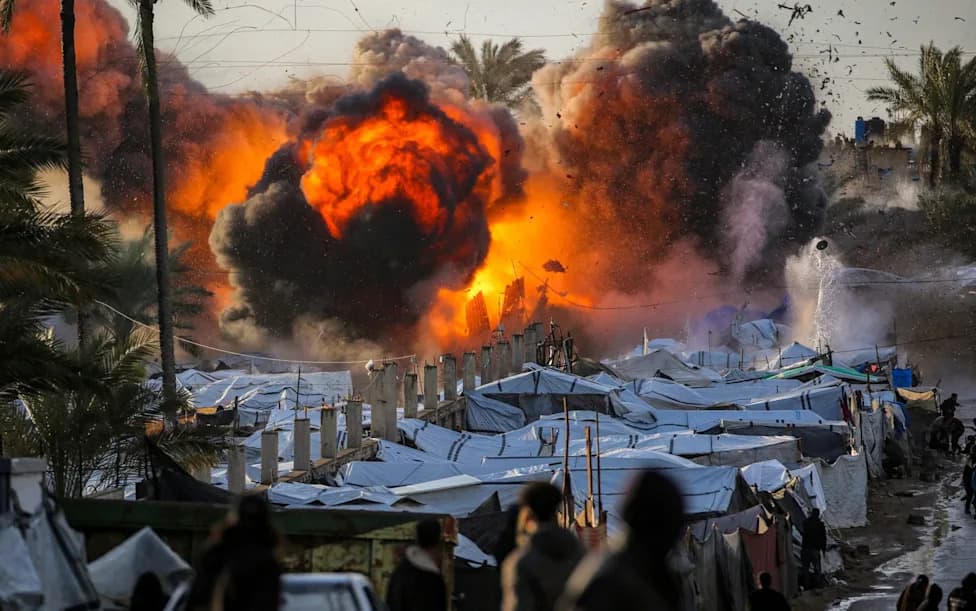
Hegseth is in the midst of a major Pentagon purge, firing many high-ranking officials. / Tommy Gilligan / IMAGN IMAGES via Reuters Connect
Escalating Tension Over Personnel and Priorities
After that exchange, insiders say the pair clashed repeatedly. Hegseth was reported to favor aggressive personnel moves, including firing and blocking promotions — particularly of candidates tied to diversity, equity and inclusion (DEI) efforts — while Driscoll emphasized military modernization and protecting personnel he believed were advancing that agenda.
"All the guys who had guts and were willing to speak the truth about where we needed to go and what we needed to do, they got rid of, right? Because they want people that are compliant and loyal, not people who think," a former senior Army officer told Rolling Stone.
Driscoll himself reportedly faced removal before choosing to resign. He watched a key ally, Army Chief of Staff Gen. Randy George — who was expected to retire in summer 2027 — dismissed in April, which George says came in a "15-second call" and without a clear explanation.
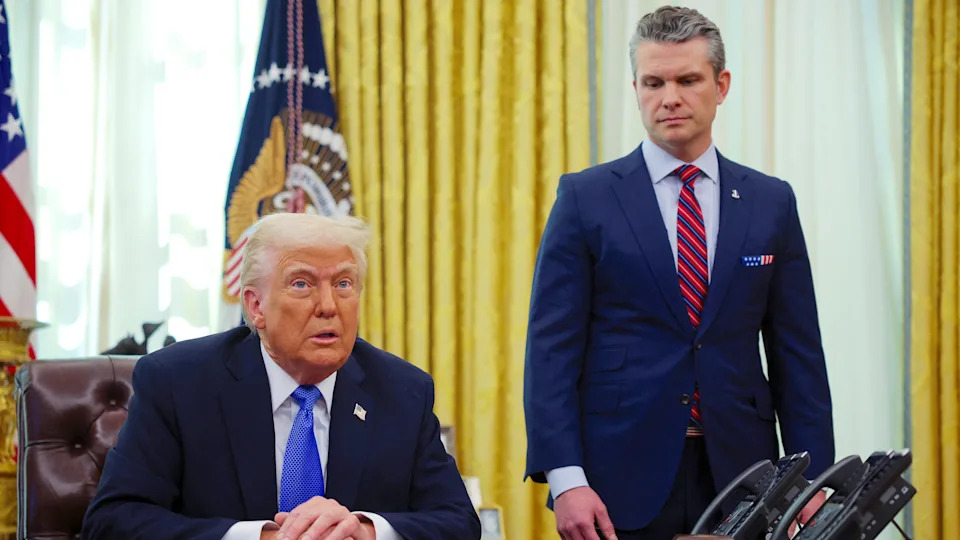
Hegseth is accused of working toward a military of 'culture warriors' who put 'compliance' before 'duty.' / Carlos Barria/Reuters
Driscoll's Perspective
Driscoll acknowledged the relationship was rocky but resisted a one-dimensional portrayal: "Once he makes a decision, there's nothing I can do about it. I don't have to like it," he told Rolling Stone, while also noting, "If you polled us, we probably agreed on more than 50 percent of things."
This account paints a picture of a high-stakes leadership clash within the Pentagon over how to prioritize modernization, personnel loyalty, and institutional culture — disagreements that ultimately contributed to a leadership change at the Army's top civilian post.
Help us improve.