The article explains that recent policy changes and rising enforcement have driven asylum win rates in court from roughly 50% to about 6%, making legal counsel critically important. Rural communities—home to about 1.8 million immigrants—face severe shortages of attorneys, creating “legal deserts.” AI can reduce the 50–75 hours of research and paperwork per asylum case, letting lawyers handle more matters, provided tools are designed with verifiable sources and attorney oversight.
Closing the Door on Asylum? How AI Could Keep It Open in Rural America
Three years ago, an asylum seeker whose case reached a courtroom had roughly a 50 percent chance of winning protection. Today, that probability has fallen to about 6 percent.
Under a rule that took effect this summer, asylum officers may refer applicants directly to immigration court without an interview. That change is part of a broader effort to raise evidentiary standards and shorten timelines with the stated goal of increasing removals. Many legal observers say the practical effect has been to shut the door on a large share of claims, making litigation feel futile for many applicants. Yet in a period of rising ICE arrests, legal representation matters more than ever.
Why Representation Matters
Data show immigrants who are represented by counsel are 4.7 times more likely to obtain relief than those who proceed without a lawyer. Competent attorneys do more than prepare asylum narratives: they identify alternative pathways to protection, verify evidence, and navigate complex procedural barriers. As eligibility rules tighten and case timelines compress, legal expertise is often the difference between protection and deportation.
The Rural Gap
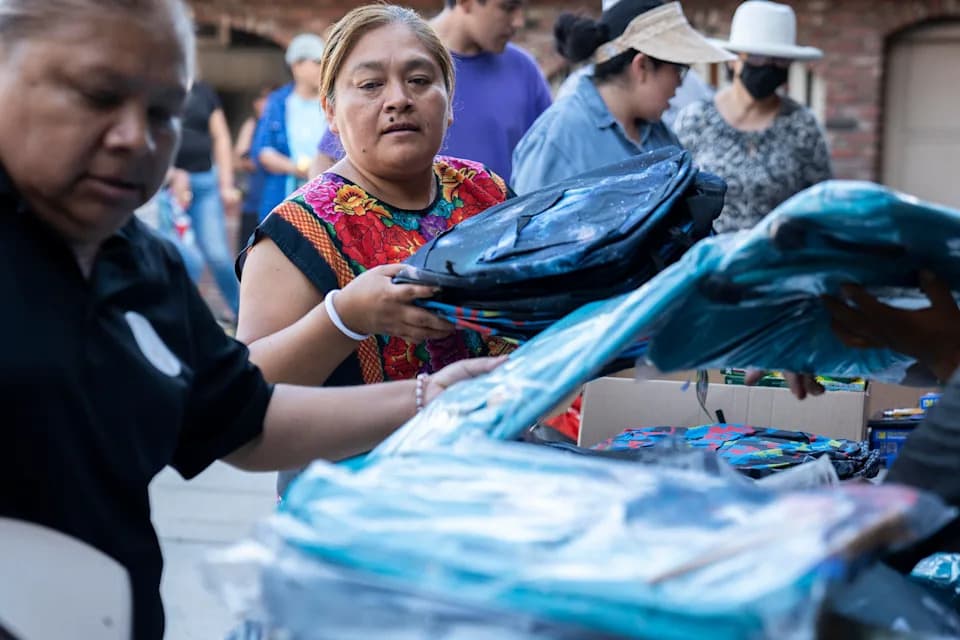
The shortage of legal help is particularly acute in rural America. About 1.8 million immigrants live in rural counties. Although these communities account for only roughly 5 percent of the U.S. population, immigrants make up an outsized share of critical roles—about 28 percent of the rural agricultural workforce and roughly 14 percent of rural surgeons and physicians. Despite that, rural counties hold roughly 20 percent of the U.S. population but only about 2 percent of the nation's practicing attorneys across all fields of law.
Many rural counties have become “legal deserts,” where a handful of attorneys—often stretched thin and doing pro bono work on top of full caseloads—cover thousands of square miles. Clients frequently cannot afford counsel, and travel to the nearest courthouse can take hours, further limiting access to representation.
Where AI Can Help
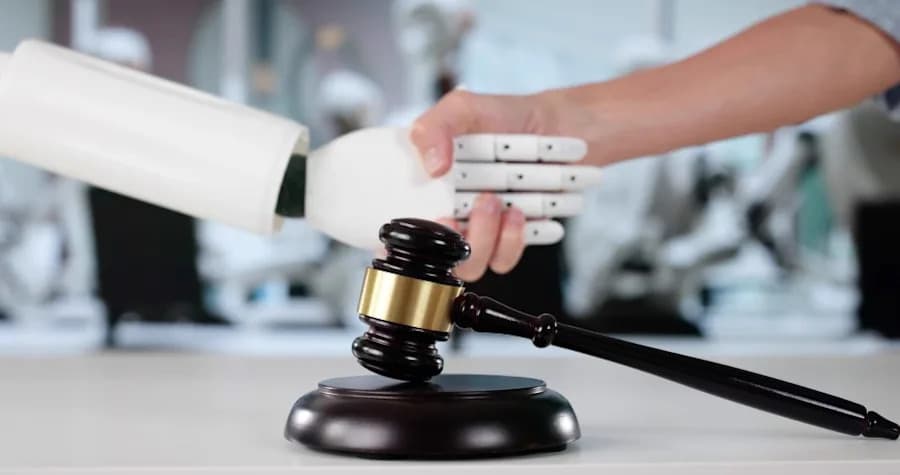
A typical affirmative or defensive asylum application requires about 50–75 hours of focused research, document collection, verification, and case management spread over months. That research-heavy, repetitive administrative work is precisely where AI can create capacity: automating source collection, summarizing background country information, organizing exhibits, and drafting routine documents—freeing attorneys to interview clients, craft legal strategy, and take on more matters.
AI is already being adopted in legal settings. Thomson Reuters reports that its AI for Justice initiative has enabled legal nonprofits to prepare urgent case materials up to 75 percent faster. The Innocence Center reduced the time to prepare a wrongful-conviction petition from one year to six months. And a field study by researchers at the University of California–Berkeley found that 90 percent of legal-aid lawyers given access to generative-AI tools reported increased productivity, largely from research and document-preparation tasks similar to those in immigration work.
Limits and Safeguards
AI tools are not flawless. Risks include hallucinated facts, invented citations, and biased source selection. Thoughtful product design can mitigate these risks through verifiable source requirements, audit logs, provenance tracking, and mandatory attorney review. Importantly, AI should be viewed as leverage for licensed attorneys—not as a replacement. Proper oversight, ethical use policies, and training are essential.
Practical Impact: In under-resourced rural legal deserts, AI can expand capacity so small legal teams can accept more cases, spend more time with clients, and improve the quality of representation.
Personal Note
As a student in the Upper Valley region of Vermont and New Hampshire, I spent three summers conducting case research for a nonprofit immigration practice serving survivors of gender-based violence. I watched attorneys turn away potentially viable cases because of limited staffing. That experience motivated me to develop AI research software to help attorneys compile sources and scale representation.
Ella Tesone is a high school student from Norwich, Vt., and the founder of Asyla LLC, a social enterprise that provides AI-powered software for immigration attorneys.
Help us improve.