On September 28, 2006, a traffic stop near Lakeland, Florida, escalated into a deadly encounter when Angilo Freeland opened fire, killing Deputy Vernon “Matt” Williams and wounding a K‑9 and another deputy. A massive manhunt ended the next morning when a SWAT team found Freeland; nine officers fired, discharging 110 rounds and striking him 68 times. Investigators later tied Freeland to international drug‑trafficking violence and recovered Williams’ stolen service pistol. State and federal reviews cleared the officers, but the scale of the shooting remained a national flashpoint.
“That’s All The Bullets We Had”: The 2006 Lakeland Manhunt That Ended With 110 Rounds Fired
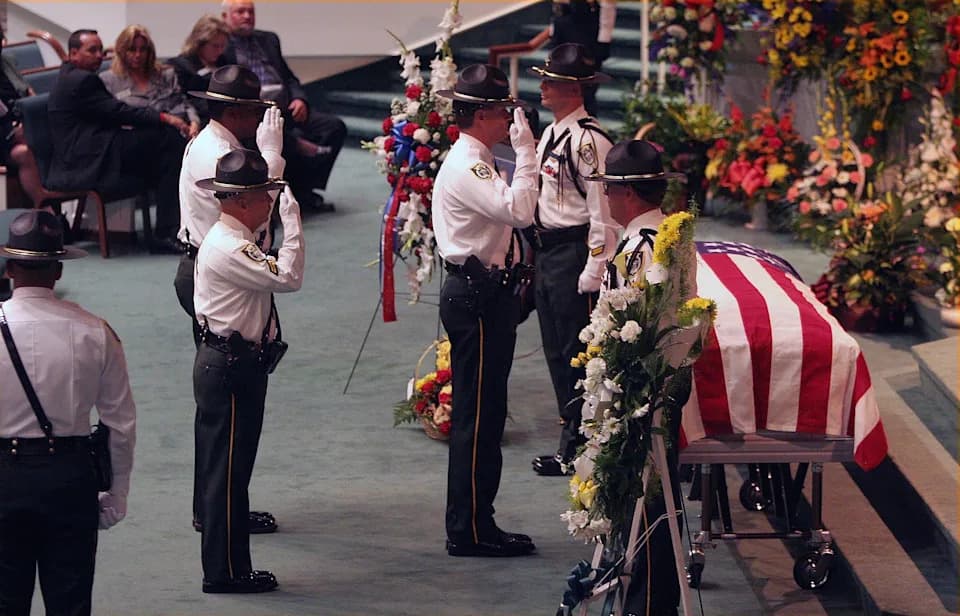
Deputy Williams' funeral.Pool / Getty Images
Remember September 28, 2006. What began as a routine traffic stop near Lakeland, Florida, escalated into one of Polk County’s most intense manhunts and a firefight that drew nationwide attention.
Deputy Vernon “Matt” Williams arrived on scene with his K‑9 partner, DiOGi, after the driver fled into dense woods. During the search, the suspect opened fire. Deputy Williams was killed; DiOGi was shot, and another deputy suffered a leg wound. The suspect, later identified as 27‑year‑old Angilo Freeland, escaped into the timber with Williams’ service pistol.
How a Traffic Stop Turned Deadly
Earlier that morning, Deputy Douglas Speirs had stopped a silver Dodge Stratus rental for speeding. The driver produced a suspicious ID identifying him as “Eswardo Ramclaim.” He admitted he did not have a valid Florida driver’s license and said he didn’t know his Social Security number. Concerned by the false identification, Speirs radioed for backup. While Speirs monitored the driver from his patrol vehicle, the man suddenly fled on foot into the woods. That flight set in motion the multi‑agency response that followed.
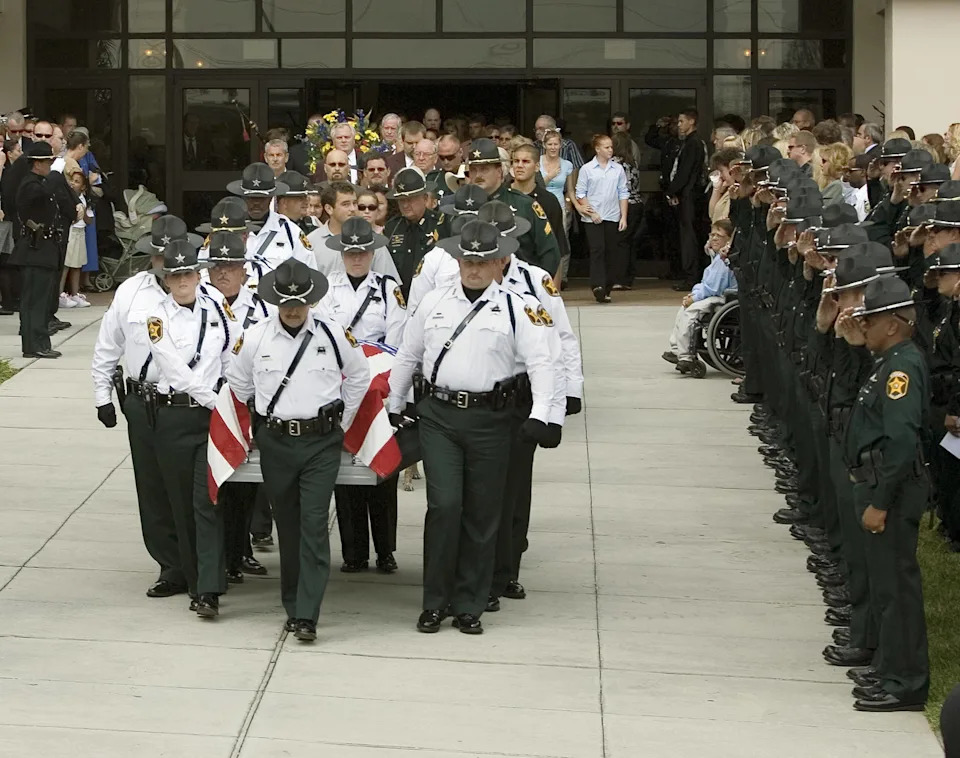
Deputy Williams' funeral.Pool / Getty Images
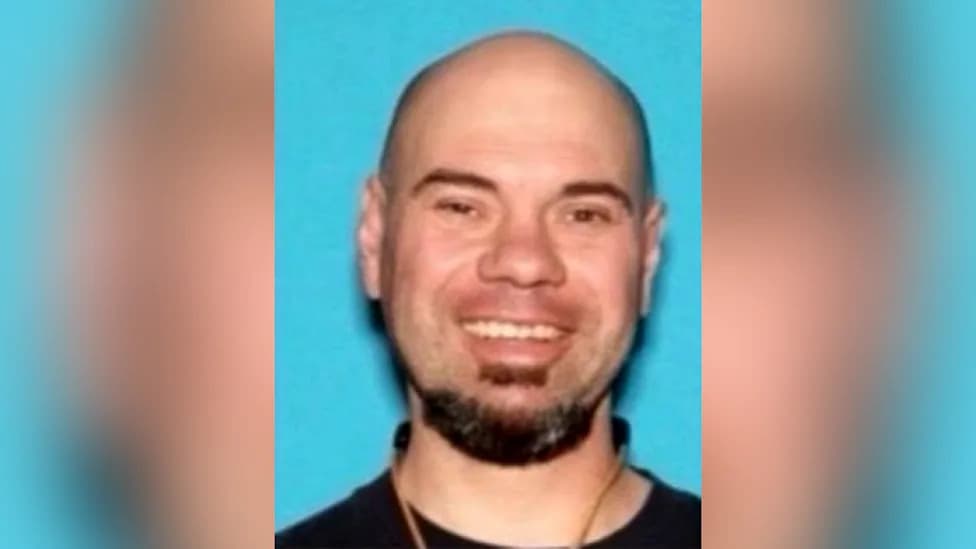
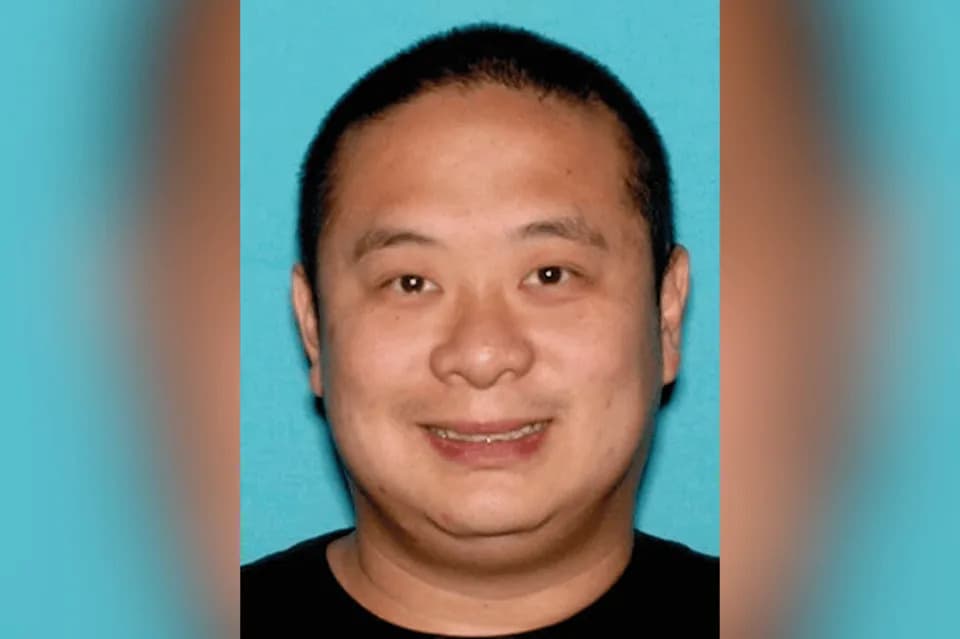
Who Was Angilo Freeland?
Investigators later produced a portrait of Freeland that went far beyond a typical traffic offender. Authorities said he had used a false identity, carried a loaded 9 mm Taurus in a waistband holster, and had a prior history of fleeing law enforcement. A multi‑agency probe led by Polk County Sheriff Grady Judd concluded Freeland functioned as a paid enforcer for an international drug‑trafficking network. Investigators reported finding ledgers of drug transactions, assault rifles, and a journal with violent entries, and they linked him to multiple killings in Latin America.
The Manhunt And Final Confrontation
The shooting of Deputy Williams prompted a massive manhunt involving roughly 500 officers; schools were placed on lockdown and residents were urged to stay inside. At about 9:35 a.m. the next morning, a 10‑member SWAT team located Freeland hiding beneath heavy vegetation and a fallen oak. He still possessed the stolen service pistol.
According to investigators, officers ordered Freeland to show his hands. He made a sudden movement while holding the firearm, and nine of the 10 SWAT officers opened fire. In total, officers discharged 110 rounds; 68 rounds struck Freeland. The barrage lasted only seconds, but the scale of the shooting dominated the national conversation.
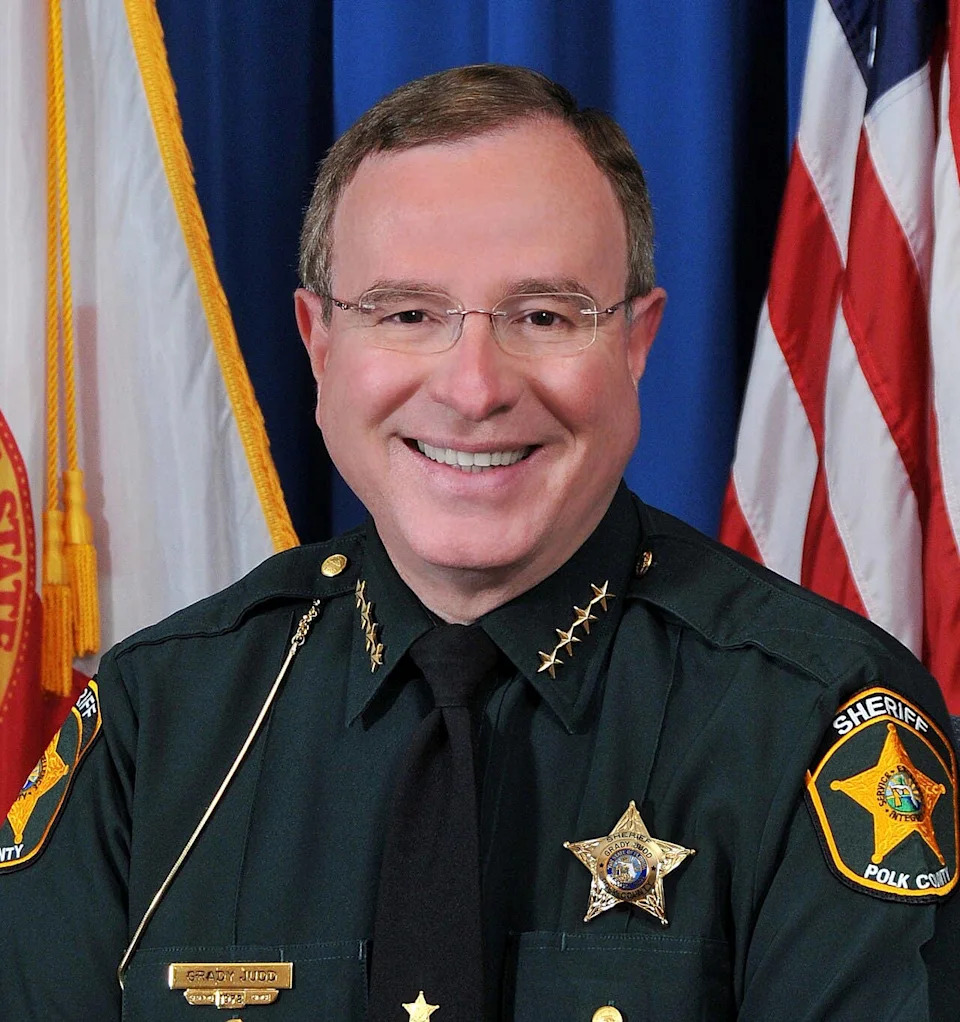
Florida Sheriff's Website - Public Domain, Wikimedia.
Sheriff Grady Judd was widely quoted after the shooting saying, “That’s all the bullets we had, or we would have shot him more.” The blunt remark helped cement the incident as a controversial and high‑profile example of a deadly police encounter.
Reviews, Reactions, And Aftermath
Freeland’s family and civil‑rights advocates questioned why so many rounds were fired. The Polk County State Attorney’s Office reviewed the incident and, in March 2007, concluded the officers were justified because Freeland’s movement created a reasonable fear of imminent harm. The U.S. Department of Justice completed a federal civil‑rights review in June 2008 and declined to file charges, finding no civil‑rights violations.
Regardless of the legal findings, the images and numbers from that September morning—one slain deputy, a wounded K‑9, a stolen service weapon, nine officers firing, 110 rounds discharged, and 68 documented hits—left a lasting impression on law‑enforcement policy debates and public discussion about use of force.
Timeline (Quick)
- Sept 28, 2006: Traffic stop for speeding; driver flees into woods; Deputy Williams and K‑9 DiOGi are shot.
- Sept 29, 2006: SWAT locates suspect; nine officers fire; 110 rounds discharged, 68 hits on suspect.
- Mar 2007: State Attorney reviews and clears officers.
- Jun 2008: DOJ declines to bring federal civil‑rights charges.
Originally published by Men’s Journal on October 4, 2026.
Help us improve.