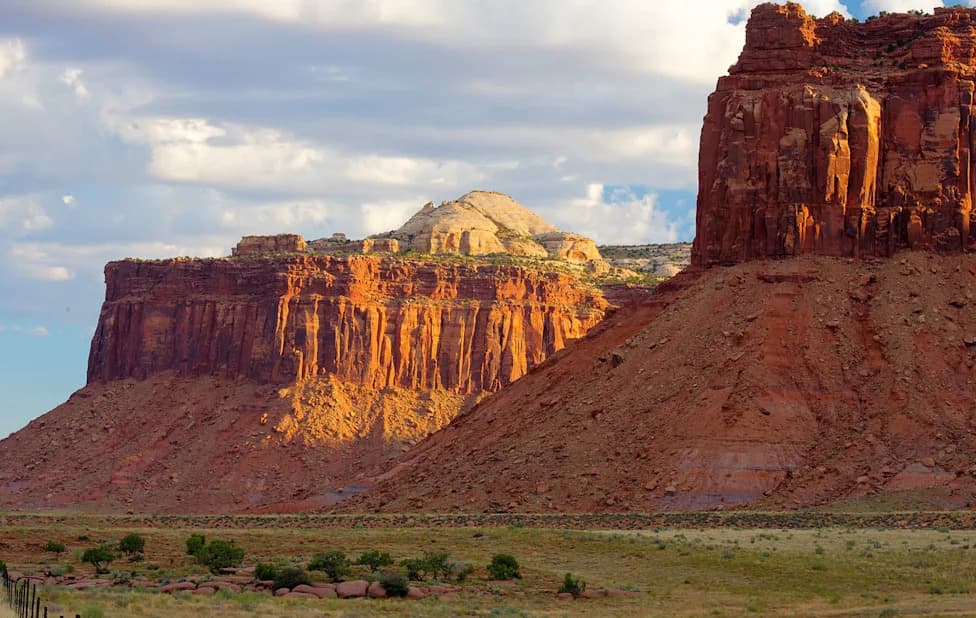
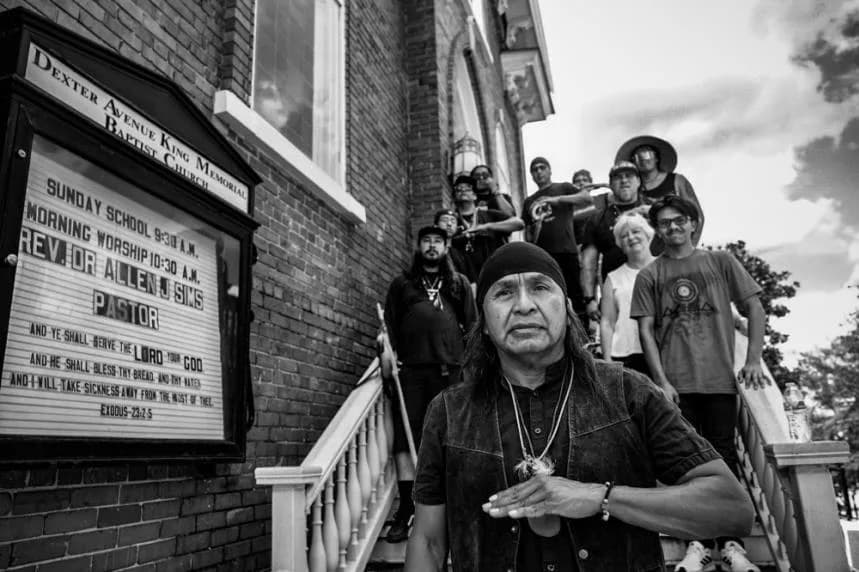
The White Mesa Ute Community will hold its 10th annual spiritual walk on October 17 at 11 a.m. MDT to protest the Energy Fuels White Mesa uranium mill and to highlight risks from radioactive waste to water, land, culture and sacred sites. Participants will walk about five miles from the community center to the mill, calling attention to long-distance ore transport, increased mining claims near Bears Ears and frequent uranium truck traffic on Highway 191. Community leaders report rising water acidity and heavy metals that have forced changes to ceremonial practices and local food gathering.
White Mesa Ute Community Holds 10th Spiritual Walk to Protest Uranium Mill, Protect Water and Sacred Sites
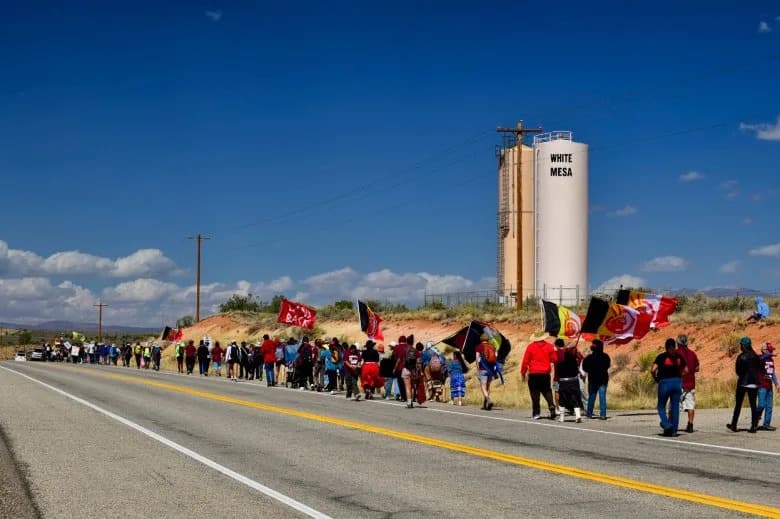
The White Mesa Ute Community will hold its 10th annual spiritual walk on Saturday, October 17, beginning at 11 a.m. MDT, to protest the nearby Energy Fuels White Mesa uranium mill and to raise alarms about radioactive waste and its potential impacts on community water, air, land, cultural practices and sacred sites.
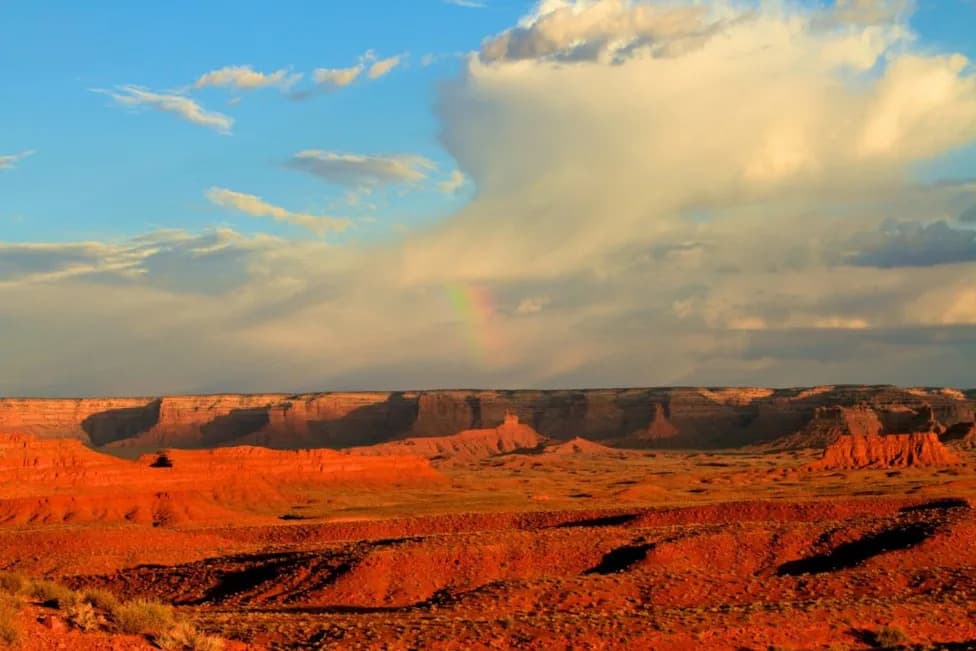
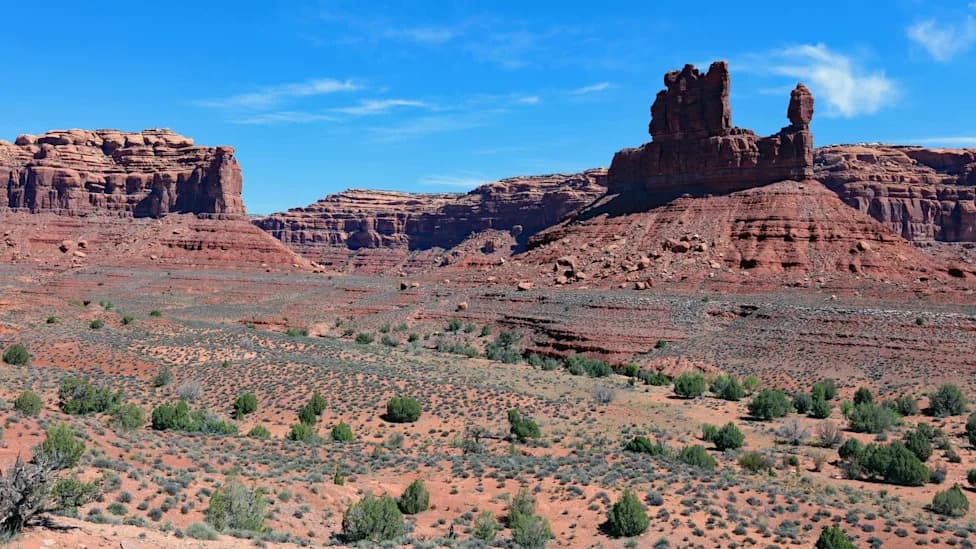
The community-led rally begins at the White Mesa Ute Community Center. From there participants will walk roughly five miles on mostly flat pavement toward the Energy Fuels mill, which sits just north of the community and east of Bears Ears National Monument. Organizers invite tribal citizens, Utah residents and supporters from across Indian Country and beyond to attend in solidarity.
Why the Walk Matters
Leaders of the White Mesa Ute Community and the Ute Mountain Ute Tribe's Environmental Programs Department have long raised concerns about contamination linked to the mill, the storage of radioactive waste in nearby pits, and potential desecration of sacred places. Community members say changes in local water quality have already altered traditional practices.
"They want to expand the mill's waste pits south towards our reservation," said Yolanda Badback, cofounder of White Mesa Concerned Community. "We are standing up and doing whatever we can to stop that from happening. We are a small community. We cannot do this alone. Please come join our walk and show the State of Utah and the world that we've had enough. Our children need clean water to drink and clean air to breathe. Your radioactive waste is not welcome here."
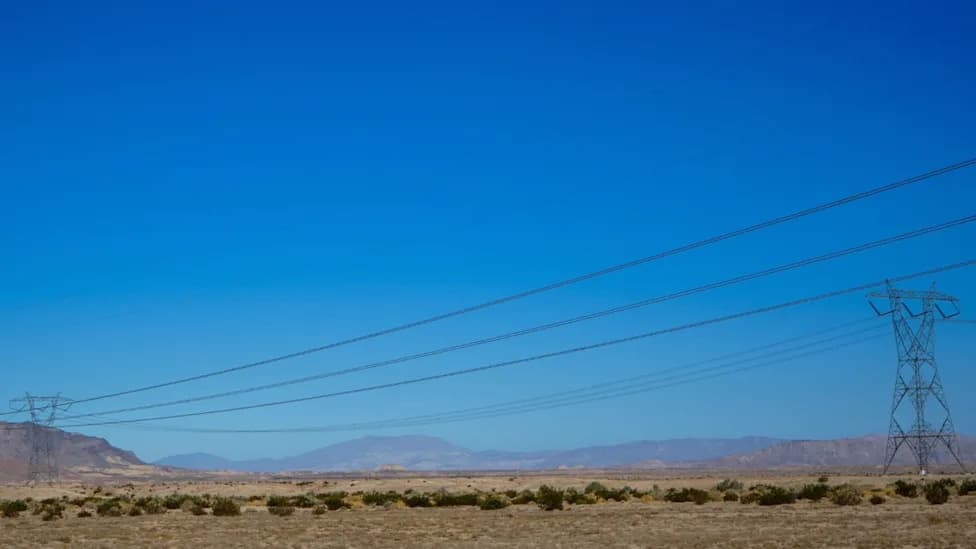
Organizers point to the broad scale of materials processed at the mill: uranium ore is trucked from operations across the Southwest, including shipments from the Pinyon Plain Mine near the Grand Canyon—more than 300 miles away—and from the company-owned La Sal Mines Complex, about 60 miles distant. Environmental advocates also report dozens of new mining claims in areas removed from Bears Ears National Monument.
Residents are particularly concerned about safety and transport risks. Highway 191 runs through the community and is used by local children traveling to school; uranium haul trucks regularly pass the reservation. Community members note recent accidents involving uranium haul trucks on the Navajo Nation this year, underscoring the danger of spills and vehicle crashes.
Cultural and Environmental Impacts
Beyond acute safety risks, community members describe long-term environmental changes that have affected cultural life. As Anferny Cly of White Mesa Concerned Community explained, "The water under the mill is becoming more and more polluted and is moving toward our community. The acidity of the water is increasing, and heavy metals are rising." Residents say they no longer can safely drink spring water for ceremonies, hunt near their homes, or gather plants for food and basketry as they once did.
Organizers also note the mill's connections beyond the region: Energy Fuels has pursued projects sourcing materials from other parts of the world, including Madagascar, where Indigenous communities have likewise opposed mining activities.
Event Details and Safety
The rally begins at 11 a.m. at the White Mesa Ute Community Center, located on the west side of Highway 191—turn west at the gas station and go one block south. The five-mile route is relatively flat. Participants are advised to wear comfortable shoes, bring plenty of water, and plan for sun exposure. A limited number of vehicle seats will be available for elders and for anyone unable to complete the full walk.
The annual spiritual walk is both a public protest and an act of solidarity with Native and other communities worldwide affected by uranium mining, radioactive materials and nuclear waste. The White Mesa Ute Community is asking supporters to join to help protect water, air, land, culture and sacred sites.
Note: Attendees should follow local guidance from organizers on safety, parking and accessibility. Those who cannot attend are encouraged to share information about the walk and support the community's call for stronger protections.
Help us improve.