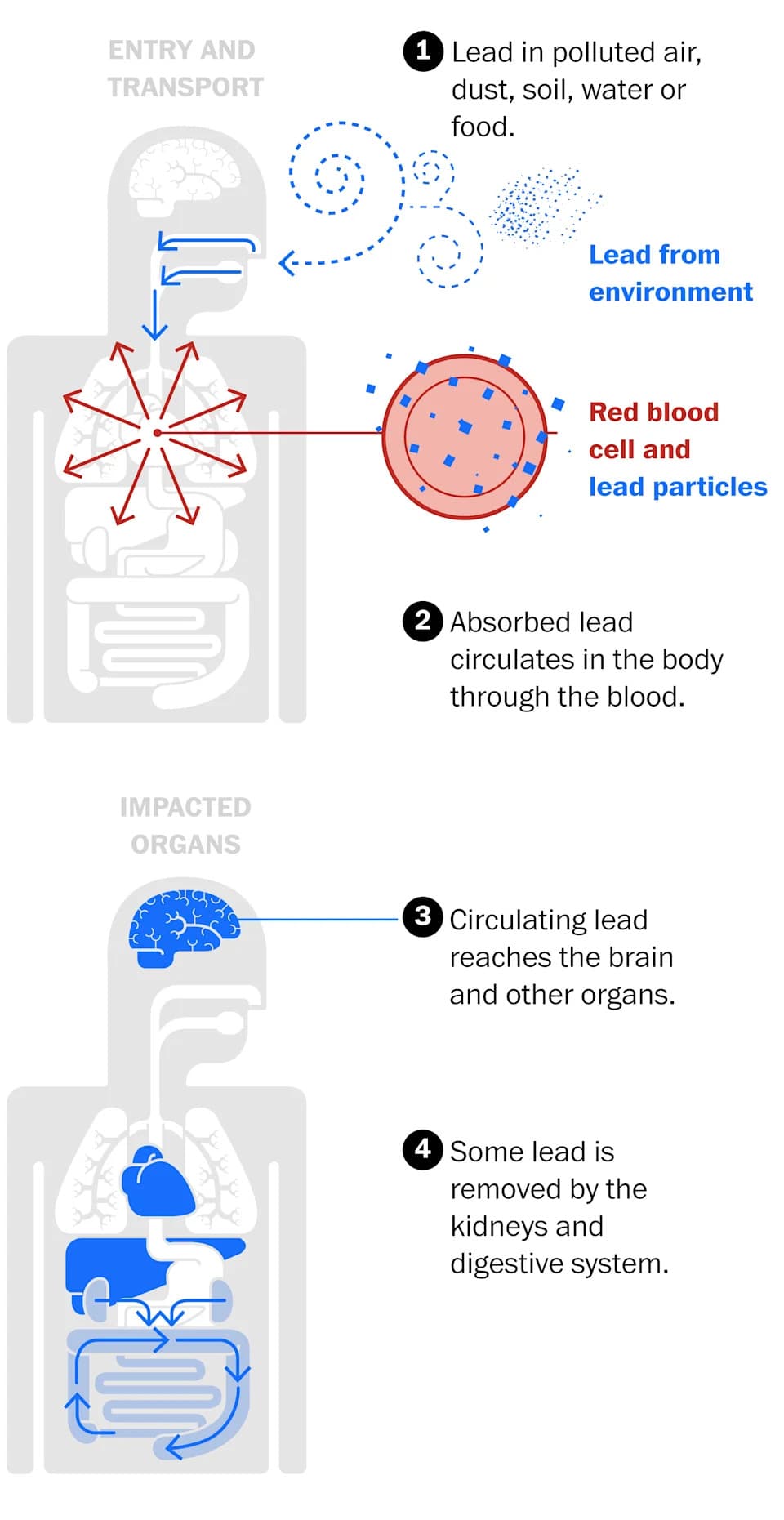
A Clean Label Project analysis detected lead in 99 of 100 cat food products and found cadmium in 96% and arsenic in 94% of samples. The study of 62 brands showed the highest-lead items had more than three times the lead of the least contaminated, and dry food contained about three times more lead overall. Fish-based formulas often had higher mercury, while poultry-based products generally performed better. Researchers warned that cats’ limited dietary variety can make such contaminants a steady source of exposure.
Study Finds Lead in 99 of 100 Cat Foods; Dry Kibble, Fish-Based Formulas Most Affected
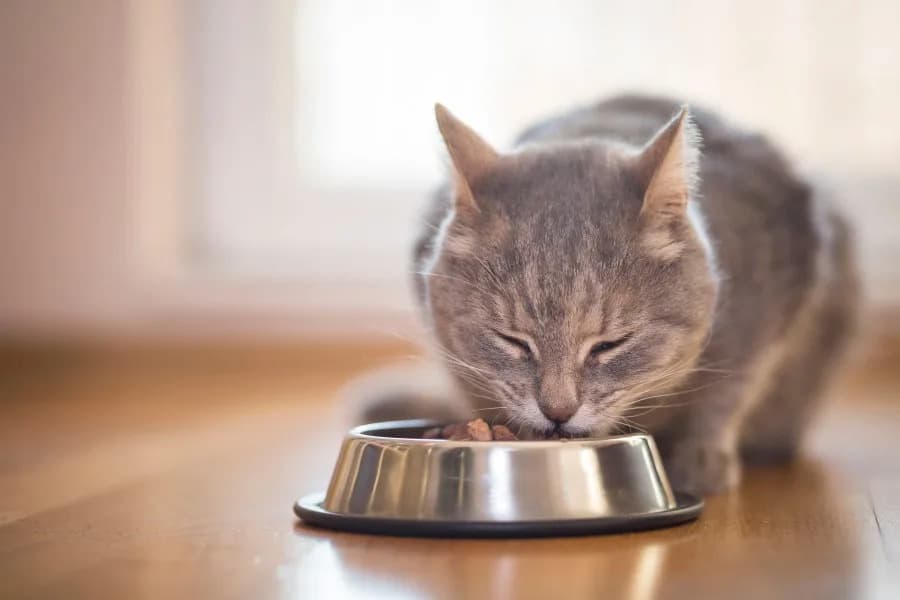
Lead found in nearly all cat foods tested in new study
A new independent analysis by the Clean Label Project detected lead in 99 out of 100 cat food products tested, along with widespread traces of other heavy metals and residues.
The study screened 62 brands of wet and dry cat food at an independent laboratory. Researchers found cadmium in 96% of samples and arsenic in 94%. According to the report, the most contaminated products contained more than three times the lead levels of the least contaminated ones.
"Because they are so common, the question is not whether a product contains heavy metals, but whether it contains relatively high or low levels compared with other products," the study said.
Key patterns: Dry cat food contained roughly three times more lead overall than other product types. Poultry-based formulas generally performed better than fish- and seafood-based products. Nearly half of the fish-based items ranked among those with the highest mercury measurements. Even some products with plant-based ingredients showed detectable herbicide residues.
Although regulatory contaminant limits exist for pet foods, many of those limits are derived from human health standards and broad dietary assumptions rather than pet-specific data. Health experts emphasize that no amount of lead is considered safe, particularly for animals that may be exposed day after day.
"Most cats eat the same foods, or a small rotation of foods, every day for their entire lives," the paper warned. "Without any dietary variety, any contaminants present in the foods a cat eats can become a consistent and ongoing source of exposure, potentially accumulating in their bodies over the course of their lives."
Pet owners concerned about contamination can discuss dietary choices with their veterinarian, consider rotating protein sources, and look for brands that publish third-party testing results. The Clean Label Project’s findings underline the value of transparency and independent testing in the pet food industry.
Help us improve.