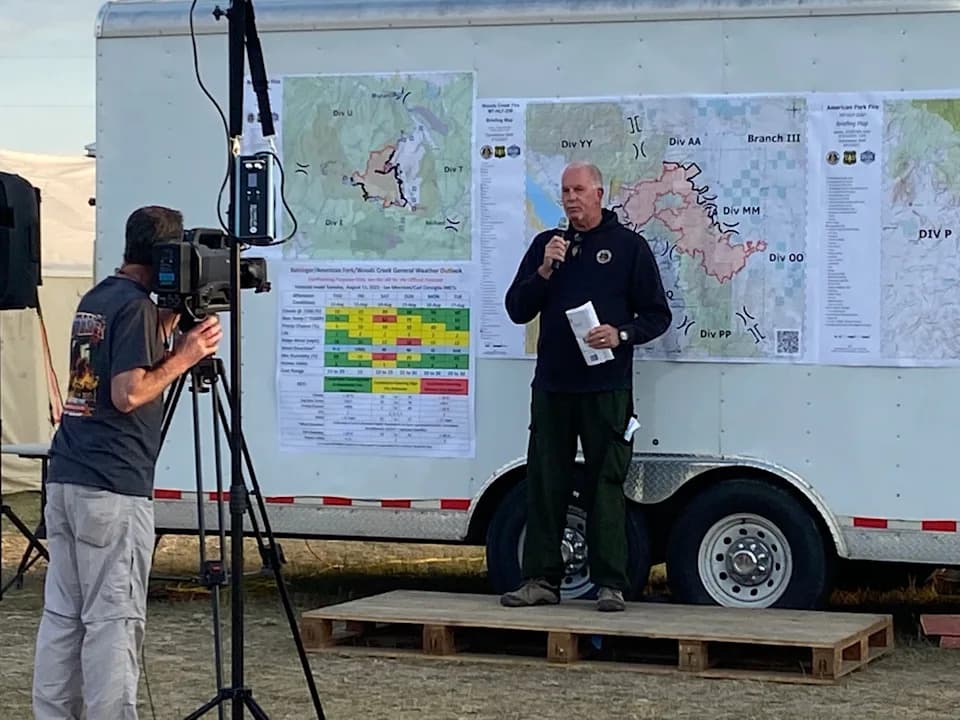
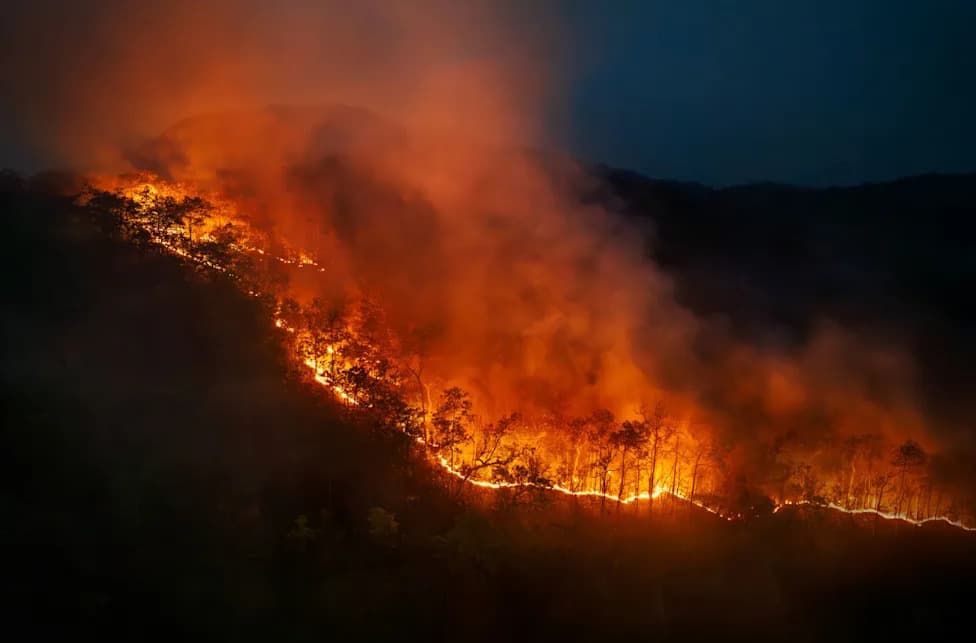
The USDA has proposed repealing the 2001 Roadless Area Conservation Rule, which currently protects about 45 million acres of national forest. The Forest Service filed a repeal proposal and draft environmental impact statement in Aug. 2026, and the public comment period now runs through Oct. 6. USDA argues repeal would give local managers more flexibility to address wildfire risk; conservation groups counter that roads increase ignition density and that rescinding protections would threaten wildlife, water supplies, recreation and local economies.
45 Million Acres of National Forests Could Lose Roadless Protections — Public Comment Open Until Oct. 6
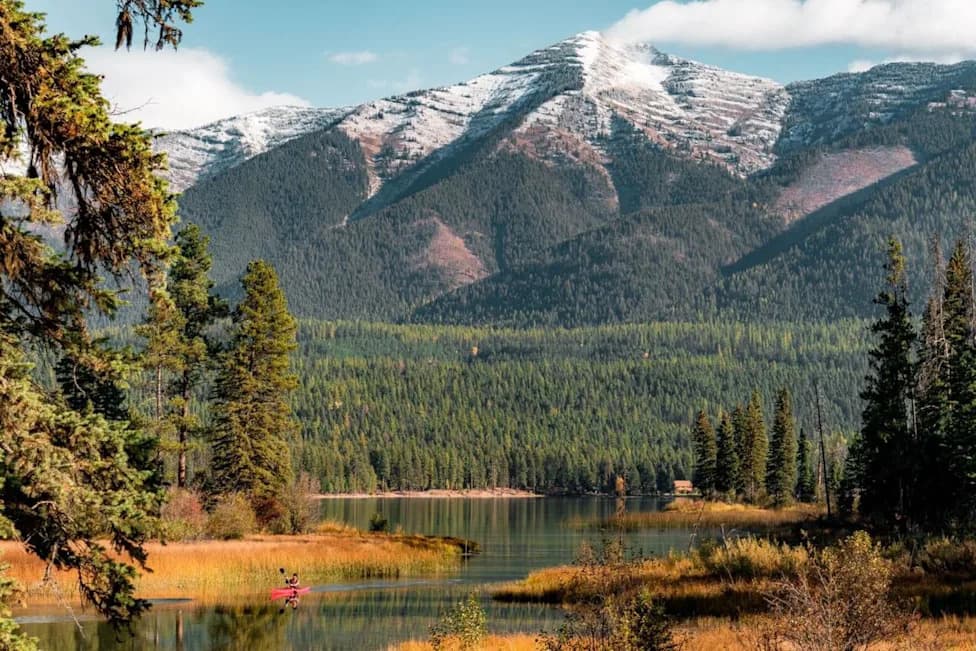
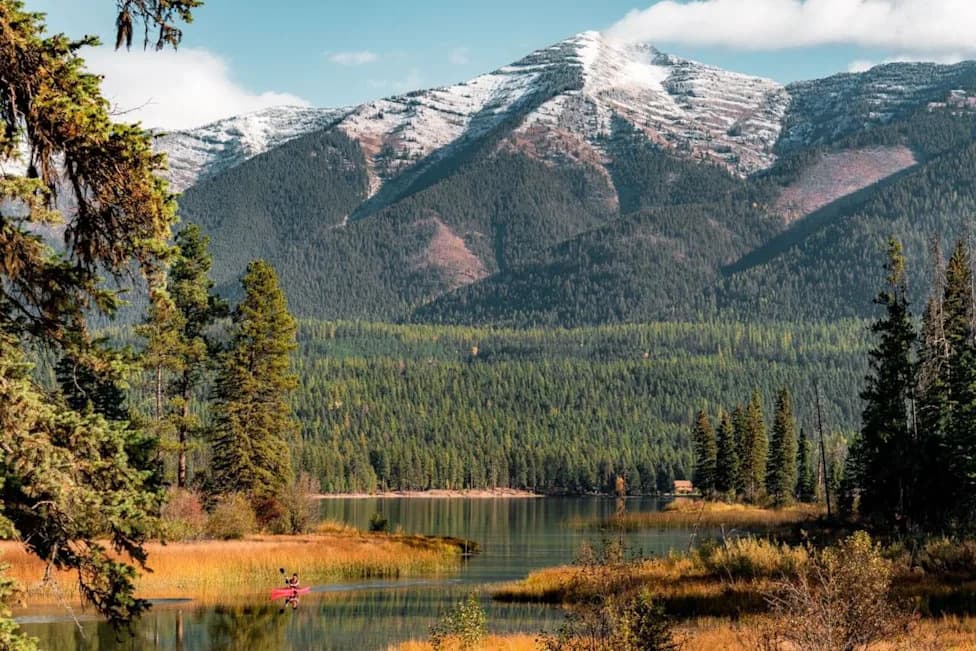
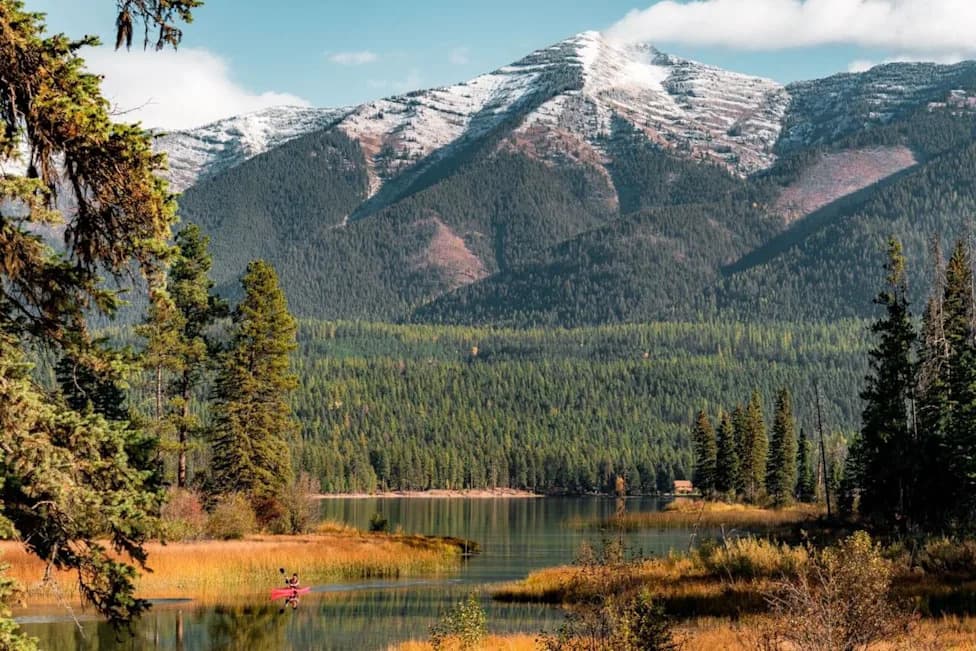
Flathead National Forest in Montana. Photo credit: Your Forests Your Future / US Forest Service
The U.S. Department of Agriculture (USDA) has proposed rescinding the 2001 Roadless Area Conservation Rule, which currently protects roughly 45 million acres of largely undeveloped national forest. The Forest Service filed a formal repeal proposal and a draft environmental impact statement on Aug. 18, 2026. The public comment period — originally set to close Sept. 21 — was extended and now ends on Oct. 6.
What the Rule Does
Adopted in 2001 during the Clinton administration, the Roadless Rule limits new road construction and commercial timber harvesting across large, road-free landscapes to protect wildlife habitat, drinking-water sources, and recreation opportunities. The rule initially covered about 60 million acres; after Idaho and Colorado adopted state-specific rules, approximately 45 million acres remain under the federal standard.
USDA’s Rationale for Rescission
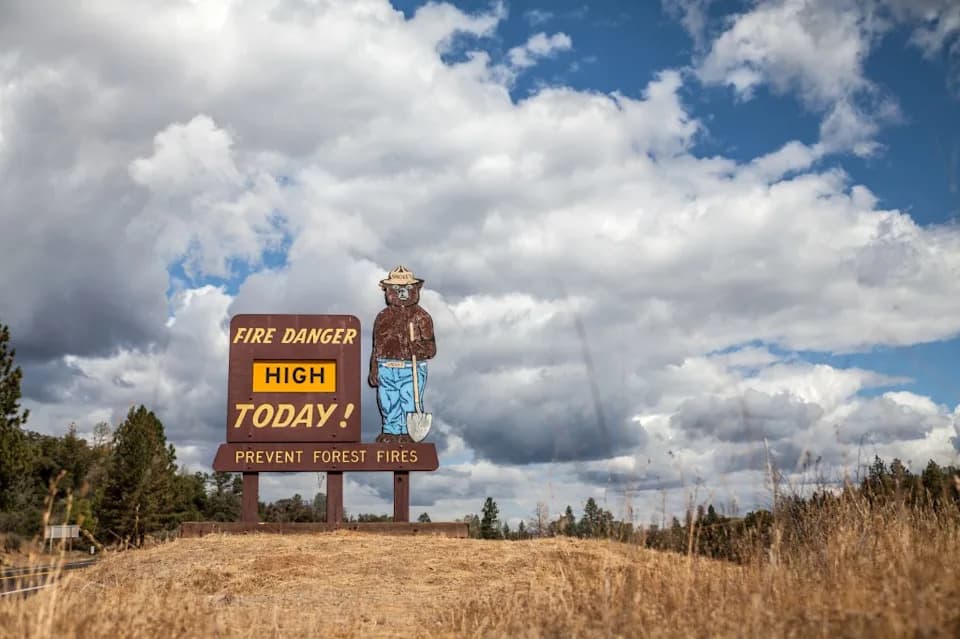
USDA Secretary Brooke L. Rollins first announced plans to rescind the rule on June 23, 2025. The department argues the Roadless Rule can constrain local forest managers from taking actions to reduce wildfire risks — for example, by limiting road access needed for hazardous-fuel treatments and other active management. The Forest Service’s draft environmental impact statement notes that more than 40% of inventoried roadless areas have high or very high wildfire hazard potential, yet only about 5% of those areas have received hazardous-fuel treatments since 2014.
Scientific and Public Opposition
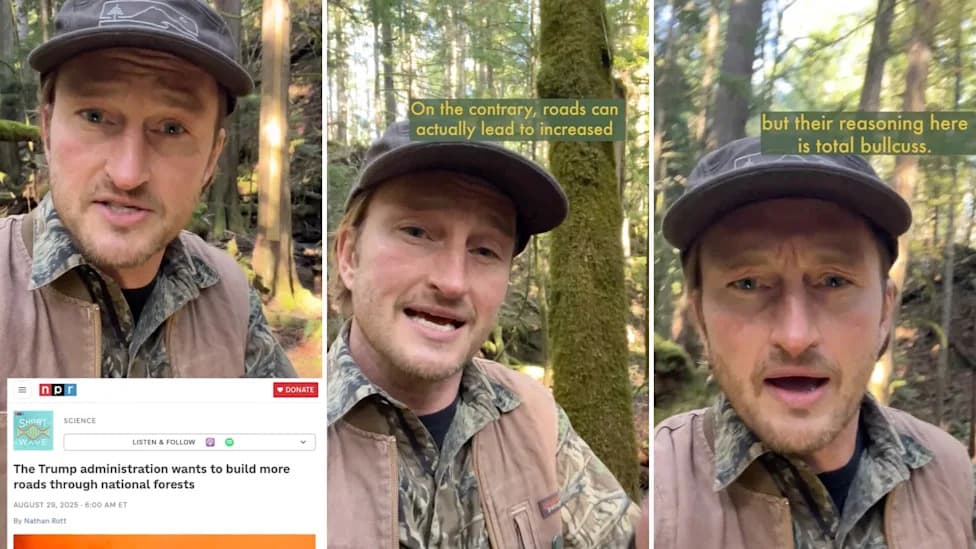
Environmental groups, scientists and many firefighters dispute the USDA’s argument. Research published in January 2026 by Gregory H. Aplet, Phil Hartger and Matthew S. Dietz found that wildfire ignition density on national forest lands was roughly four times higher within 50 meters (164 feet) of roads than in inventoried roadless areas. The Western Fire Chiefs Association reports that people cause nearly 90% of U.S. wildfires, often from discarded cigarettes, unattended campfires, debris burning and equipment malfunctions — all risks that increase with human access and roads.
"The Roadless Area Conservation Rule... protects important wildlife habitat for imperiled species, clean drinking water sources for millions of Americans, and world-class recreation opportunities," said Tim Preso, an attorney at Earthjustice.
Abigail Dillen, president of Earthjustice, said scientists, wildland firefighters and many members of the public oppose the rescission and noted that Earthjustice has defended the rule for 25 years. Bobby McEnaney of the Natural Resources Defense Council emphasized that keeping large, intact ecosystems gives land managers more options to respond to drought, fire and other climate pressures.
Economic and Recreational Concerns
Rescinding the rule could also affect local economies that depend on intact forests. Outdoor Alliance estimates the affected areas contain more than 25,000 miles of trails, nearly 1,000 miles of whitewater and over 10,000 miles of mountain-bike routes. In Alaska, tourism and commercial fishing stakeholders warn that opening areas like parts of the Tongass National Forest to more road-building and logging would threaten wild salmon, scenery and recreation-based businesses that currently sustain local communities.
Trade-Offs and Next Steps
The Forest Service says rescinding the rule would return more discretion to local managers to determine where roads and active forest treatments are needed. The draft environmental impact statement also acknowledges trade-offs; the agency notes that increasing road density raises the probability, number and frequency of wildfire ignitions.
How To Comment
Oct. 6 is the deadline to submit public comments on the USDA proposal and its draft environmental analysis. The Forest Service will review comments before deciding whether to proceed with the repeal, modify the proposal, or abandon it. The USDA prefers electronic submissions via docket FS-2025-0001 or RIN 0596-AD66. Mailed comments can be sent to: Director, Ecosystem Management Coordination, 201 14th Street SW, Mailstop 1108, Washington, DC.
Note: Sponsored content by Earthjustice is disclosed; The Roam Report retains editorial independence and the brand did not review or approve this content before publication.
Help us improve.