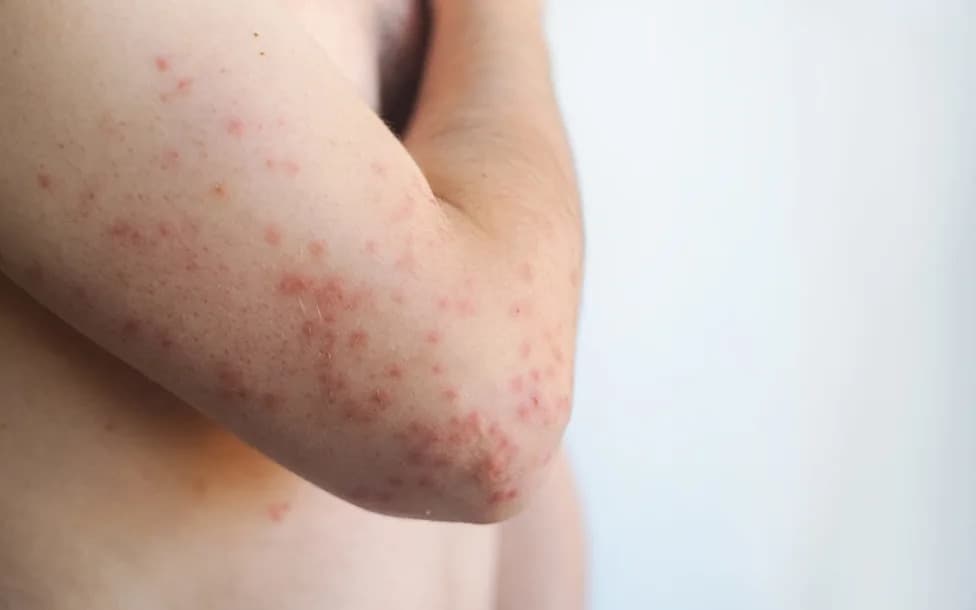
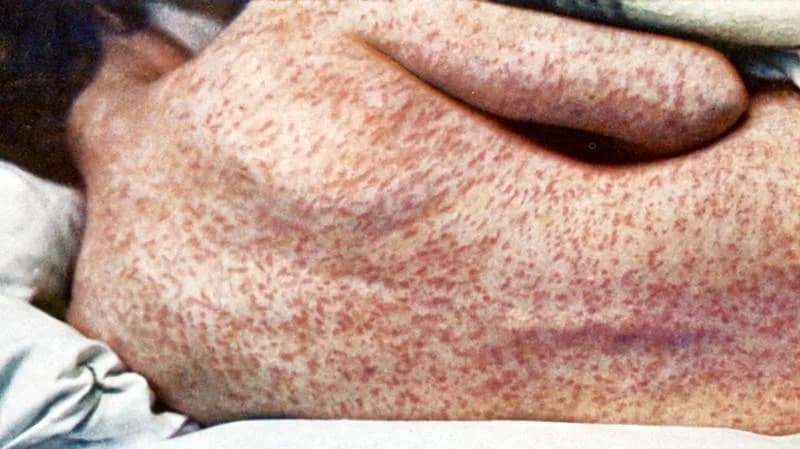
Pennsylvania is bracing for further spread of a measles outbreak that has caused five deaths and 943 confirmed cases across 39 counties. Lancaster County—without its own health department—accounts for 381 cases, largely among Amish and similar Plain communities with low MMR uptake. County health directors say local departments, expanded vaccination clinics and partnerships with pharmacies are critical to controlling the outbreak while combating misinformation and access barriers.
Pennsylvania Warns Measles Outbreak Could Spread Beyond Lancaster as Cases Reach 943 and Fifth Death Is Confirmed
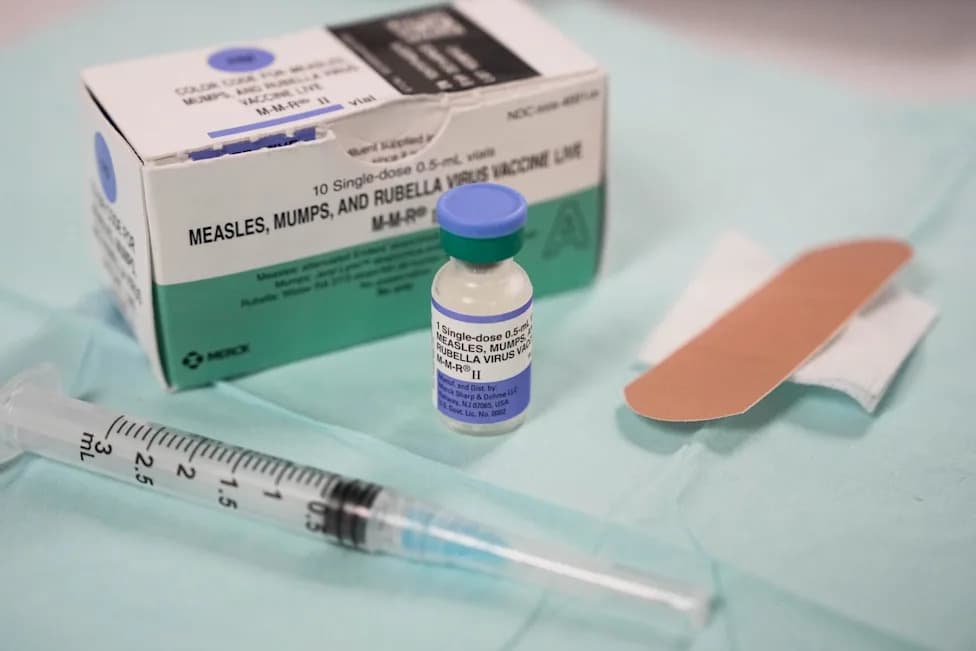
The measles outbreak has hit the state's Amish community, which has low vaccination rates, particularly hard.Photograph: Raquel Natalicchio/Houston Chronicle via Getty Images
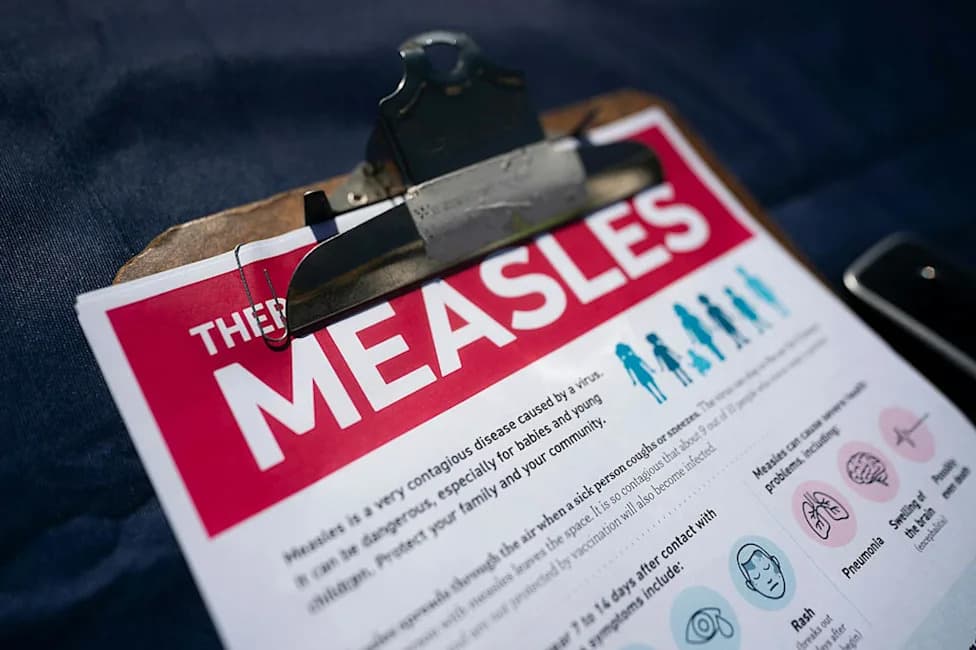
Pennsylvania health officials are preparing for a wider spread of measles after the state recorded its fifth death linked to the disease and 943 confirmed cases across 39 counties. Public-health leaders say the outbreak is unfolding amid growing vaccine skepticism in parts of the U.S., a trend amplified by high-profile critics of vaccination.
Outbreak Concentrated in Lancaster County
Lancaster County— which does not operate its own county health department—has reported 381 cases, the largest single-county total. Officials believe most infections are concentrated among Amish and similar Plain-community populations, groups that historically have lower uptake of the measles, mumps and rubella (MMR) vaccine. Local leaders, clinicians and community members are pursuing creation of a county health department to strengthen the response.
County-Level Capacity and the State’s Patchwork System
Only seven of Pennsylvania’s 67 counties maintain their own health departments, leaving many counties reliant on state resources or regional coordination. Health directors say that local departments provide critical infrastructure, relationships and flexibility that help speed outbreak control.
"These types of disease don't care about borders," said Jeanne Franklin, director of Chester County's health department. "It's going to keep going and find a person who isn't vaccinated."
Franklin said Chester County—third highest in case counts with 83 confirmed infections—is preparing for cases to move in from neighboring Lancaster. She emphasized that many unvaccinated Amish residents are not motivated by anti-vaccine ideology but by limited contact with health care or limited awareness, and that local public-health teams are engaging respectfully to inform and offer vaccination.
Surveillance, Vaccination and Fighting Misinformation
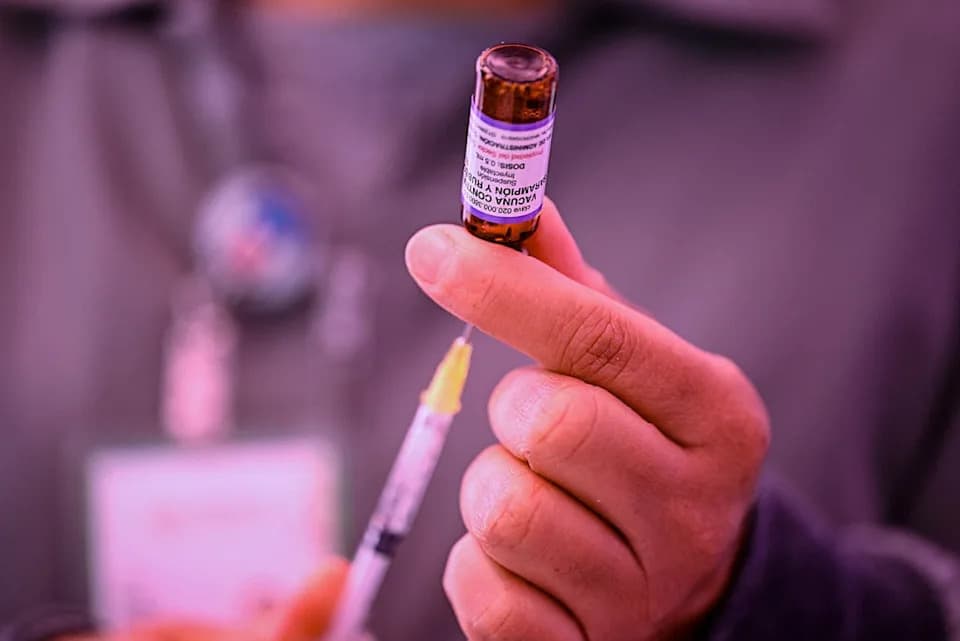
Counties with active public-health teams are increasing surveillance, stepping up contact tracing, and opening community vaccination clinics. Officials report encountering dangerous misinformation, including claims that vaccines cause infertility or contain tracking devices, and are prioritizing outreach to counter those falsehoods.
Dr. Richard Lorraine, medical director of Montgomery County’s office of public health, said the county is focused on immunization and partnering with pharmacies and community groups to ensure vaccines are available to residents regardless of insurance status.
Lora Werner, director of Delaware County’s health department, said the county faces particular challenges after the collapse of Crozer Health, the area’s largest pediatric-care provider. While Delaware County overall has high vaccination rates, pockets of low coverage exist and create vulnerability to outbreaks.
What Officials Are Doing—and What Residents Can Do
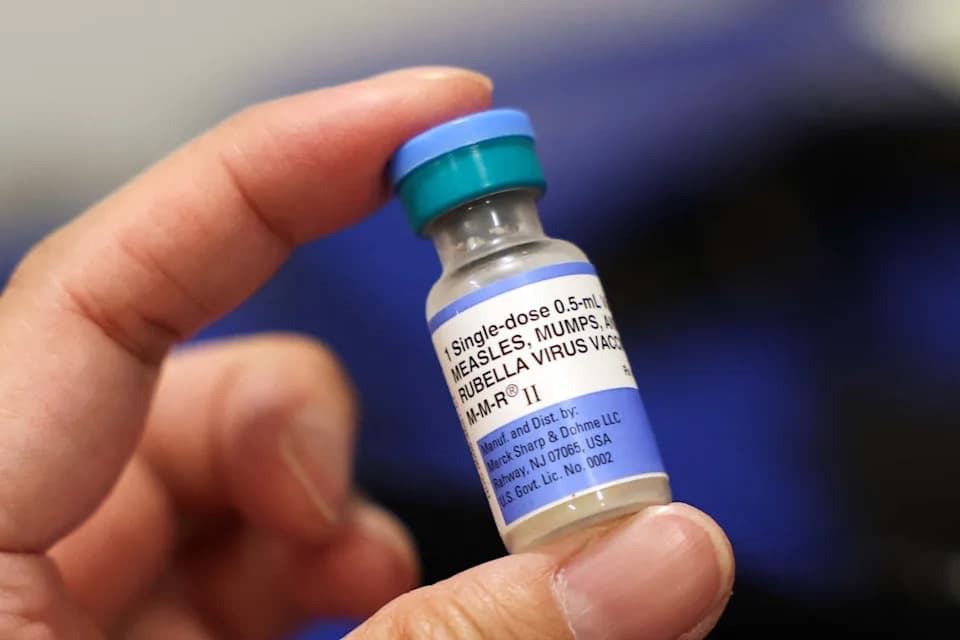
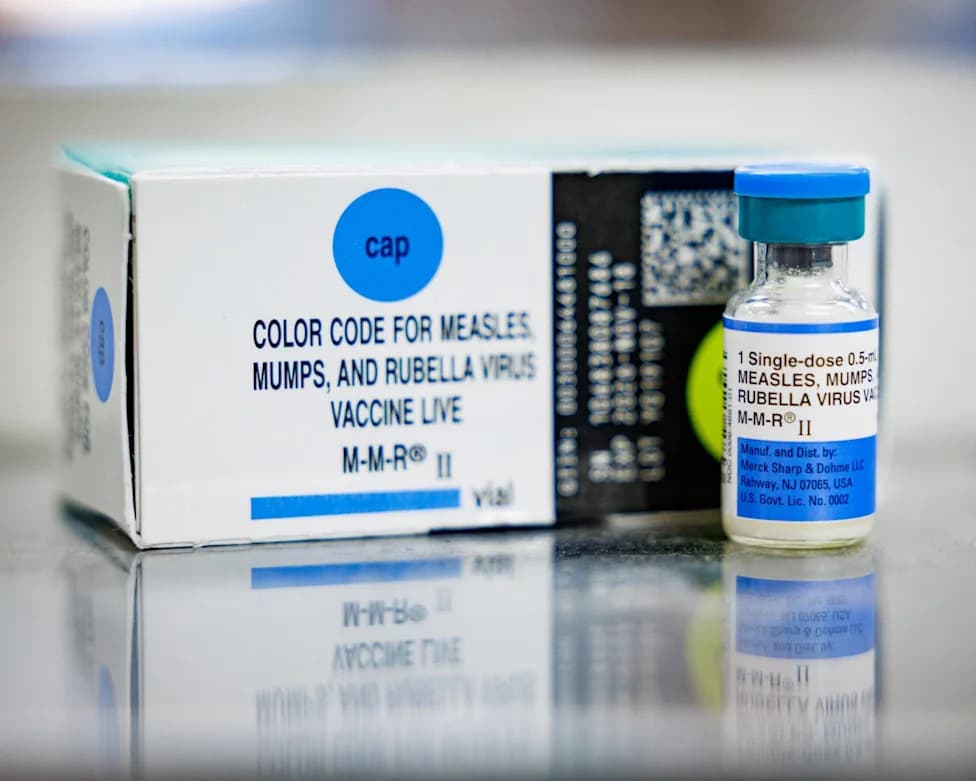
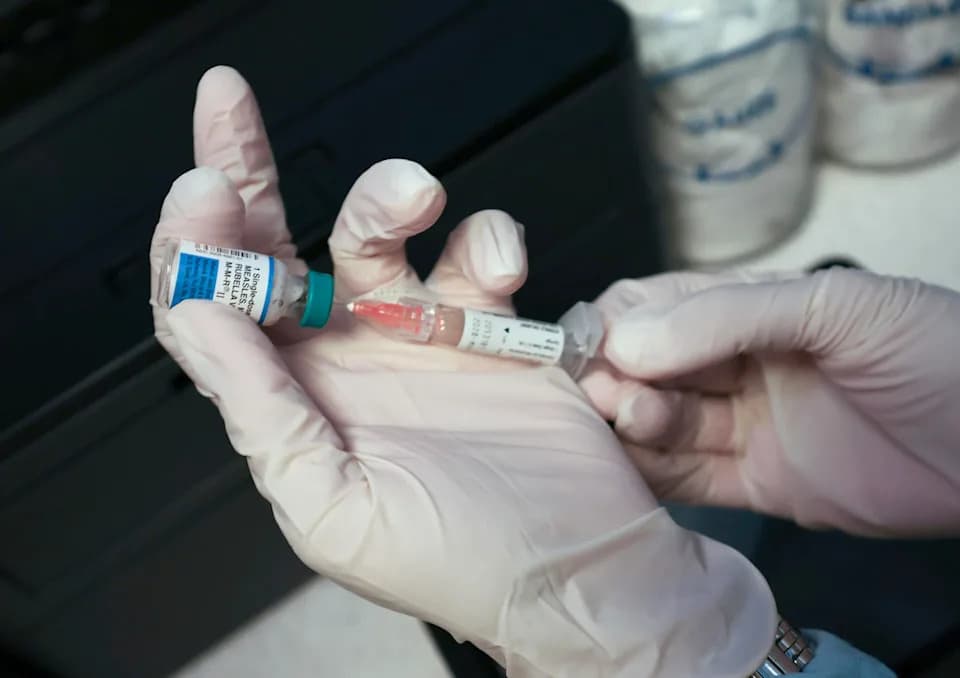
Public-health priorities across affected counties include surveillance, contact tracing, accessible vaccination clinics, and targeted outreach to dispel myths and encourage immunization. Officials stress that vaccination with the MMR vaccine remains the most effective prevention against measles and urge residents to check vaccination status and get immunized if needed.
The Pennsylvania Department of Health was contacted for comment.
Help us improve.