Researchers report that activating the cellular energy sensor AMPK with the compound 991 extended lifespan in fruit flies, nematode worms and fission yeast, and the benefit was lost in organisms lacking AMPK. Higher doses sometimes shortened lifespan, highlighting a narrow therapeutic window. Short-term mouse experiments showed AMPK activation but no lifespan gain; longer mammalian studies are needed to test potential benefits for human healthspan.
Scientists Identify AMPK 'Switch' That Extended Lifespan In Flies, Worms and Yeast
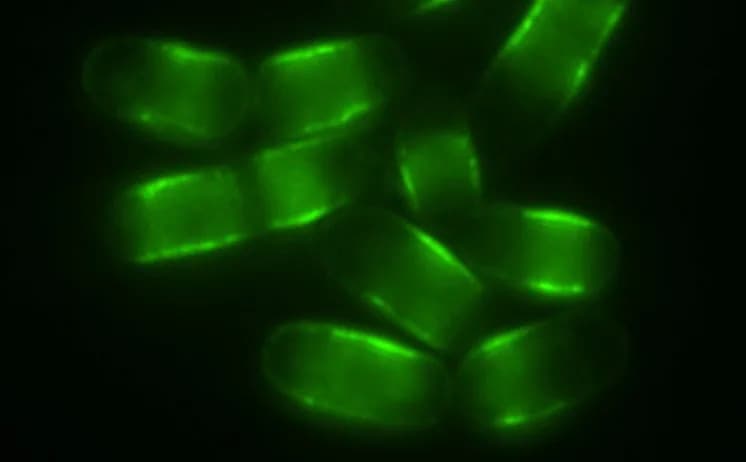
Fission yeast cells expressing a fluorescent glucose transporter. (O Xintarakou, Rallis lab, QMUL via SWNS)
Scientists have taken a key step toward understanding how aging is regulated at the cellular level and whether that process can be safely modified to extend healthy lifespan. New research led in part by Queen Mary University of London shows that AMPK — an evolutionarily ancient enzyme that senses cellular energy status — can be activated pharmacologically to extend lifespan in several model organisms.

(Photo by Ahmet Yüksek via Pexels)
The study, published in Aging Cell, used a compound called 991 that directly binds to and activates AMPK. In laboratory experiments the researchers reported longer lifespans in fruit flies, nematode worms and fission yeast after treatment with 991. Crucially, the effect disappeared in worms and yeast that lacked functional AMPK, demonstrating that the benefit depends on AMPK activation.

(Photo by Peter Lopez via Pexels)
However, the team also found that more AMPK activation was not always better. Higher doses of 991 shortened lifespan in some experiments, indicating a narrow therapeutic window and the need to fine‑tune the level of activation rather than maximize it.
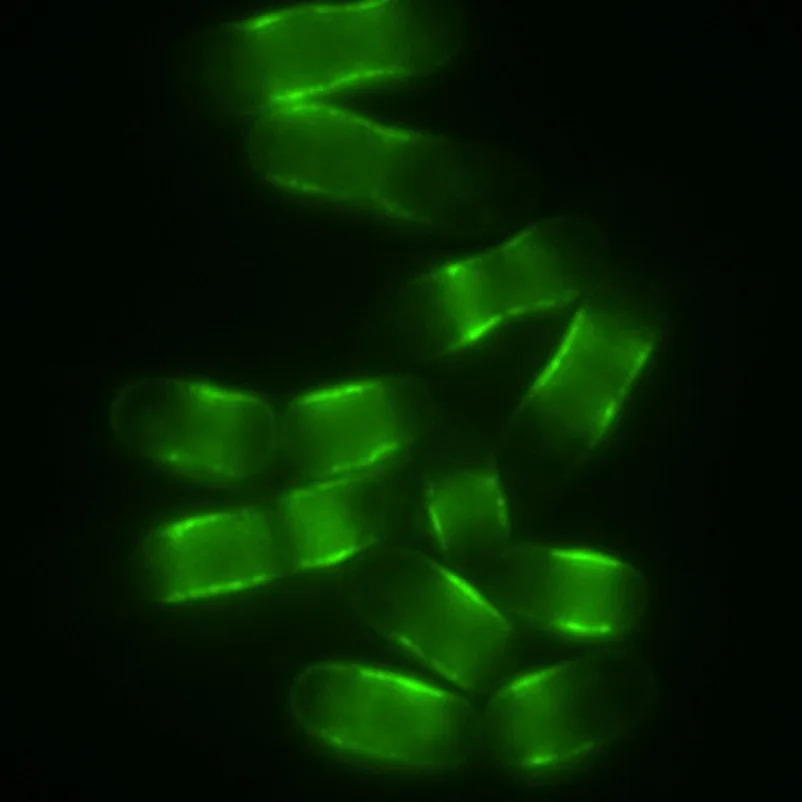
Fission yeast cells expressing a fluorescent glucose transporter. (O Xintarakou, Rallis lab, QMUL via SWNS)
The researchers extended their work to mice and observed biochemical signs of AMPK activation after three weeks of treatment, but no detectable increase in lifespan in the short-term study. The molecular changes seen in mice were linked to longevity-related processes, so the authors emphasize that longer and more comprehensive mammalian studies are required to determine whether direct AMPK activation can extend lifespan or improve healthspan in humans.
Charalampos Rallis, reader in genetics, genomics and fundamental cell biology at Queen Mary University of London and co-author, said: "When a cell runs low on energy, AMPK is what kicks in to help it cope. We have known for years that this switch is connected to aging. What we did not have was a drug clean enough to test the idea properly — with 991 we finally did."
He added a note of caution: "I would not want anyone to reach for a supplement on the back of this. Too much of the drug shortened life in our experiments. This is a switch that must be set correctly, not jammed on."
The collaborative team included researchers from Queen Mary University of London, the MRC Laboratory of Medical Sciences, Imperial College London, the University of Cologne, the Francis Crick Institute and Université Claude Bernard Lyon 1. The authors say their findings provide a foundation for further research into whether directly targeting AMPK might ultimately contribute to interventions that help people remain healthier for longer.
Help us improve.