Ciara and her partner Lewis discovered that their newborn son Ralph had junctional epidermolysis bullosa (JEB), a rare genetic disorder that causes severe blistering and extremely fragile skin. Trained by Great Ormond Street Hospital, the parents now perform complex wound care at home and face extensive daily adjustments to protect him. Ciara launched a petition that reached 10,000 signatures; the Department of Health and Social Care has pledged £1.075m over five years for EB projects, but campaigners say dedicated, ring-fenced research funding is still needed. Despite the challenges, the family describes Ralph as happy and resilient.
They Said My Baby's Skin Was 'Like Glass' — Family Urges More Research into 'Butterfly Skin' (JEB)
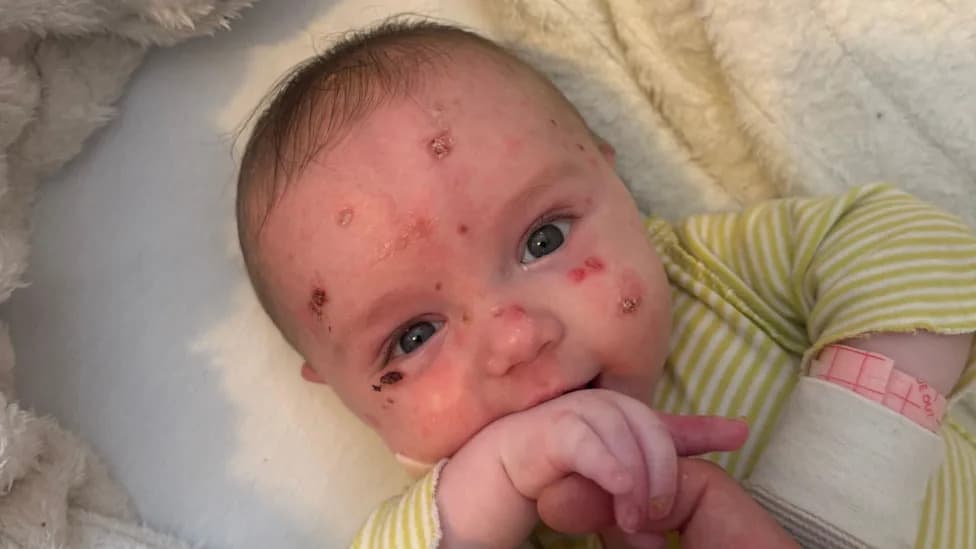
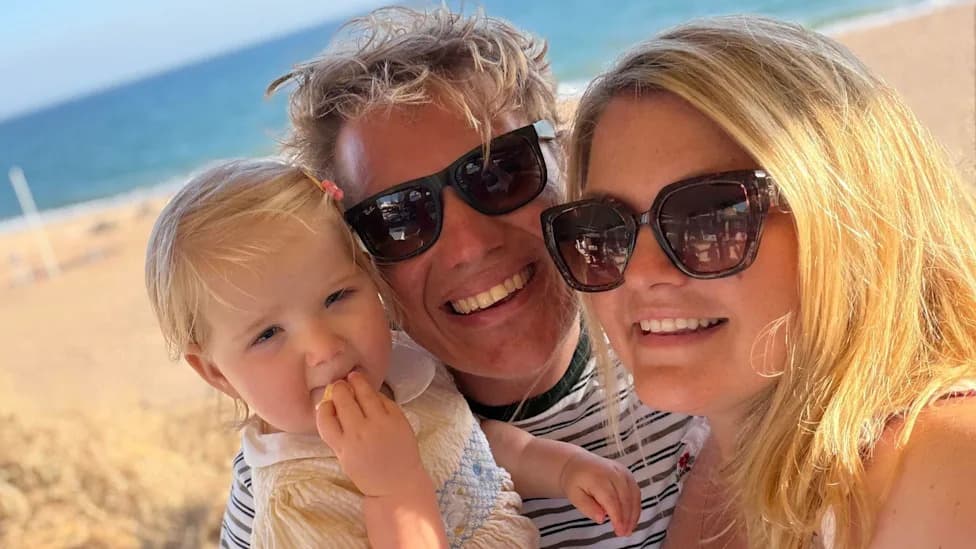
Six-month-old Ralph was diagnosed with junctional epidermolysis bullosa (JEB) at a few days old [Family handout]
When Ciara and her partner Lewis welcomed their son Ralph in Arlesey, Bedfordshire, they discovered within minutes that something was very wrong. Ralph was born with large areas of missing skin on his hands and feet and quickly developed blisters across his body. Within days clinicians diagnosed him with junctional epidermolysis bullosa (JEB), a rare genetic condition often called "butterfly skin" because the skin can be as fragile as a butterfly's wing.
Early Days: A Sharp Learning Curve
Ciara, 30, recalls the shock of being a new parent suddenly thrust into complex medical care. Staff from Great Ormond Street Hospital trained the family in specialist wound care and handling, but much of the daily responsibility falls to Ciara and Lewis. They grease bottle teats to protect Ralph's mouth, turn baby-grows inside out to avoid seam friction and spend up to three hours some nights replacing bandages on his feet.
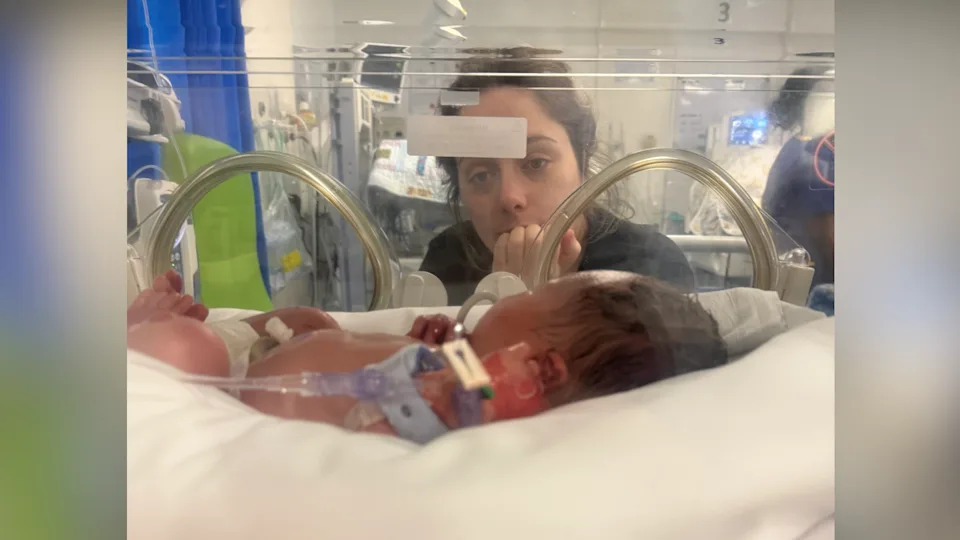
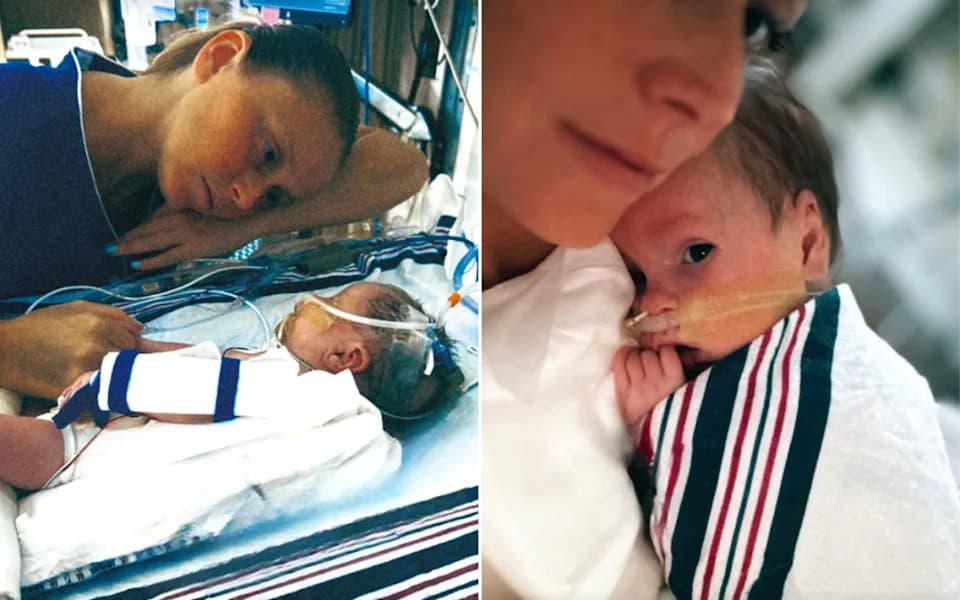
Doctors from Great Ormond Street Hospital taught Ciara and her partner how to manage the condition [Family handout]
“We were new parents, we had never heard about this before and we had basically been told my son was like glass,” Ciara says. “At the start, everything felt so heavy. It was really hard to imagine him being happy.”
What Is JEB?
Junctional epidermolysis bullosa is a genetic condition caused by a gene mutation that leads to missing or defective proteins responsible for attaching the epidermis (outer skin layer) to the dermis beneath. Without those proteins, even gentle friction can cause painful blisters and wounds. DEBRA UK, the charity supporting people with EB, notes common complications include widespread blistering, hair loss (alopecia), malformed nails, and irregular tooth enamel. Pain and itching are frequent and persistent problems for affected children and families.
Life At Home
Ralph's JEB is the milder junctional form rather than the most severe, life-threatening subtype, but there is currently no cure and treatment options remain limited. The family has adapted their home and routines to protect Ralph’s skin and reduce injury — measures that require time, learning and emotional resilience.
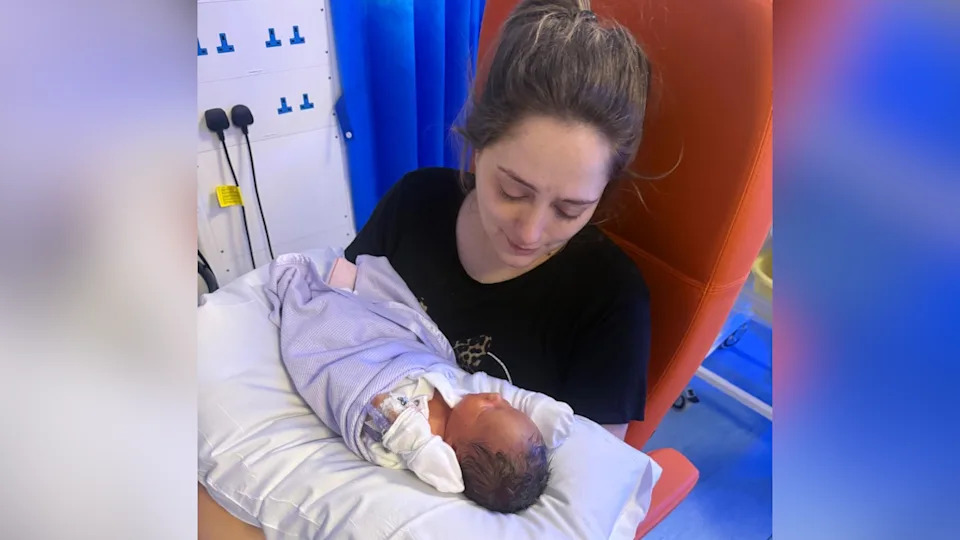
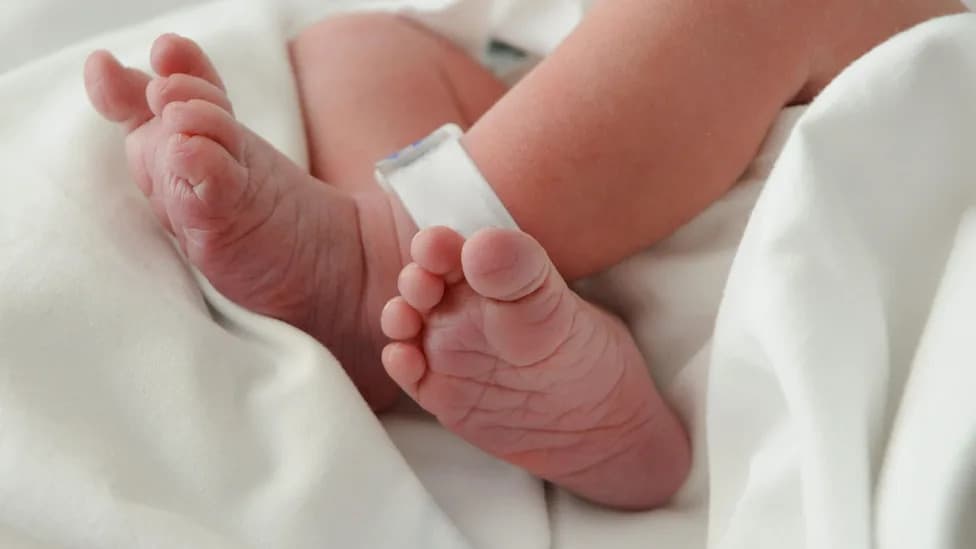
Ciara says she has not been able to use anything she bought for her son due to the damage some items could cause to his skin [Family handout]
Campaigning For More Research
Distressed by the scarcity of targeted treatments and long-term research, Ciara launched a petition calling for increased government funding for rare skin conditions. After reaching 10,000 signatures she received a response from the Department of Health and Social Care (DHSC). The DHSC said it had committed £1.075m over five years to projects specifically related to epidermolysis bullosa, funding work on advanced therapies, symptom management, supportive care and care coordination.
Despite that commitment, families and campaigners — including DEBRA UK's chief executive Tony Byrne — say more is needed. They argue that dedicated, ring-fenced investment would accelerate promising discoveries into UK clinical trials and ensure rare conditions are not overlooked by broader research agendas.
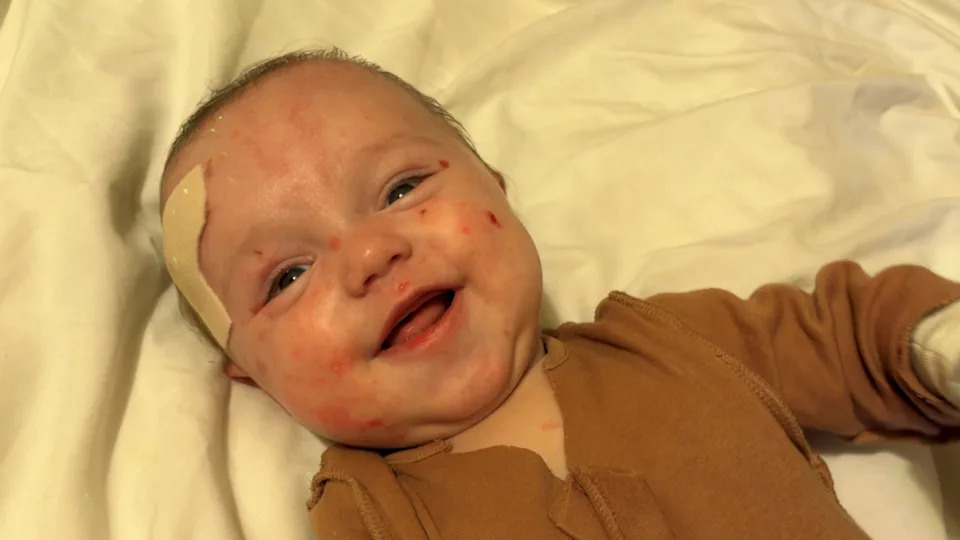
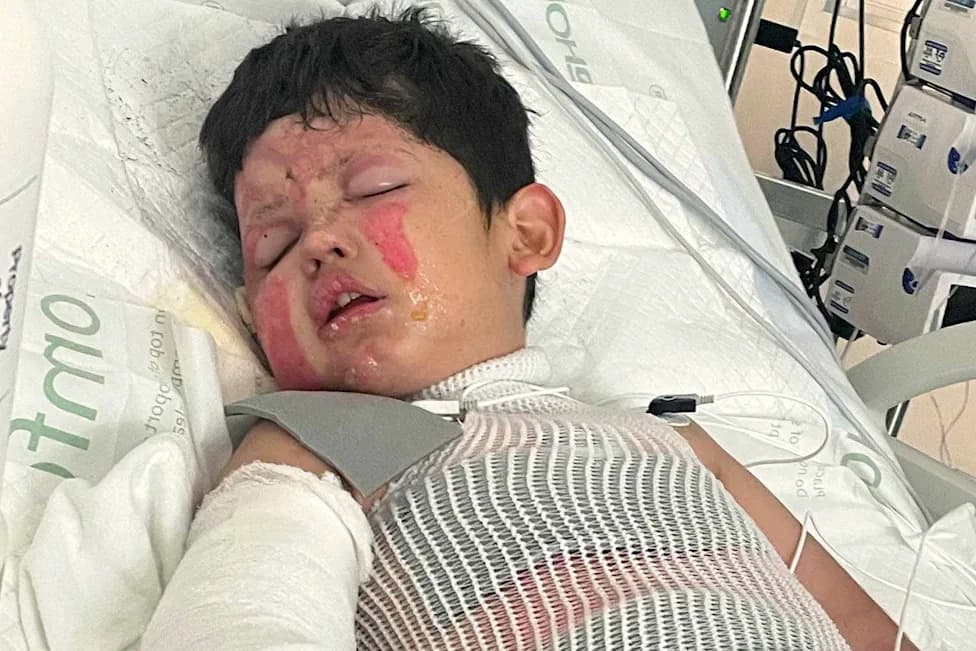
Ciara describes her son's condition, which has no cure and limited treatment options, as devastating [Family handout]
Hope and Resilience
Amid the daily challenges, Ciara says Ralph is joyful and determined: he smiles, reaches for toys and delights in small things like watching trees sway. The family hopes greater awareness and targeted funding will bring better treatments and, ultimately, a cure.
Key organisations: DEBRA UK; Department of Health and Social Care; Great Ormond Street Hospital.
Help us improve.