Heatwaves this summer have badly damaged pumpkin crops across parts of England, threatening Hallowe'en supplies. Rookery Farm's Eleanor Gilbert estimates a roughly 50% loss after spending about £6,000 on seed, while some varieties stopped growing early and produced many small, hard-to-carve fruits. Irrigation would help but costs—often more than £20,000—are out of reach for many small farms. Growers are calling for fairer risk-sharing across the supply chain to help absorb climate-related losses.
Pumpkin Patches Under Threat: Heatwaves Could Slash Hallowe'en Supply
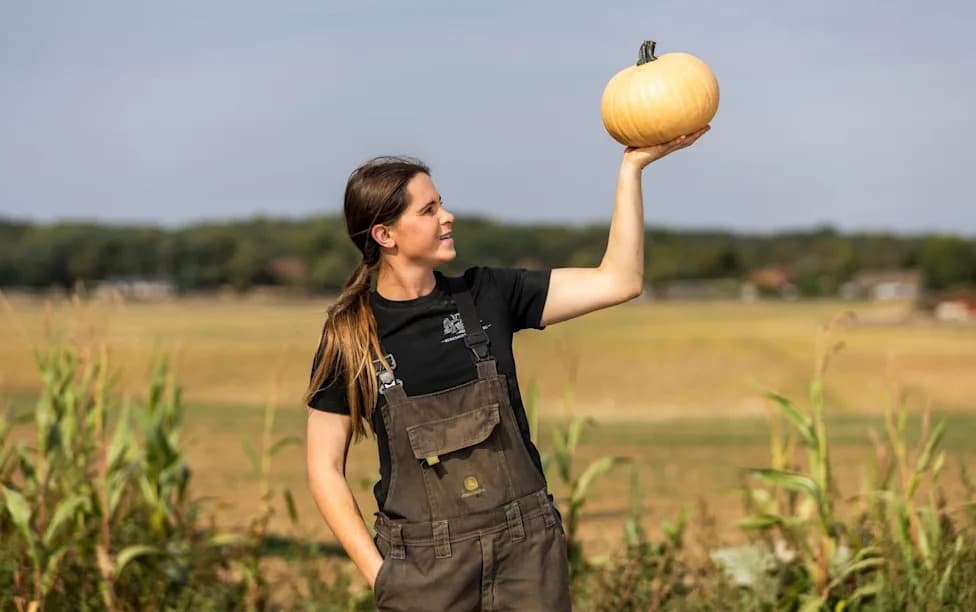
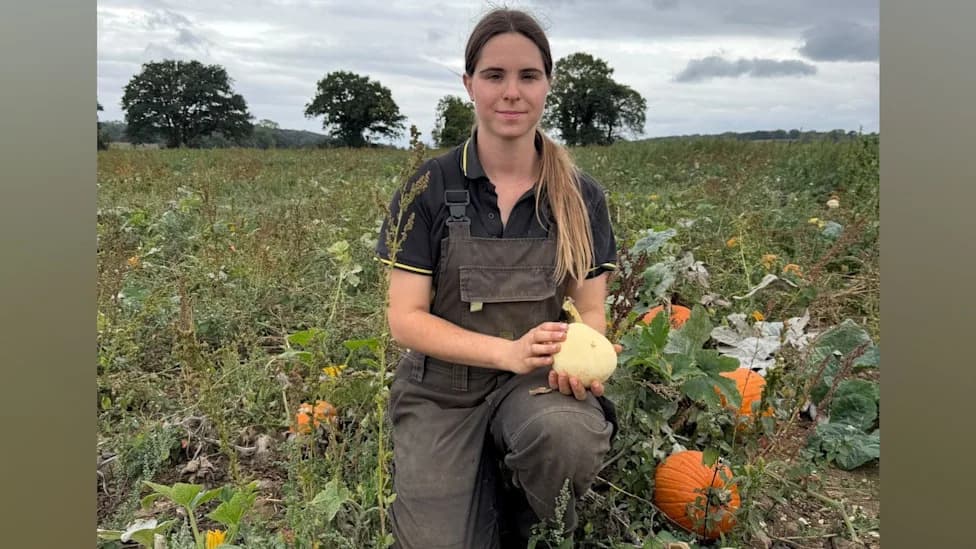
Eleanor Gilbert has seen a 50 per cent drop in her pumpkin yield this year - SWNS/Tom Wren
Heatwaves and prolonged dry weather this summer have damaged pumpkin crops across parts of England, raising concerns that Hallowe'en supplies may be much reduced this autumn.
Local Farmers Sound the Alarm
Eleanor Gilbert, 24, who helps run her family's Rookery Farm near Thatcham on the Hampshire–Berkshire border, says farms across the area are struggling with drought and parched fields. Ms Gilbert estimates her farm has lost around 50% of its pumpkin crop. The fruit that did survive is frequently much smaller than usual or crowded out by weeds for light and space.
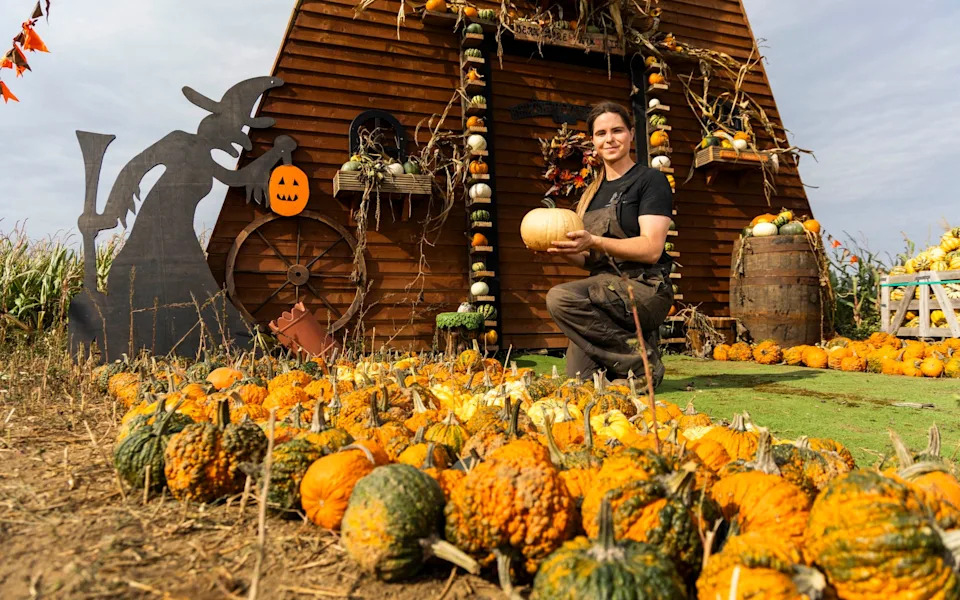
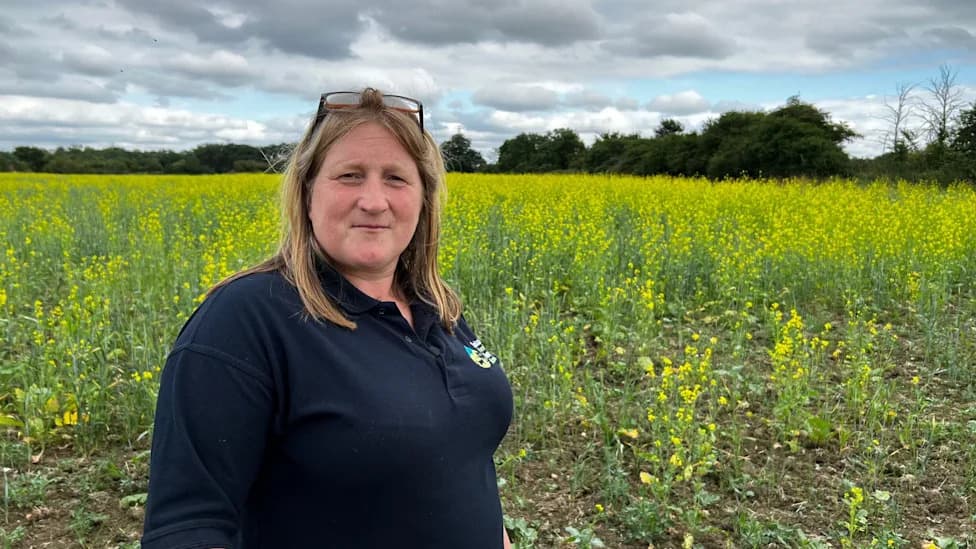
Ms Gilbert claims all the farms in her area are struggling with the dry conditions - SWNS/Tom Wren
"It is really quite devastating. It is not just me, it is farmers across the country. We are taking hits quite a lot lately," Ms Gilbert said. "This year I am really feeling it, and I am not sure I am going to break even."
Ms Gilbert says she spent about £6,000 on seed alone this season. She planted 1,000 "hot chocolate" pumpkin seeds — costing several hundred pounds — and harvested just one marketable fruit from that batch. The lack of rain (pumpkins are roughly 90% water) and the increased risk of field fires have been major factors in poor yields.
Installing a dedicated irrigation system would help but is prohibitively expensive for many small growers: Ms Gilbert estimates connecting to her own water supply would cost more than £20,000, while mains water prices are also high.
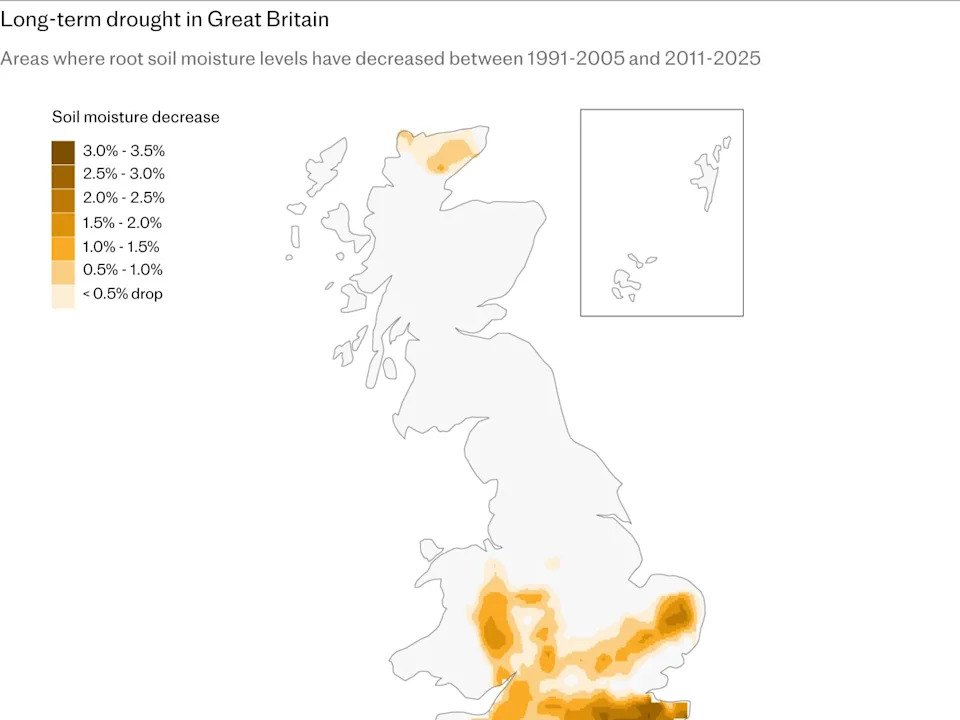
1508 Long-term drought in Great Britain
Wider Impact And Growers' Concerns
David Coulter of Home Farm Pumpkins in Suffolk warned that extreme heat forced pumpkins to stop growing early, leaving many too small for carving and with thicker skins that are harder for children to carve. "In the heat, the pumpkins just gave up and stopped growing early," he said, noting that even where some moisture remained, the combined stress of heat and drought limited fruit development.
The same conditions have affected other crops: wheat yields in some areas fell by about 40% this year, and some fields that would formerly have generated profit are now costing farmers roughly £50 an acre to manage.
Calls For Fairer Risk Sharing
Faced with rising input costs and climate-driven volatility, Ms Gilbert and other growers are urging a fairer distribution of risk along the supply chain so farmers are not left bearing the brunt of crop failures. "We need more supply chain fairness at the moment. Farmers are the ones that are taking all the risk. We need to spread that risk," she said.
As summers are forecast to become hotter and drier in some regions, small-scale growers say they may be forced to rethink whether they can continue growing water-intensive crops such as pumpkins without financial support or more affordable access to irrigation.
Help us improve.