Power To The People paired headlining musicians with a network of activist nonprofits and organizers, combining music, voter-registration and fundraising ahead of the midterms. The event opened with chants of "Free, free Palestine!" and included a "Freedom Village" of advocacy booths. Organizers promoted VIP ticket packages linked to nonprofit donations and a paid livestream with Democratic-leaning media partners, raising questions about the line between civic engagement and partisan campaigning.
Springsteen, Dave Matthews Headline 'Power To The People' Festival Linked To Democratic-Aligned Activists
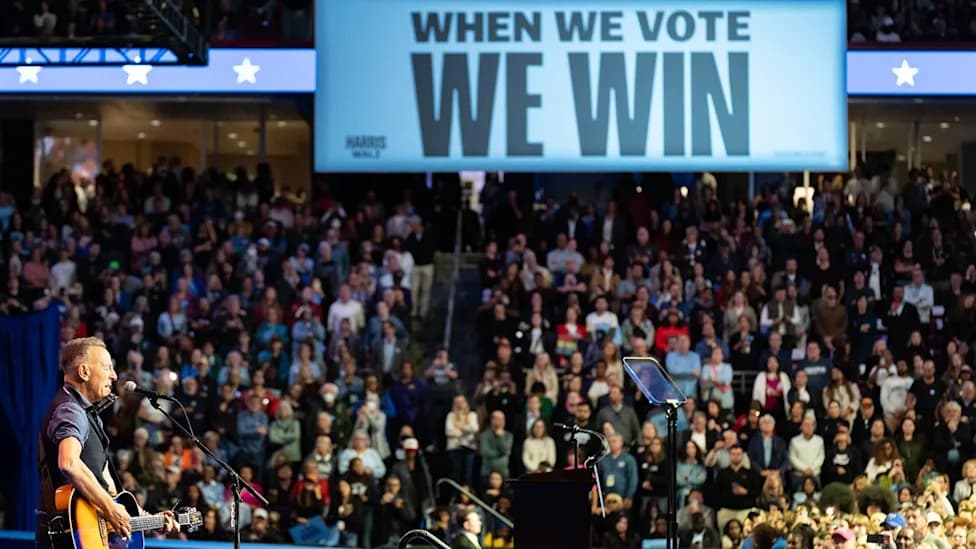
Bruce Springsteen at a Kamala Harris rally
Prominent musicians including Bruce Springsteen and Dave Matthews headlined the "Power To The People" music festival, an event that paired mainstream performers with a coalition of activist nonprofits and organizers in the run-up to the midterm elections. The festival combined live music, voter-registration drives, donor appeals and activist programming, drawing attention for its explicit political messaging and nonprofit partnerships.
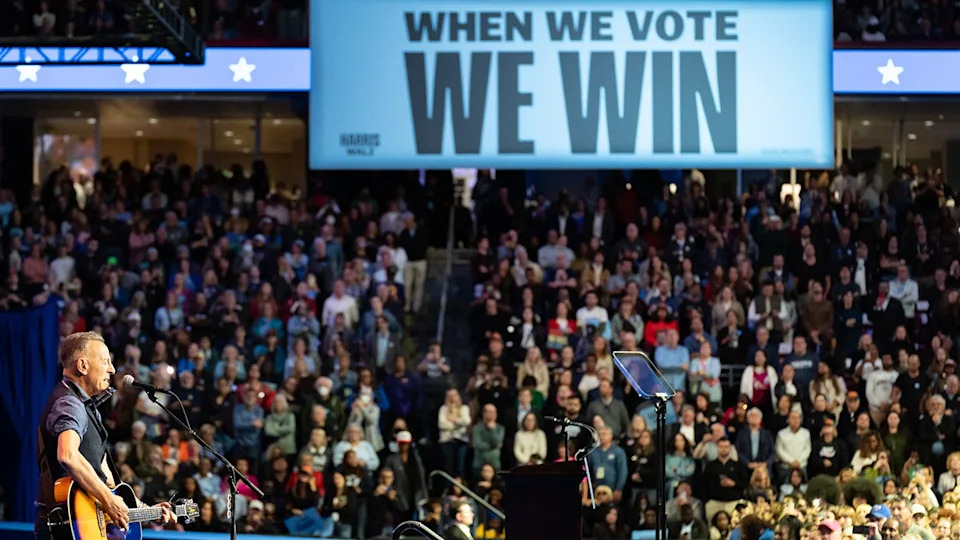
Singer Bruce Springsteen performs at a Harris-Walz campaign rally in Philadelphia, Pennsylvania, United States, on October 28, 2024. (Photo by Nathan Morris/NurPhoto via Getty Images)
What Happened
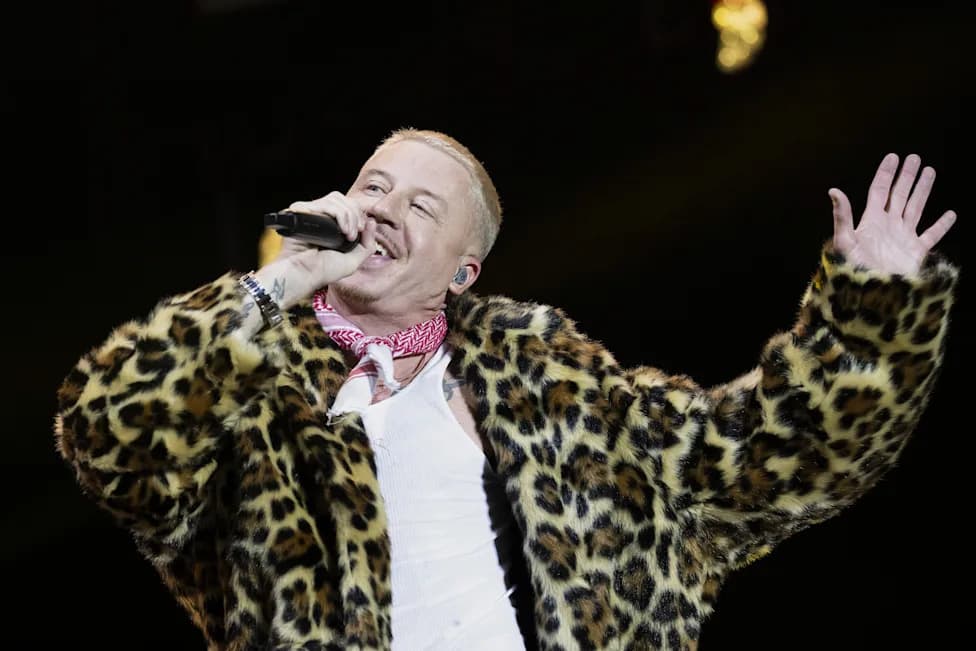
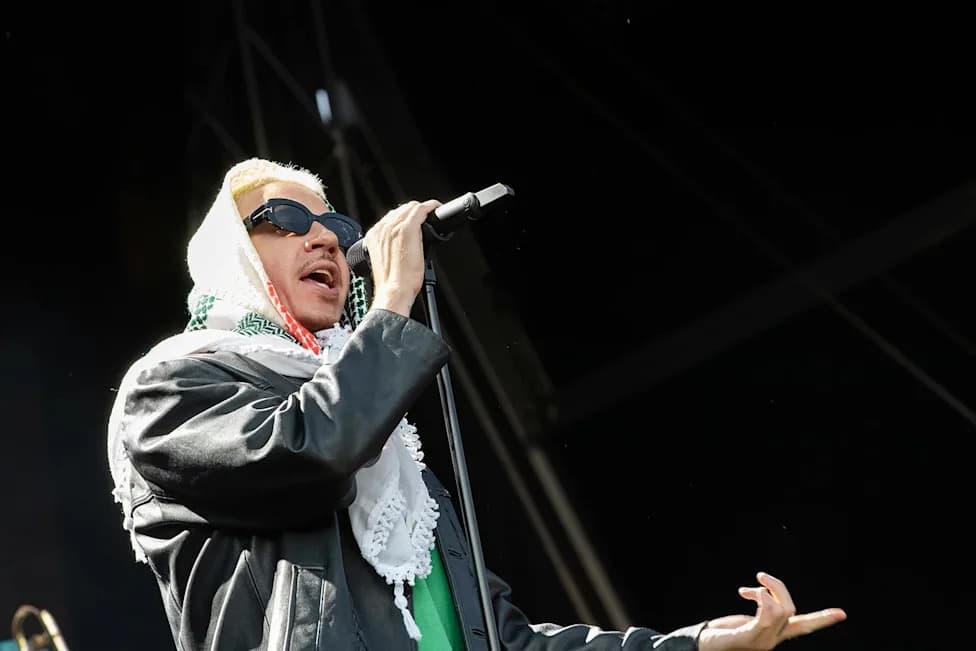
The festival opened with a set by hip-hop group The Neighborhood Kids, who performed a protest anthem associated with rapper Macklemore while chanting "Free, free Palestine!" and denouncing what they called the "funding of genocide" and Immigration and Customs Enforcement (ICE). Performers dedicated parts of their sets to "the martyrs" and criticized "Western imperialism," urging fans toward political action.
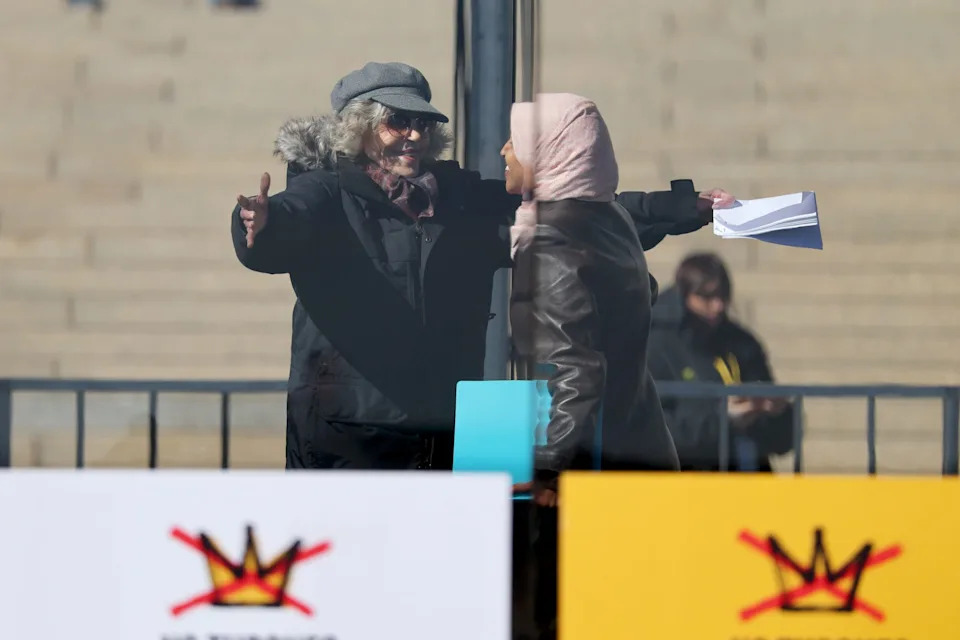
Jane Fonda and Rep. Ilhan Omar appear onstage during the No Kings Rallies in St. Paul, Minn., on March 28, 2026.
Who Is Involved
Organizers and participants included musicians with documented histories of political engagement. Tom Morello (Rage Against the Machine) helped organize the event and used his stage to criticize what he described as "fascists," "would-be dictators" and "oligarchs." Bruce Springsteen, who publicly endorsed the Democratic ticket in 2024, and Dave Matthews, known for prior participation in pro-Democratic concerts, also appeared.
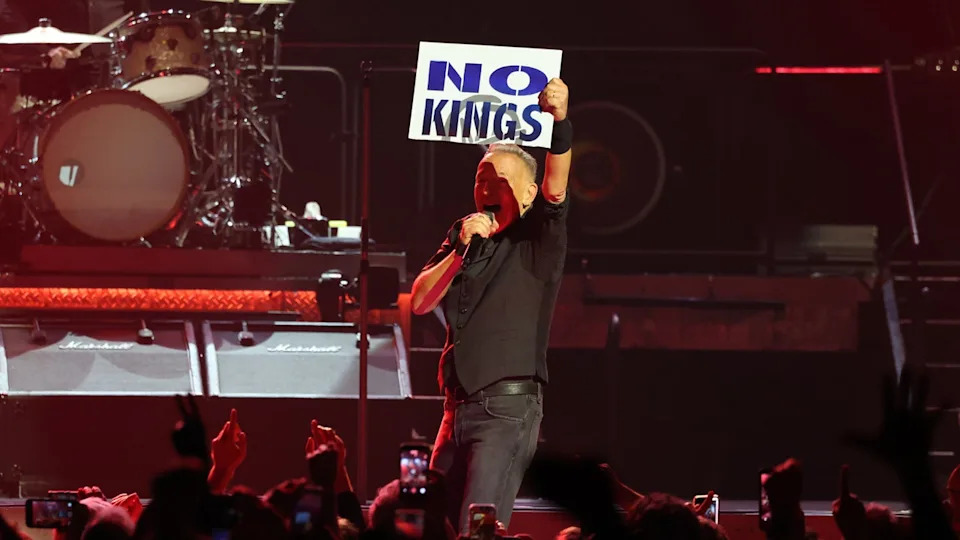
Bruce Springsteen & The E Street Band perform during Land of Hope & Dreams American Tour at Target Center on March 31, 2026 in Minneapolis, Minnesota.
Festival programming featured a "Freedom Village" at Merriweather Post Pavilion with booths hosted by groups such as Indivisible, Third Act and the ACLU. The festival promoted Head Count and VoteRiders as beneficiaries of ticket proceeds. According to public filings cited by festival materials, Head Count reports roughly $14 million in recent revenues and VoteRiders roughly $7.8 million. The festival fund is listed as a fiscally sponsored project of Catalyst Philanthropy Fund, a 501(c)(3) established in 2024 that reports about $6.5 million in annual revenue.
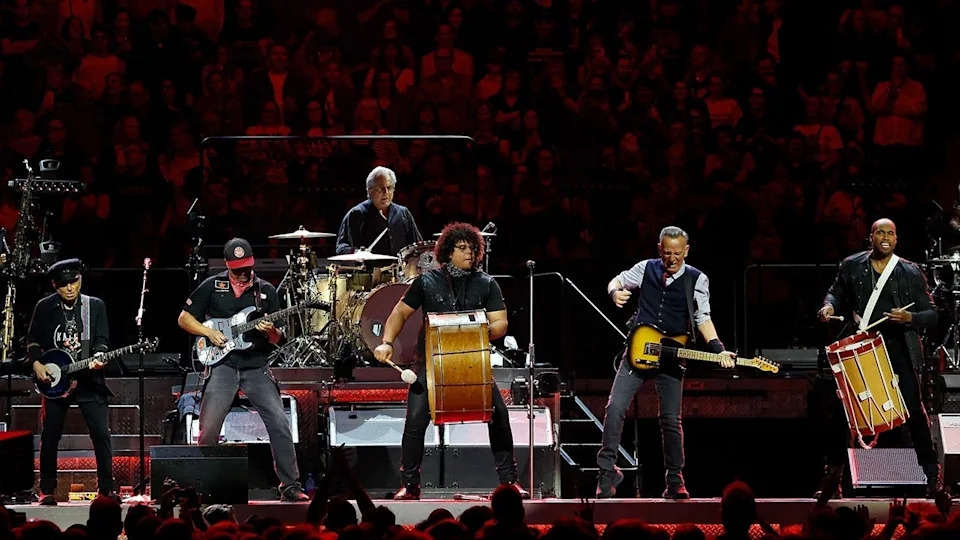
Tom Morello performed with Bruce Springsteen at Madison Square Garden on Monday.
Fundraising, VIP Packages and Media Partnerships
The festival followed a conventional concert model with tiered admission and VIP experiences. Ticket tiers included general lawn access, reserved seating and top-tier "Robinhood" VIP packages promising exclusive suites, dedicated viewing areas, commemorative items and concierge service. Festival materials describe donations to nonprofits from ticket sales, but language about proceeds varies across pages—an overview page references "a portion of all ticket proceeds" and "100% of the net proceeds from VIP tickets," while some package pages promise "all proceeds from VIP sales" will benefit nonprofit partners.
Organizers also promoted a paid livestream membership with MS NOW offering Q&A sessions and exclusive content featuring media personalities associated with Democratic-leaning programming.
Controversy and Legal Questions
Observers raised questions about the boundary between permissible civic engagement and prohibited partisan campaign activity for 501(c)(3) organizations. Critics noted many performers and partner groups have histories of supporting Democratic candidates or progressive causes, which could prompt scrutiny over whether certain activities cross legal lines for tax-exempt nonprofits.
Sensitivities around content also surfaced. One performer reportedly sang lines referencing the 2024 self-immolation of an individual who protested at the Embassy of Israel; news coverage described the lyric and the crowd reaction, which some observers called provocative and others defended as political expression.
Why It Matters
The festival illustrates how popular culture, advocacy organizations and fundraising can intersect ahead of major elections. By combining music, merchandise, voter-registration booths and donor appeals, organizers converted fan engagement into political outreach. That blending of entertainment and explicit political messaging has prompted debate about ethics, nonprofit compliance and the role of celebrities in civic life.
Festival organizers did not respond to requests for comment.
Help us improve.