The author argues that Republican presidential nominations have been captured by small, ideologically driven blocs that prioritize narrow agendas over candidates who respect the Constitution and the rule of law. Two major trends explain the problem: the rise of low-turnout primaries dominated by activist factions and the steady expansion of unilateral presidential power. The piece calls for urgent reforms — most immediately restoring a modest role for unpledged delegates — to prevent future demagogues from securing a nomination and threatening constitutional governance.
Breaking the Grip of Extremists: Restoring Safeguards in Republican Presidential Nominations
The nearly unchecked powers of the presidency are increasingly vulnerable to capture by ideological factions and special interests that now dominate parts of the Republican nomination process. When self-serving agendas eclipse the objective of selecting candidates who respect the rule of law and the Constitution, the risk is not merely partisan — it is constitutional. Without timely reforms, America risks sliding further toward the populist tyranny the Framers most feared.
Two Transformative Shifts
Two consequential developments have brought the country to this crossroads. First, beginning in the 1970s the locus of control over presidential nominations shifted. Party officials who once prioritized electability and governing experience were gradually displaced by relatively small, ideologically driven blocs of primary voters. Low turnout in direct primaries helped activists — including evangelicals and elements of the Christian right, as well as strongly anti-immigration and anti-regulation constituencies — exert outsized influence over the delegates who determine nominees at national conventions.
These changes undermined the Constitution's deliberate mechanisms to "filter" the popular voice and insulate key offices, especially the presidency. As Alexander Hamilton explained in 1788, the Electoral College was designed to increase "the probability of seeing the station filled by characters preeminent for ability and virtue" and to prevent the selection of leaders inclined toward "cabal, intrigue, and corruption." When nominations are dominated by narrow activist coalitions, those filtering functions are weakened.
Second, presidential authority has expanded dramatically over recent decades. Both parties ceded unilateral tools to the executive branch: the ability to dispatch troops, authorize covert operations, and conclude international arrangements without sustained congressional oversight. That accumulation of power left an office that is, in effect, a loaded gun in the Oval Office — especially dangerous when nominees have not been rigorously vetted by experienced party leaders attentive to the rule of law.
2016 as a Cautionary Example
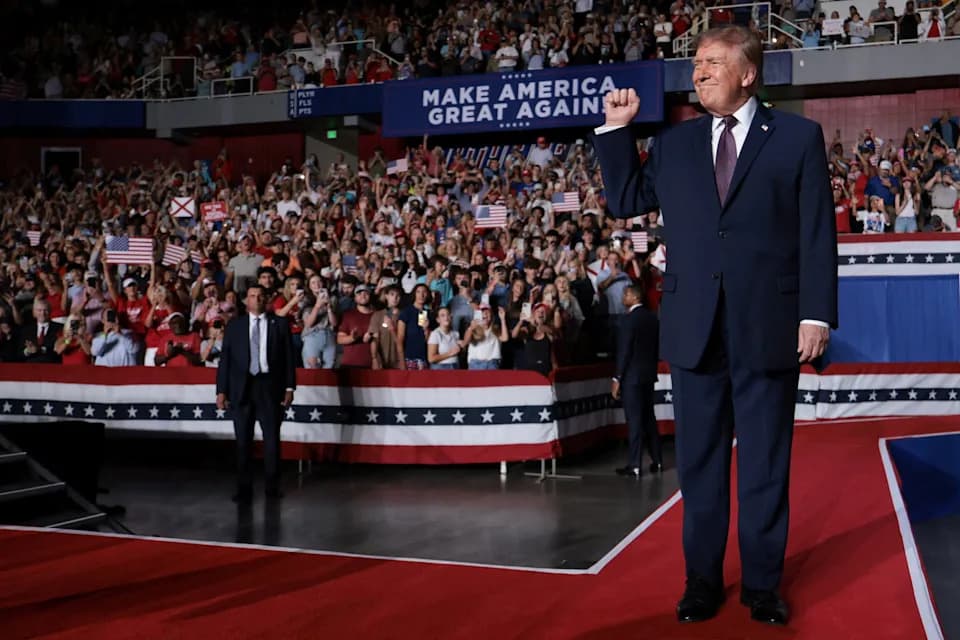
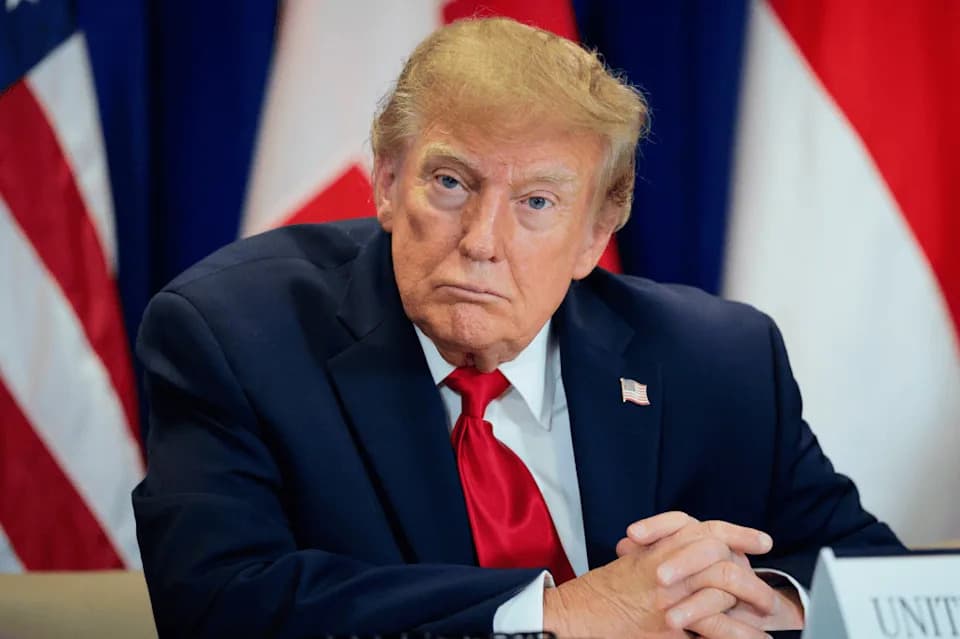
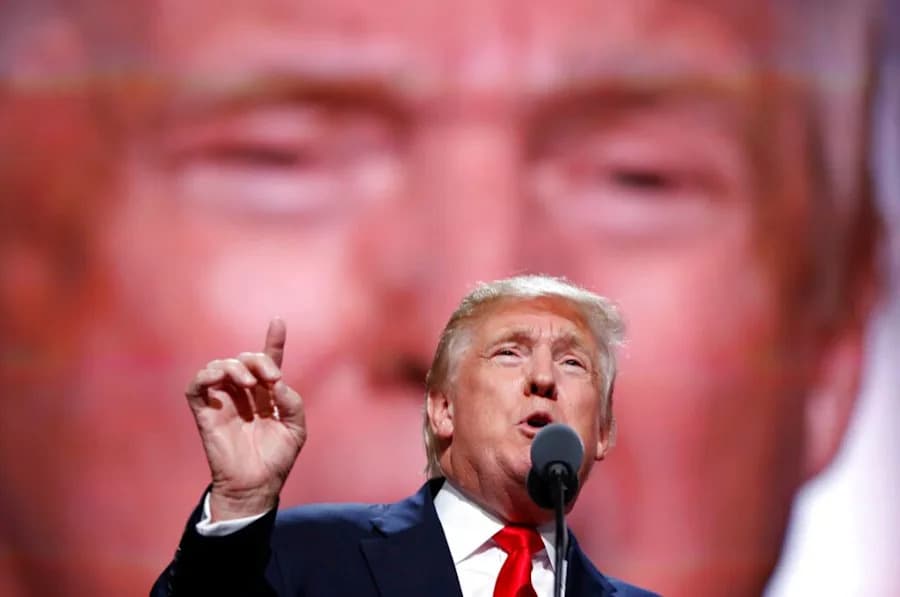
President Trump illustrates the consequences. He secured the 2016 Republican nomination after winning less than 40 percent in early primary contests amid a crowded field. Republican primaries that year were dominated by voters who identified as very or somewhat conservative — roughly three out of four — enabling Trump to win pluralities. By contrast, about two-thirds of the 2016 general electorate described themselves as moderate or liberal.
In the primaries and the general election, concerns about respect for constitutional norms and the rule of law were not decisive for many Republican primary voters. Intense party loyalty, strong antipathy toward Democratic figures such as Hillary Clinton, opposition to aspects of the Obama era, and economic and cultural grievances carried substantial weight. The result was a nominee who, critics argue, demonstrated repeated disregard for legal and constitutional constraints.
What Needs to Change
Saving the republic requires urgent reforms to the nomination process to reduce the likelihood that demagogues rise unchecked. While reforms are warranted across parties, the need is especially pressing in the Republican Party, which has seen its informal checks — moderate donors, seasoned insiders, and institutional vetting — weaken over time.
A practical and immediate step is to restore and strengthen the independence of unpledged Republican delegates — the national and state party leaders who are positioned to protect the party's reputation and the integrity of constitutional governance. Until 2012, roughly one-fifth of convention delegates could vote freely on the first ballot regardless of statewide primary or caucus outcomes. By 2016 that share was reduced to about 6.9 percent and many delegate rules increasingly bound representatives to primary results.
Restoring a modest, clearly defined role for those unpledged delegates would preserve the central role of primary voters while creating an "off-ramp" when activists appear poised to elevate a candidate who poses a demonstrable threat to constitutional norms. Advocates of reform should also consider complementary measures: increasing primary turnout, encouraging broader participation in delegate selection, and strengthening transparency in party rules. Ideological activists will predictably label these measures anti-democratic, but the reality is that they can safeguard democracy by preventing the elevation of leaders who would subvert it.
Urgency and Consequences
Absent timely and vigorous action, the prospect of another unprincipled or vengeful nominee in 2028 is real. The institutional tools used to select presidents matter immensely when the office wields vast unilateral authority. Restoring reasonable internal party checks is not an attack on democratic participation — it is a defense of the constitutional system.
Lawrence R. Jacobs is the Walter F. and Joan Mondale Chair for Political Studies and director of the Center for the Study of Politics and Governance at the University of Minnesota's Humphrey School of Public Affairs. He is a member of the American Academy of Arts and Sciences and has written or edited 19 books on American politics.
Help us improve.