The Arizona Court of Appeals ordered a new sentencing after finding that an AI-generated video of homicide victim Christopher Pelkey likely prejudiced the judge at a May 2025 hearing. Gabriel Horcasitas was convicted of manslaughter for a 2021 road-rage shooting and had been sentenced to 10½ years in prison. The clip, created by Pelkey's sister from existing footage, a photo and a written script, was praised by the judge as "genuine," but the appeals court concluded it could have created unfair bias. Arizona has not yet established formal rules on the use of AI-generated evidence in court.
Manslaughter Sentence Vacated After Judge Called AI-Generated Video of Victim 'Genuine'
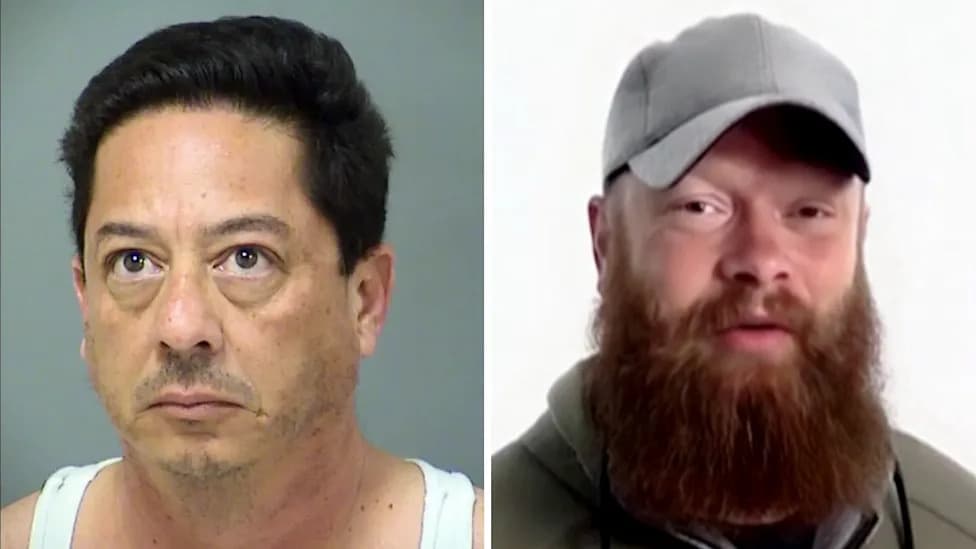
Maricopa County Sheriff's Office; AZFamily
An Arizona man convicted of manslaughter will be resentenced after an appeals court found that an AI-generated video of the homicide victim likely prejudiced the trial judge at a May 2025 sentencing hearing.
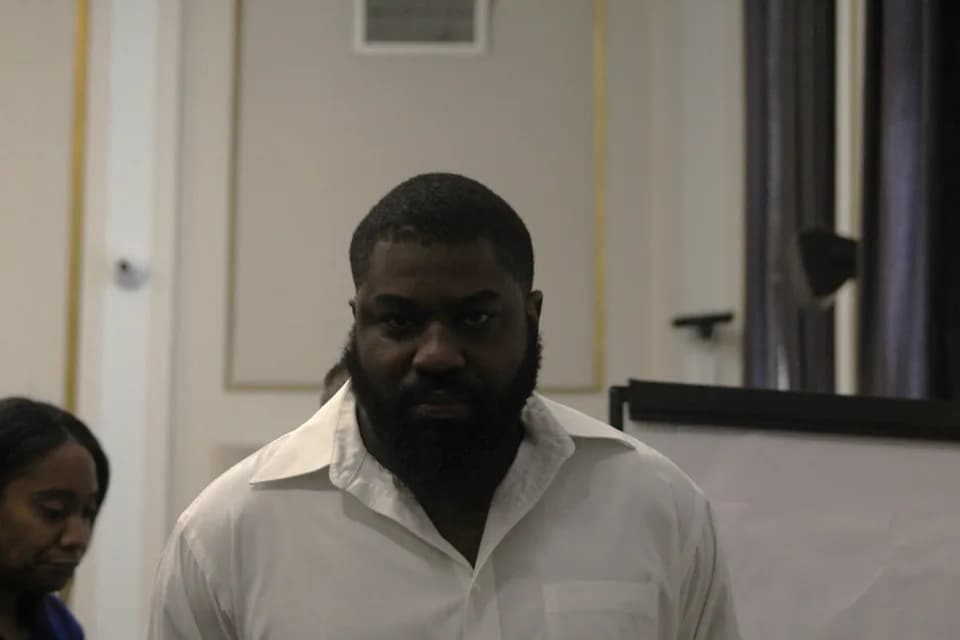
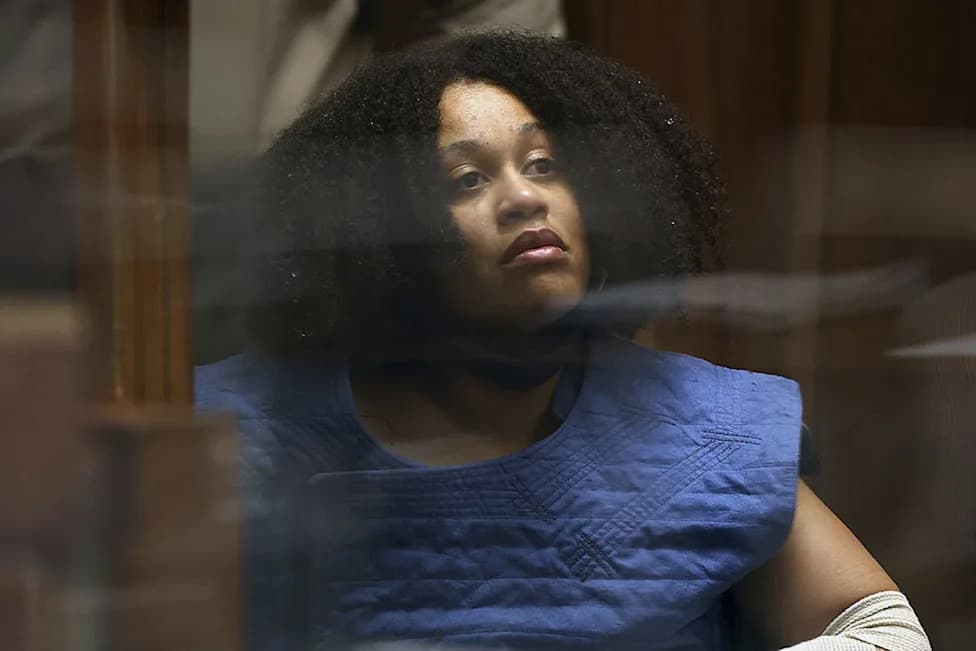
According to reporting from the New York Post and AZFamily, Gabriel Horcasitas was convicted in May 2025 for the 2021 road-rage shooting death of Christopher Pelkey. Prosecutors say the conflict began when Horcasitas aggressively honked his horn; Pelkey then exited his vehicle and shouted before he was shot. Horcasitas received a 10½-year prison term following the conviction.
The Court of Appeals ordered a new sentencing hearing after concluding that material shown at the May 2025 hearing—an AI-created clip produced by Pelkey's sister—was prejudicial and could have influenced the judge’s decision.
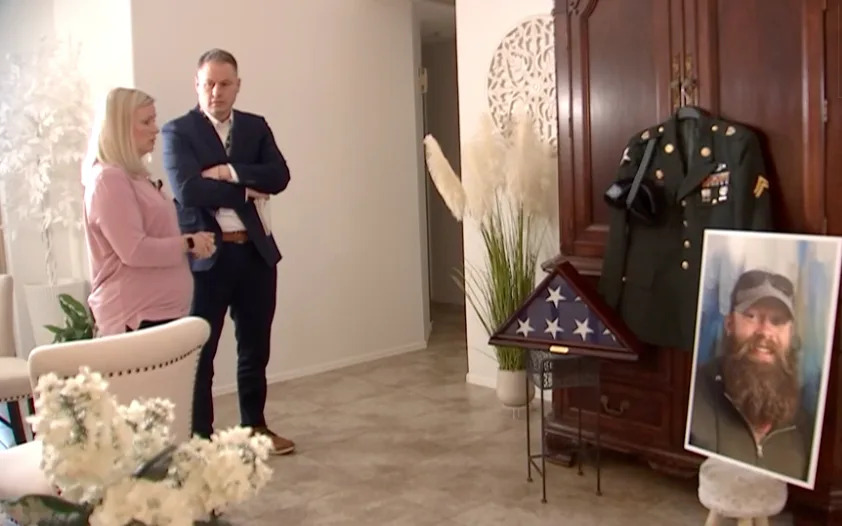
AZFamily
Stacey Wale told AZ Family she assembled the video using an existing recording of her brother, a photograph and a script she wrote that she believed reflected what Pelkey would have said. "I said, 'I have to let him speak,' and I wrote what he would have said,'" she told the outlet.
The clip shown in court depicted Pelkey wearing a gray hat and green sweatshirt and expressing forgiveness for his killer. Observers noted that the mouth movements did not always match the audio and that Pelkey's motion in the video was limited.
At sentencing, Maricopa County Superior Court Judge Todd Lang praised the clip, saying he "loved that AI," calling the presentation "genuine," and stating that the AI-rendered victim spoke from the "heart" and showed "obvious forgiveness," according to court documents. The appeals court said that while the record does not show precisely how the video affected the sentence, "there is no question it played a role."

AZFamily
News reports also point out that the 10½-year term imposed by Judge Lang exceeded the sentence recommended by prosecutors, which contributed to the appeals court's concern about potential unfair bias created by the AI material.
As of this decision, Arizona courts have not adopted formal rules governing the admissibility of AI-generated evidence, leaving unresolved questions about how such material should be treated at sentencing and other proceedings in the future.
Why it matters
This case highlights emerging legal and ethical issues surrounding synthetic media in courtrooms: whether AI-created representations of victims or witnesses may improperly sway judges or jurors, how to evaluate authenticity and reliability, and whether courts should adopt explicit rules for admitting or excluding such evidence.
Help us improve.