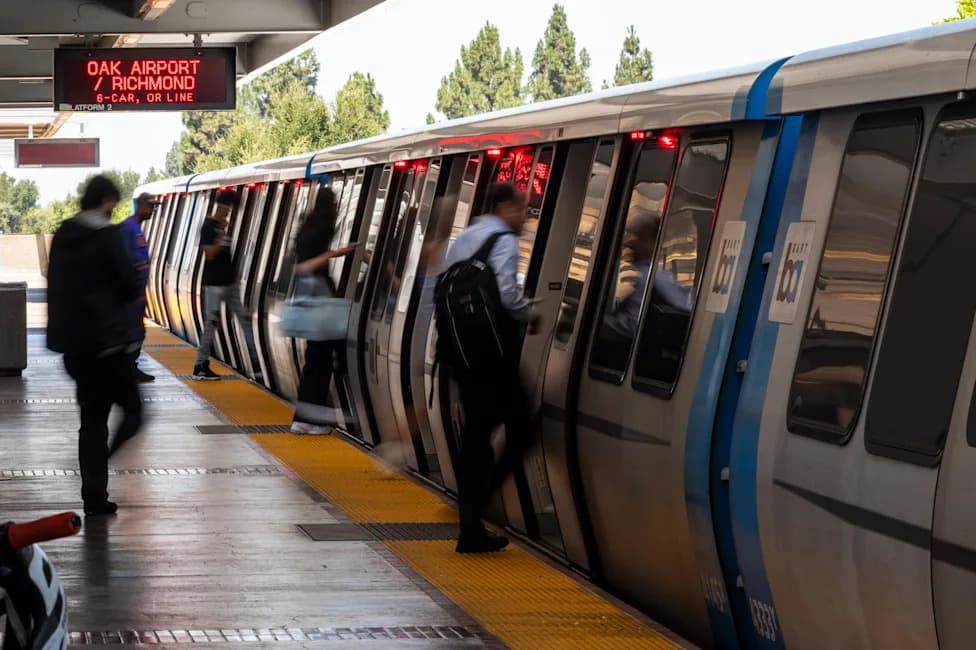
Arlington leaders are asking the state to repeal a 1980 law that bars the MBTA from extending the Red Line through the town without legislative approval. Town Meeting approved a home rule petition 145-54 in May, and local lawmakers have filed repeal legislation. Supporters secured a $50,000 earmark for a 2027 MBTA study of rail or Bus Rapid Transit options along Route 2, but repealing the restriction would remove a legal barrier—not guarantee funding or construction.
Arlington Pushes to Repeal 46-Year Ban So MBTA Can Revisit Red Line Extension
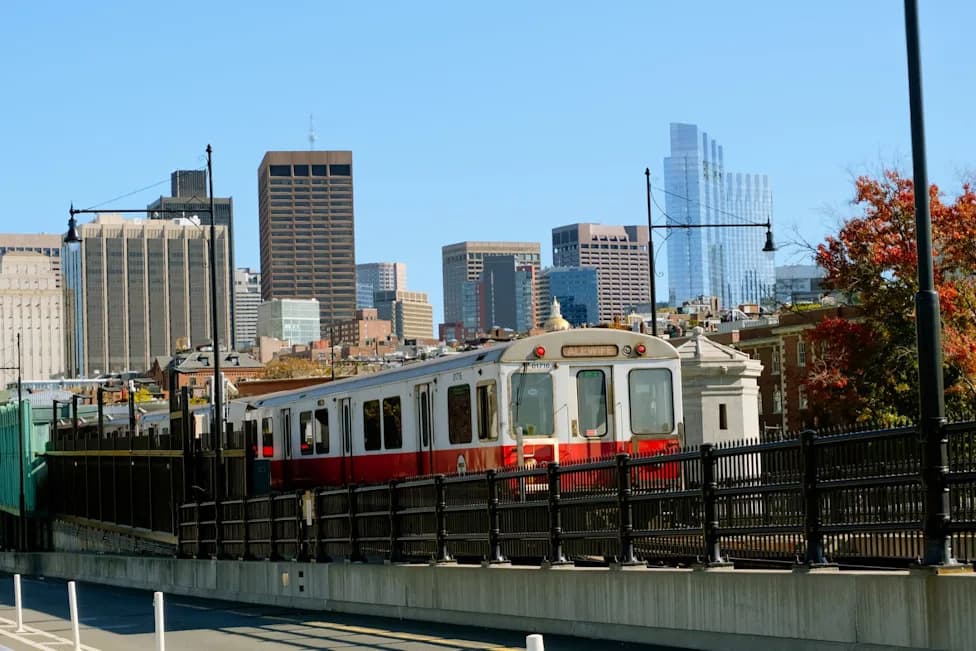
Photo Credit: iStock
Arlington, Massachusetts, officials are urging lawmakers to repeal a 1980 statutory restriction that prevents the Massachusetts Bay Transportation Authority (MBTA) from pursuing a Red Line extension through the town without explicit legislative approval. Local leaders say the town's housing growth plans will strain existing roads and that improved transit is essential to avoid worsening congestion.
Legislative Push and Local Vote
Arlington's legislative delegation — state Representatives Sean Garballey and David Rogers and Senator Cindy Friedman — filed a bill to strike the 1980 restriction after Arlington Town Meeting approved a home rule petition in May by a 145-54 vote, according to the State House News Service. Supporters say removing the statutory barrier would allow planners and the MBTA to re-examine previously developed proposals and study modern transit options.
Voices from the Community
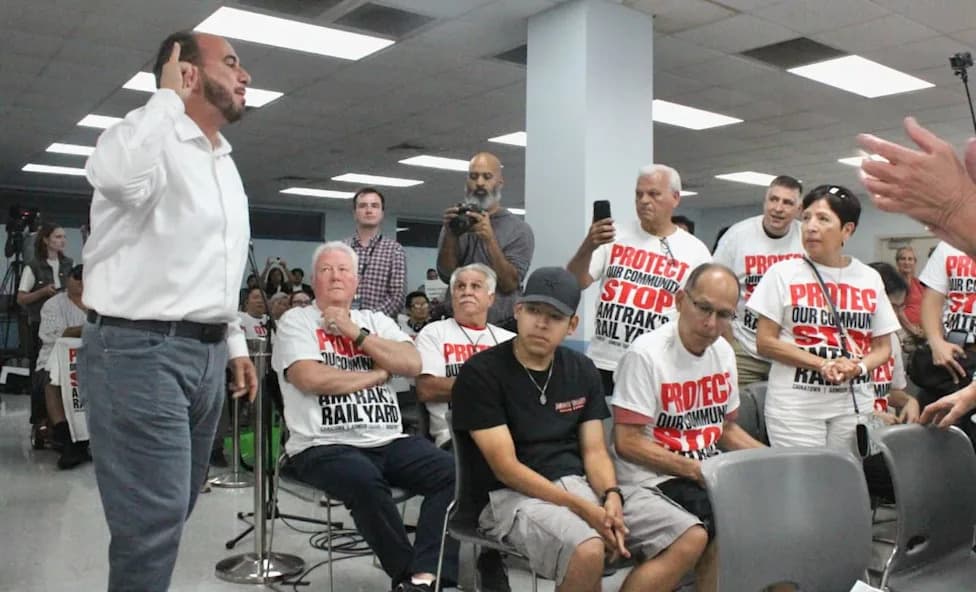
"We'll choke in traffic if we don't get better transit in town," said Paul Schlichtman, an Arlington Town Meeting member and member of the community group Extend the Red Line.
"It's a goal to provide more services to our constituents. The town of Arlington is made up of around 45,000 people... and there is no train service that goes through the town of Arlington," Rep. Sean Garballey said.
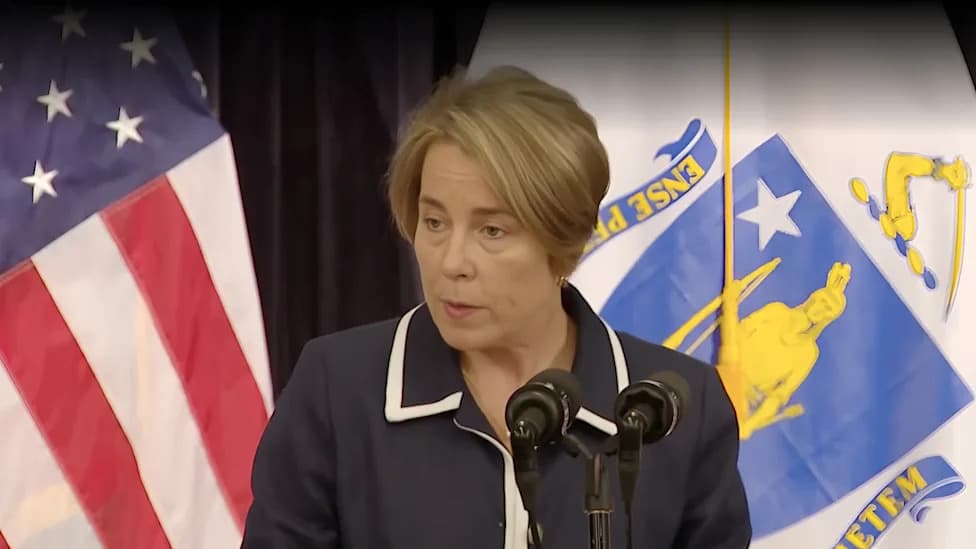
Sen. Cindy Friedman added that while an extension may not be imminent, laws should not outright prohibit future transit projects.
History and Current Context
Today the Red Line terminates at Alewife Station in Cambridge, adjacent to Arlington. State data cited by the State House News Service reported that the Red Line averaged between about 107,000 and 146,000 daily riders in 2025, depending on the month. MBTA planning in the 1970s envisioned routing the Red Line through Arlington Center to Arlington Heights, with a possible later extension toward Route 128, but those plans were derailed by local opposition in Arlington and Lexington.
Backers of repeal say they want to "dust off" that earlier planning work rather than start entirely from scratch, while noting that removing the 1980 restriction would only clear a legal obstacle — it would not guarantee funding, design work, or construction.
Studies, Funding and Next Steps
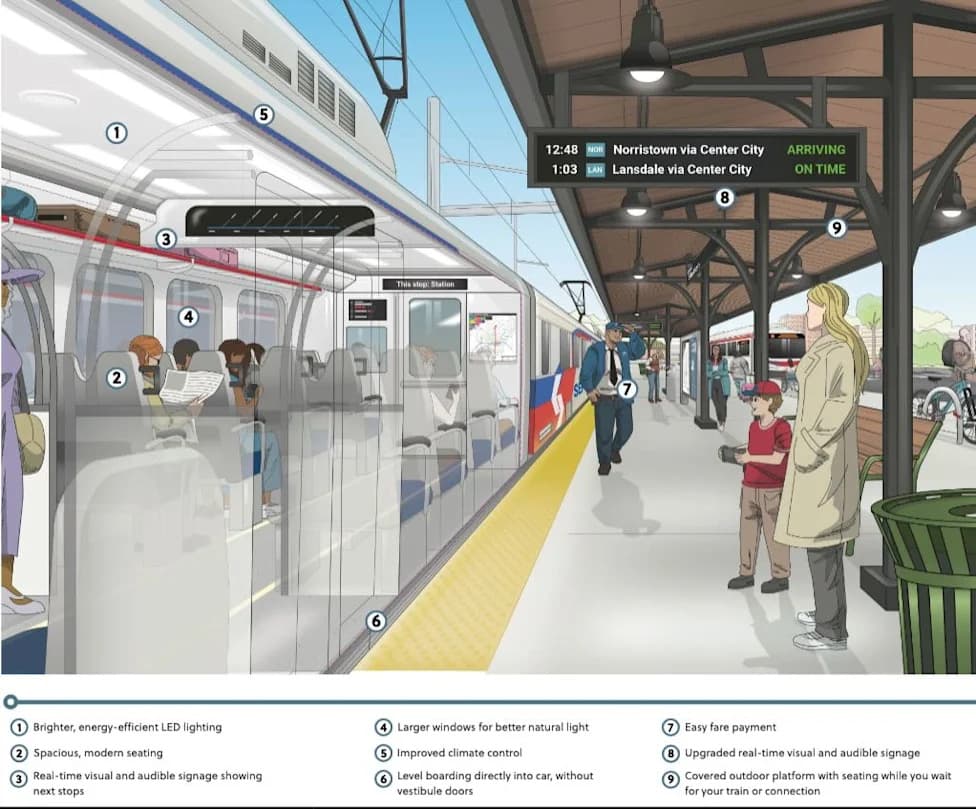
Neither the MBTA's 2026–30 nor 2027–31 capital investment plans set aside construction funds for a Red Line extension, though both acknowledge public interest in exploring the idea. Supporters secured a $50,000 fiscal 2027 earmark to fund an MBTA study examining the costs and the agency's capacity to either extend the Red Line or implement Bus Rapid Transit (BRT) from Alewife along Route 2 to the Concord Rotary. A separate bill, H 3666, would create a commission to review transit options for Arlington and Lexington.
Arlington's Select Board previously recommended no action, noting the 1980 restriction may have effectively expired after the MBTA completed its Northwest Extension in 1985 and that the MBTA did not appear to view the old language as an insurmountable legal barrier. Advocates counter that explicitly removing the restriction would clear uncertainties and allow formal feasibility work to proceed.
Why It Matters
Local officials argue that increasing housing density without viable transit alternatives will deepen car dependence and traffic congestion. The repeal effort is framed as a preparatory step: enabling studies, public engagement, and planning so Arlington can pursue credible transit solutions if funding and political will align.
Reporting in this story is based on accounts from the State House News Service and public statements from Arlington officials and state lawmakers.
Help us improve.