The adaptive-aging hypothesis (Fernandez, Burke & Nadel) proposes that healthy aging may reorganize memory systems to favor accumulated knowledge, pattern recognition, and broader meaning over rapid encoding of novel details. This framework helps explain why fluid intelligence often declines while crystallized intelligence remains stable or improves. It applies to typical aging — not to diseases like Alzheimer’s — and calls for new research and measures to better capture later-life cognitive strengths.
The Aging Brain May Be “Changing Jobs” — Not Just Losing Skills

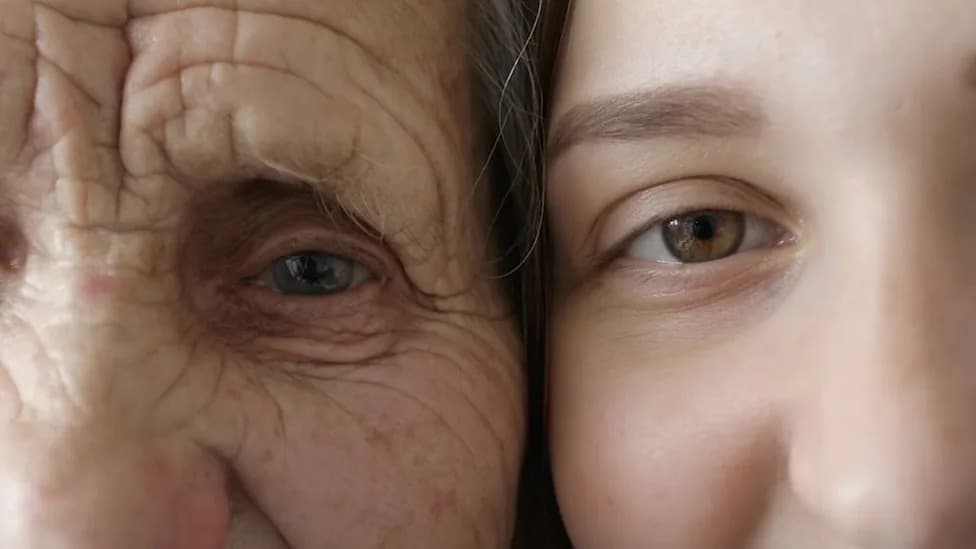
Portrait of a beautiful senior woman
The aging brain is often judged by what it loses: slower learning, fuzzier recall, and longer reaction times. A new theoretical framework suggests that this view may miss a different possibility — that healthy brains reorganize with age to emphasize different cognitive strengths.
The adaptive-aging hypothesis, proposed by Fabian-Xosé Fernandez, Sara N. Burke, and Lynn Nadel in Perspectives on Psychological Science, argues that healthy aging can involve a shift in how memory systems are prioritized. Rather than treating later-life change as only decline, the framework suggests the brain may trade rapid encoding of new details for deeper use of accumulated knowledge, pattern recognition, and broader meaning.
What Changes — And What Stays Strong
Decades of research show that aging does not affect all cognitive abilities equally. Fluid intelligence — the speed of processing, flexible problem solving, and forming highly detailed episodic memories — typically declines with age. By contrast, crystallized intelligence — vocabulary, expertise, and accumulated understanding — often remains stable or improves.
The authors propose this pattern reflects a functional reorganization: the brain may increasingly rely on cortical networks that integrate information and extract generalizable meaning, and place less emphasis on hippocampus-driven, event-specific memory. In everyday terms, this can look like remembering the lesson of a conversation rather than every word, or recognizing a familiar pattern even if the precise details are hazy.
Everyday Implications
That shift helps explain why older adults often excel in roles emphasizing judgment, mentorship, and knowledge transfer, even when they are slower to learn or respond. An experienced professional may not absorb new technical details as quickly as a novice, but they may spot patterns and foresee consequences based on years of similar situations.
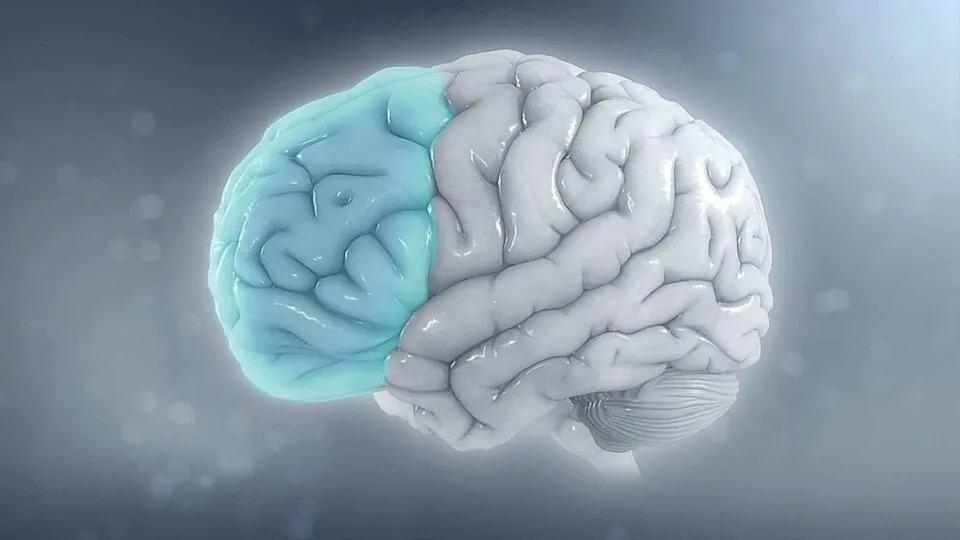
Image Credit:https://www.scientificanimations.com/,CC BY-SA 4.0, via Wikimedia Commons
"The brain may not be failing at its old job — it may be taking on a different one."
Important Caveats
The adaptive-aging hypothesis applies to healthy aging, not to disease-related decline. Conditions like Alzheimer's disease are distinct and remain a major public-health concern. In the United States, an estimated 7.4 million adults age 65 and older were living with clinical Alzheimer’s dementia in 2026 — about 11% of that age group — with prevalence rising sharply with age.
Normal aging can include occasional forgetfulness or slower retrieval, but memory changes that interfere with independence (managing finances, medications, or daily tasks) require medical evaluation.
Research And Social Implications
The authors frame their proposal as a research framework built from existing neuroscience, behavioral studies, imaging, and comparative work, not as proof that every brain follows the same path. If supported by further research, the adaptive-aging view could change how we measure cognitive ability and design roles, education, and workplaces to better capture strengths that grow with experience.
Reframing later-life cognition away from a singular focus on speed and perfect recall toward appreciation of pattern recognition, context, and wisdom could help society value older adults' contributions more accurately.
Image credit: https://www.scientificanimations.com/, CC BY-SA 4.0, via Wikimedia Commons
Help us improve.