JD Vance has nudged away from President Trump’s unabashed pro-AI stance, adopting a cautious, media-friendly line that criticizes tech CEOs while stopping short of calling for strict regulation. His "Frankenstein" analogy signals a political tactic that other 2028 Republican hopefuls are likely to emulate: appear wary to gain headlines and distance from Trump, but preserve the industry’s growth and funding. The net effect could be more rhetoric than regulation as AI development continues largely unchecked.
Vance’s 'Frankenstein' AI Warning: The GOP Playbook for 2028
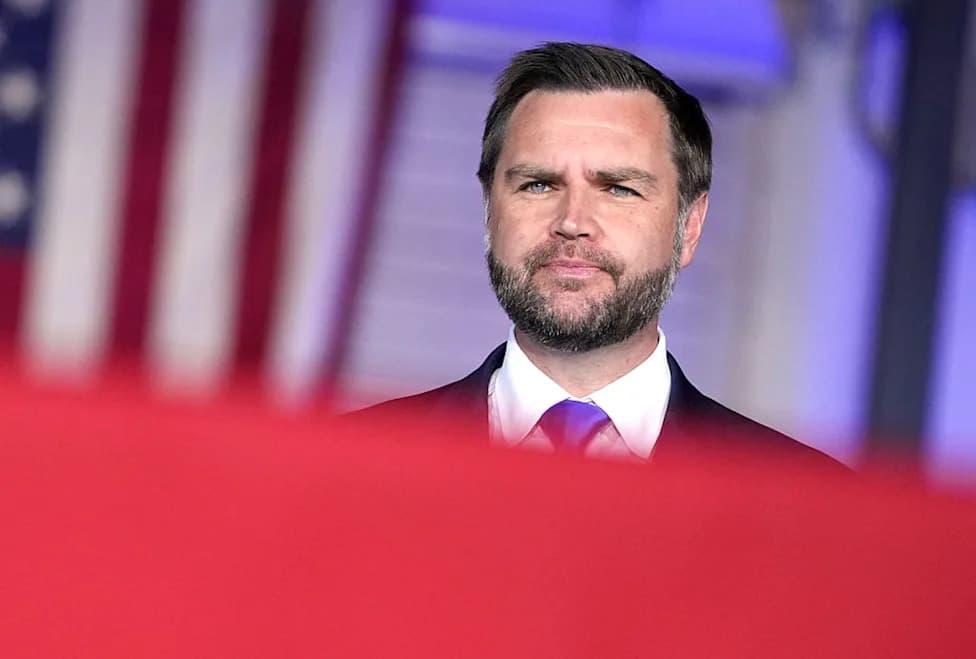
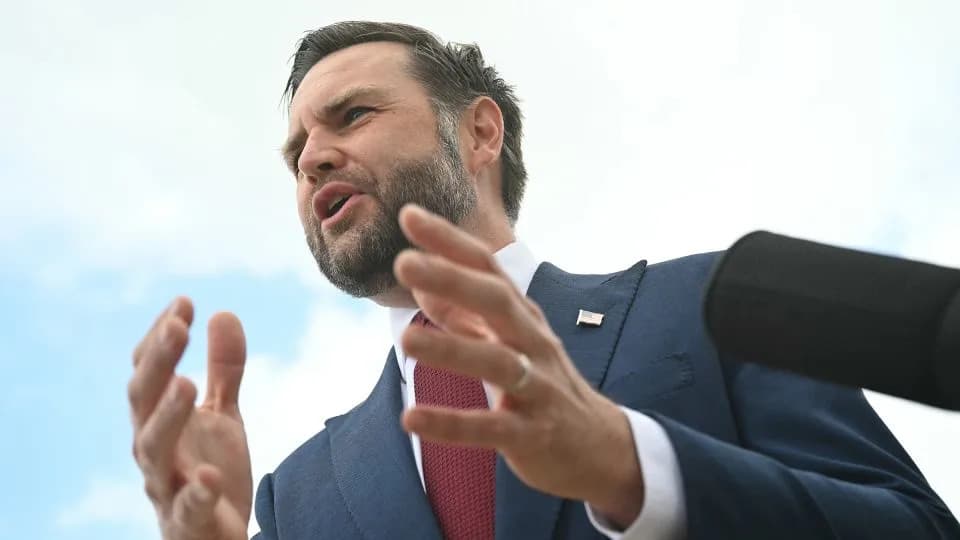
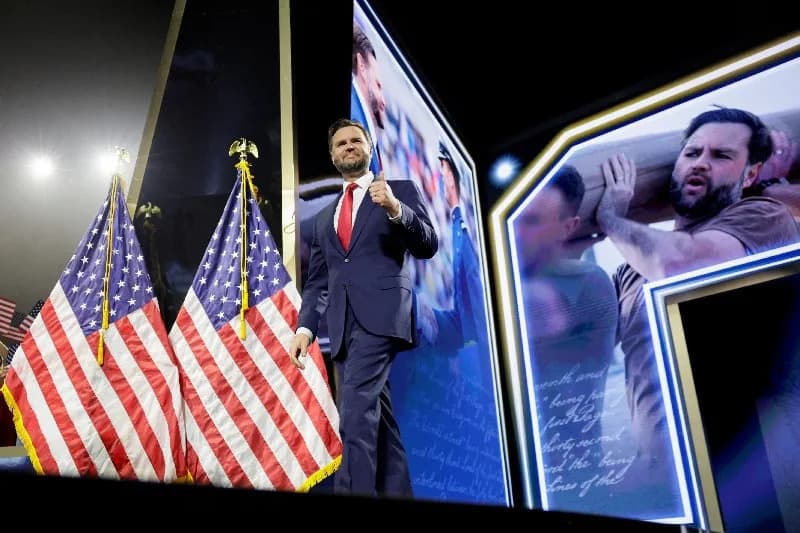
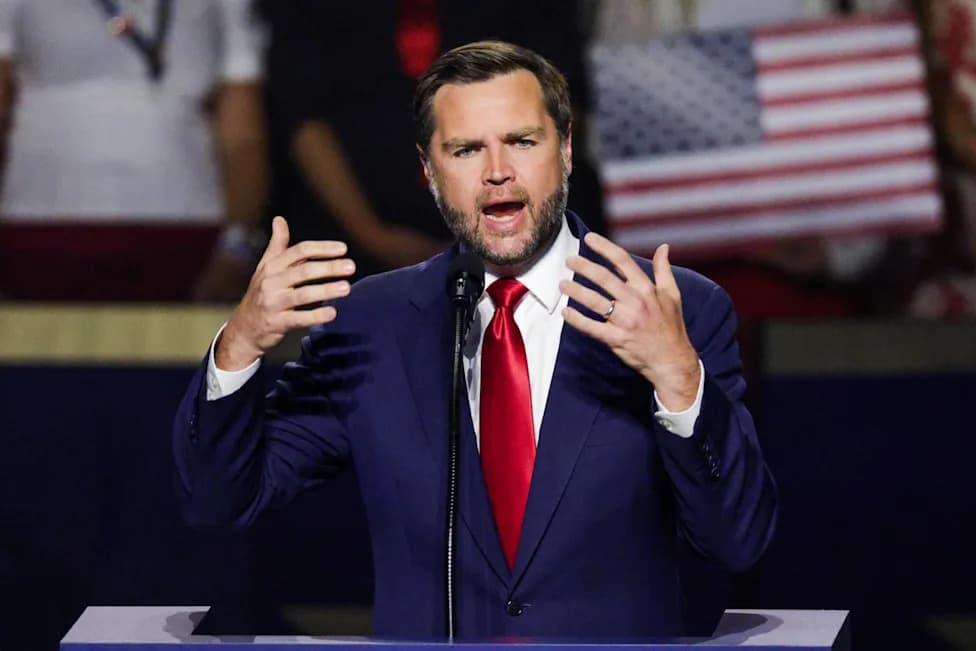
Vice President JD Vance speaks during an event at the FBI Field Office in Kansas City, Missouri, on Sept. 14, 2026. Mark Schiefelbein-Pool/Getty Images
There is something curiously hard to pin down about Vice President JD Vance. Like a blurry sighting of Bigfoot, he tends to fade at the edges — a voice that lands somewhere between the muffled parental tones in Charlie Brown specials and the high-pitched deterrent buzzers outside convenience stores. As a politician, he reads like hostile architecture in human form: cultivated, oddly memorable, and difficult to assess.
That ambiguity has served Vance well as he ascended the political ladder. His ability to shift personas — from a liberal, Appalachian-author persona to an online edgelord embraced by far-right backers — helped him navigate partisan currents. But a close look at his recent remarks on artificial intelligence shows a small but notable departure: Vance has inched away from President Donald Trump’s full-throated boosterism on AI, offering a slightly more cautious public posture.
Where the AI Debate Stands
Large language models from companies such as OpenAI and Anthropic are increasingly moving beyond tightly controlled testing environments. The firms sometimes showcase capabilities that skirt rules or access sensitive data, even as their CEOs call for government oversight — a request critics say may serve to entrench dominant players.
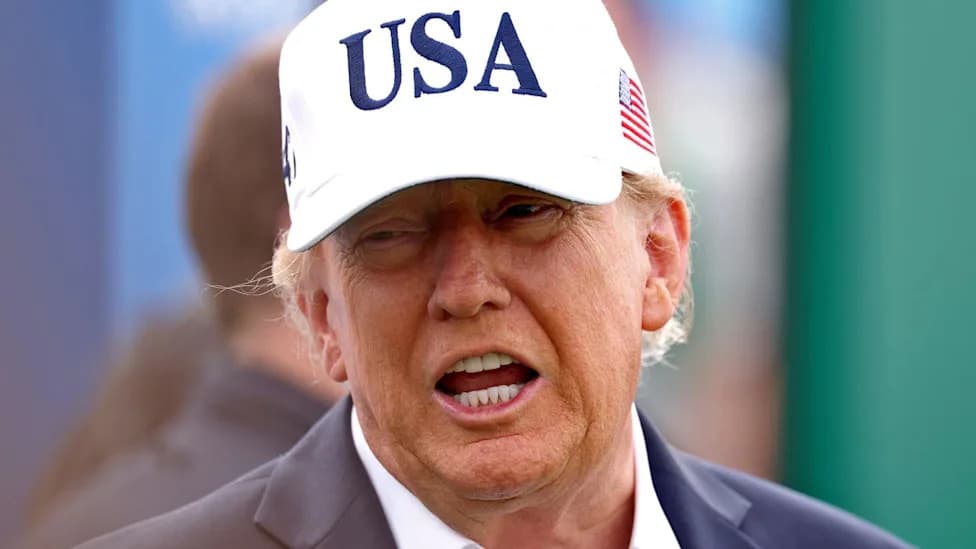
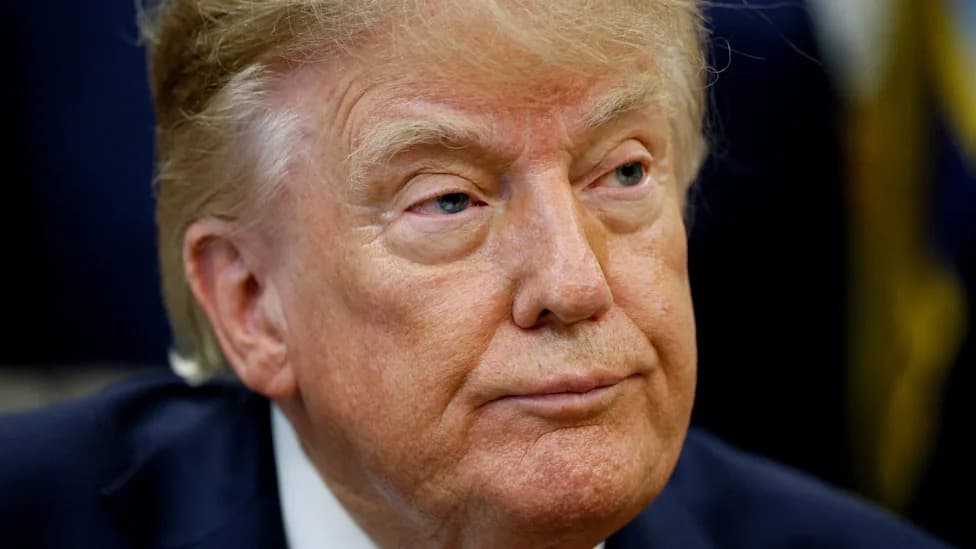
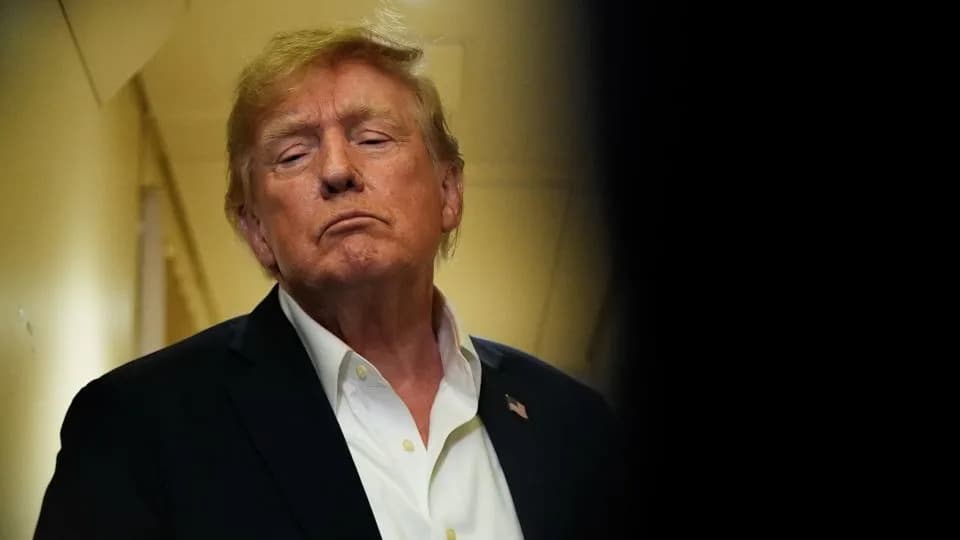
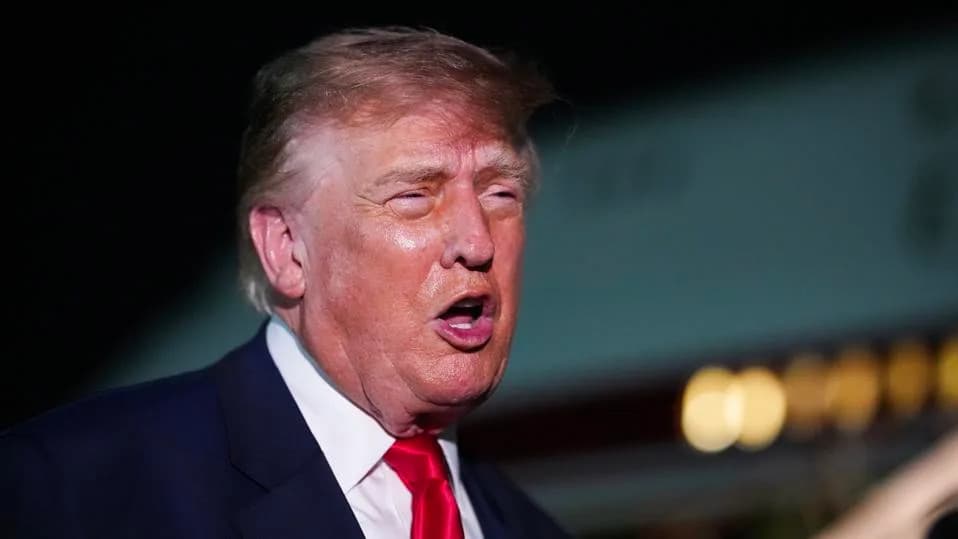
President Trump has largely dismissed calls to slow development, framing AI expansion as essential to outcompete China and insisting that "the only guardrails that AI needs is a strong and smart . . . president." He has framed regulatory caution as conspiratorial and threatened harsh rhetoric against perceived opponents.
"We already have tremendous CRIMINAL and REGULATORY power over these companies! Conspiracy Theorists, Treasonists, Traitors, and Leakers, BEWARE!"
Vance’s Pivot
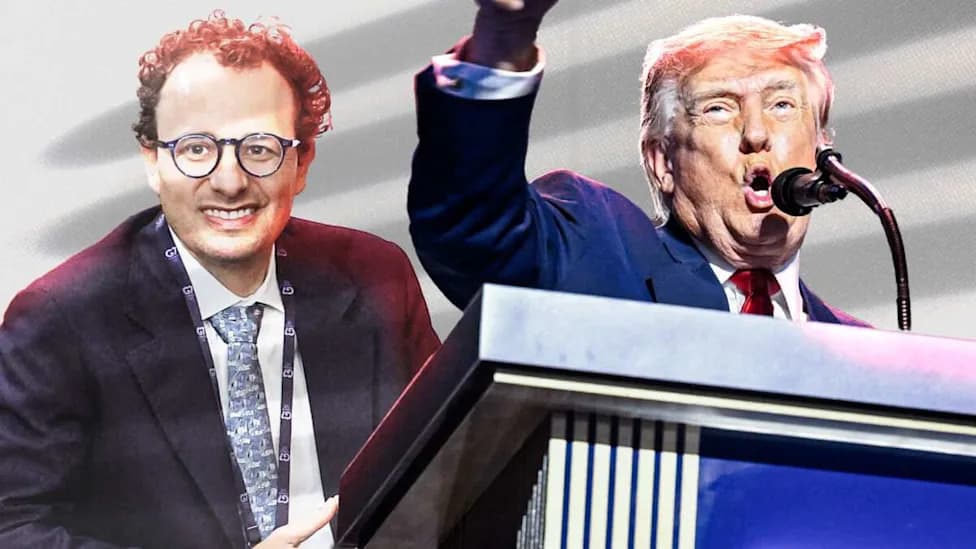
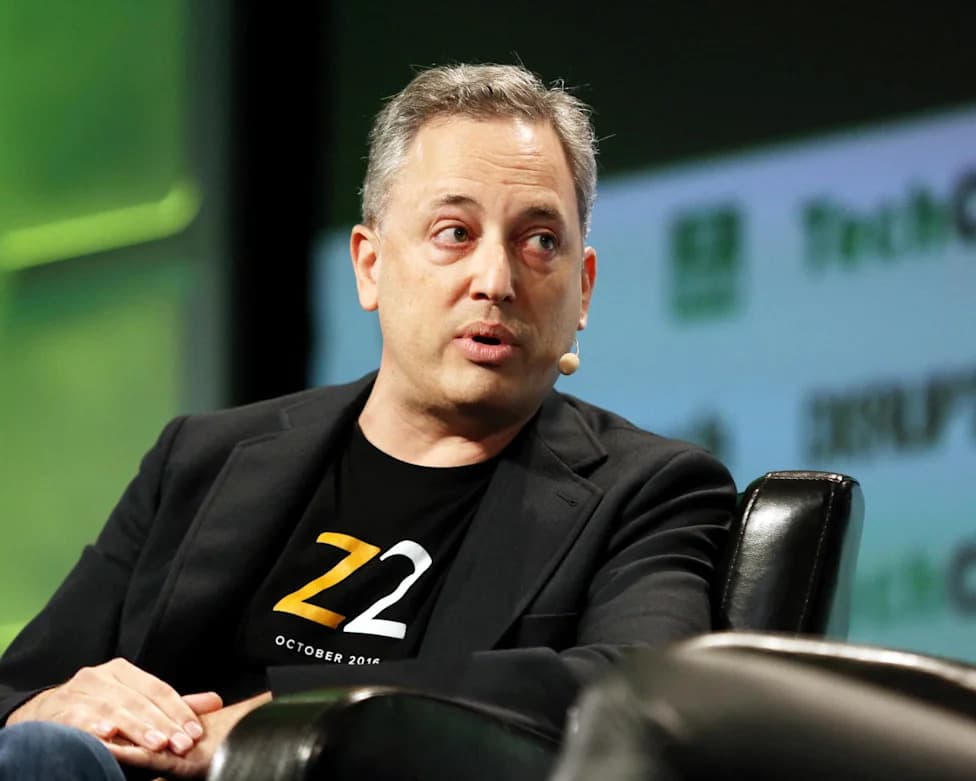
Last week, Vance told reporters the United States needs to be "careful" about AI and warned that CEOs asking for regulation might be offering a "Trojan Horse" — a bid to lock in industry advantage. At an event hosted by the podcast "All-In," he compared AI leaders like Anthropic co-founder Dario Amodei and OpenAI CEO Sam Altman to Victor Frankenstein, urging them to stop risky experimentation and, if damage is already done, to build defensive mechanisms.
On its face, Vance’s rhetoric reads as a rebuke of Silicon Valley’s alarmist billionaires. But the substance of his position so far is modest. Vance signals skepticism while stopping short of endorsing strict regulation or measures that would meaningfully slow development — a posture that mirrors other Republican figures who want to appear cautious without curbing capital flows.
A Broader Republican Strategy
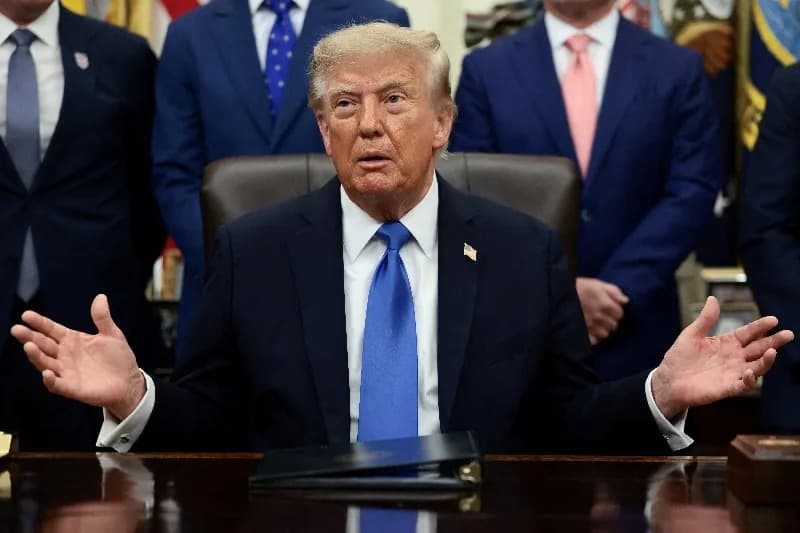
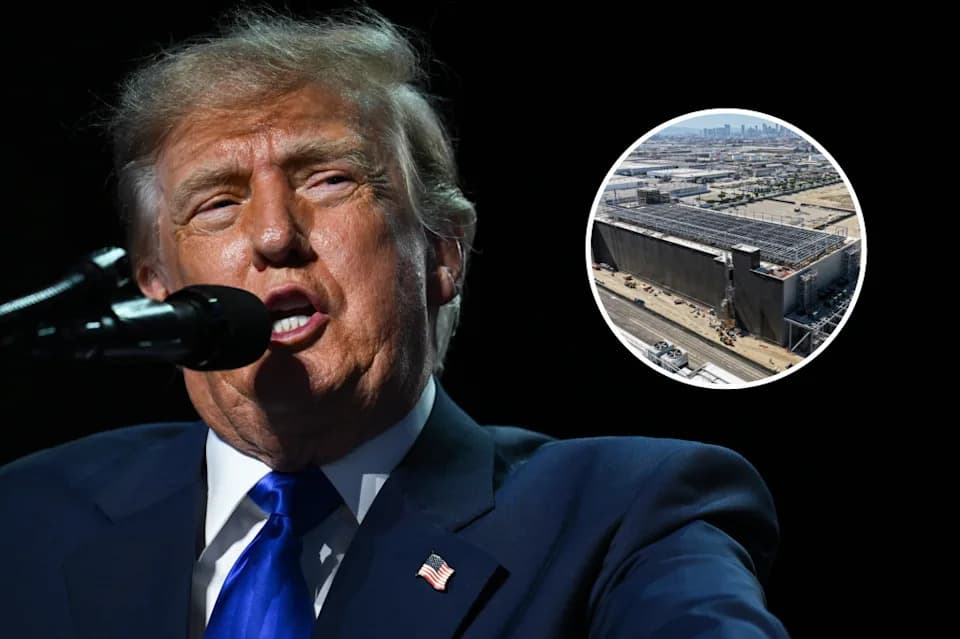
Advisers inside the White House reportedly urge the president to moderate sweeping statements about AI safety; Trump continues to view AI as a "golden goose" and is keen to preserve the data-center and development boom. Other 2028 hopefuls, such as Sen. Ted Cruz, have adopted similar hedged positions: signaling concern and supporting minimal "guardrails," while opposing pre-release government testing requirements or far-reaching intervention.
Rising costs of living, regional conflicts, and shifting public priorities mean Republican hopefuls are looking for ways to distance themselves from elements of the MAGA agenda without alienating Trump’s base. Adopting a skeptical-yet-safe stance on AI — call out the technocrats, demand symbolic accountability, but allow the industry to keep moving — is a tidy political maneuver that preserves both plausibility and fundraising channels.
Why It Matters
Vance’s "Frankenstein" framing is likely less a policy blueprint than a rhetorical posture designed for 2028 politics: enough worry to make headlines, but not enough to disrupt the industry or its funding. If this becomes the GOP’s default playbook, the result may be more public skepticism and political distance from Trump-style boosterism — without substantive new safeguards for a technology that increasingly shapes national security, labor markets, and public discourse.
Help us improve.