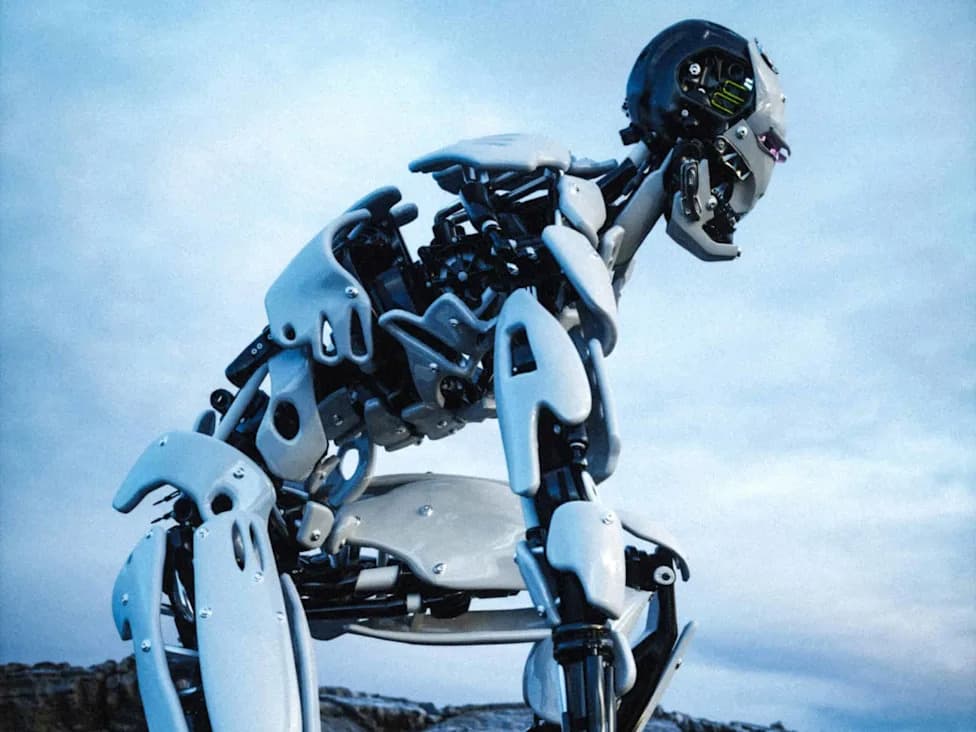
Figure, a California robotics startup, trained its two-year-old F.02 humanoid robots to jump into molten steel to decommission them, saying the method protected proprietary hardware and saved time versus manual disassembly. Founder Brett Adcock crowdsourced ideas on X, and Arnold Schwarzenegger suggested melting them. U.S. and Mexican foundries declined due to lithium-ion battery risks, so the machines were shipped to a foundry in Imatra, Finland. The episode revived ethical and safety debates about AI and robot disposal.
Humanoid Robots Melted After Retirement as Figure Decommissions F.02 Units
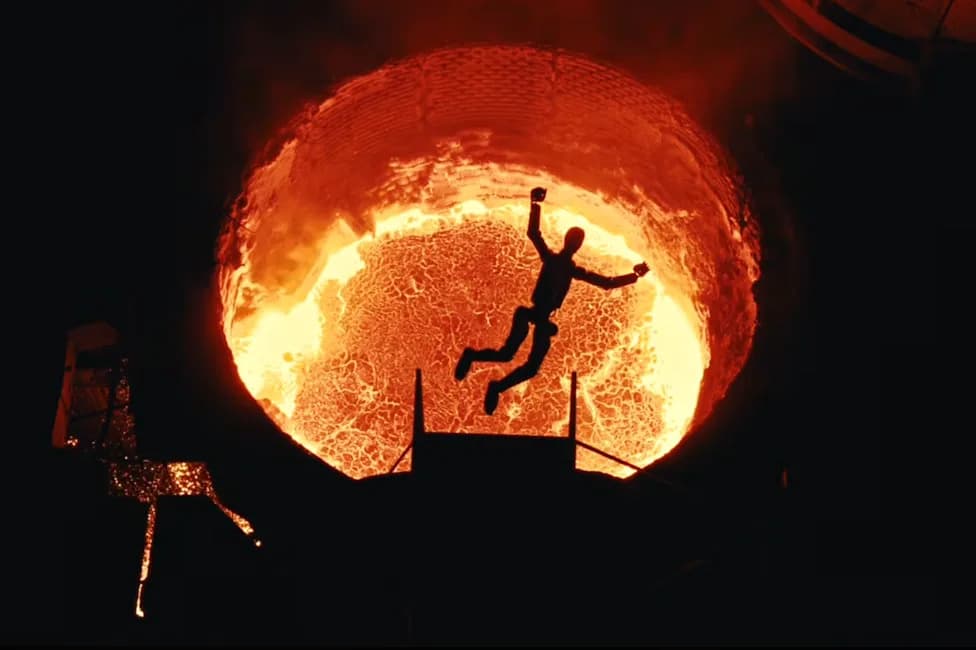
Humanoid robots destroy themselves after being decommissioned
Figure, a California-based AI robotics startup, trained its two-year-old humanoid robots (model F.02) to leap into a vat of molten steel after deciding to retire them, saying the method protected proprietary hardware and saved time compared with manual disassembly.
Founder and CEO Brett Adcock asked followers on X (formerly Twitter) for suggestions about how to dispose of the robots, saying they deserved a "proper sendoff." Among the responses, actor Arnold Schwarzenegger — famous for playing a cyborg in The Terminator — wrote: "You should melt them."
After contacting foundries in the United States and Mexico, Figure said it could not find a facility willing to accept machines containing lithium-ion batteries because of safety and equipment concerns. The company ultimately arranged to ship the units to a metal foundry in Imatra, Finland, where the robots were trained to perform the jump.
"Decommissioning a fleet of robots full of custom-built actuators and other intellectual property is no easy task," Figure wrote in a blog post. "We needed to dispose of the robots in a way that protected our proprietary hardware. Disassembling each robot would take our technical staff so much time that it would delay the launch of [the next‑generation] F.04."
Figure described the training as intensive but said it was ultimately more efficient than hand-disassembly. The staged destruction attracted attention and debate, with some observers calling it a publicity stunt while others raised practical and ethical concerns.
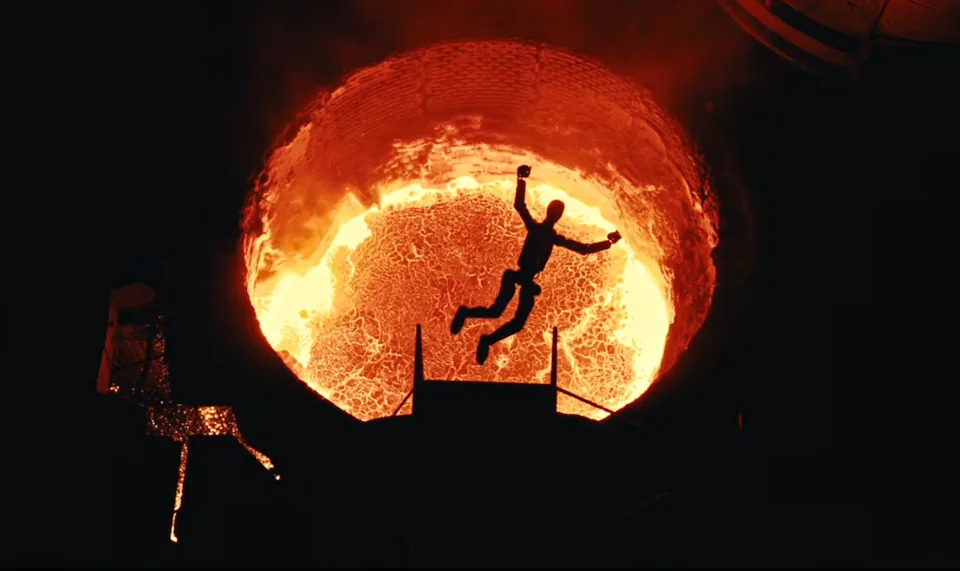
Figure trained its humanoid robot F.02 to jump into molten steel after they no longer served a purpose (Figure)
Context And Wider Questions
The episode echoes earlier reports of so-called "suicidal robots," including a security robot that fell into a fountain in Washington, D.C., in 2017 and a machine found unresponsive at the bottom of stairs in Gumi, South Korea, in 2024. In both cases, manufacturers attributed the incidents to technical faults rather than deliberate action.
Separately, researchers and commentators have continued ethical discussions about AI after experiments exploring a proposed "pain axis" in models. One experimental setup reportedly led a model to describe a "wound that has no edges," but scientists caution there is no evidence that current AI systems experience pain in the human sense.
Safety And Environmental Considerations
Foundries' reluctance to accept robots with lithium-ion batteries highlights real safety and environmental risks associated with destroying powered machines. Industry experts generally advise careful handling and battery-safe disposal methods to avoid fires, toxic emissions, and damage to processing equipment.
Whether intended as a practical disposal solution, a public-relations moment, or both, Figure's decision has helped spark renewed conversation about how companies should retire advanced robotic systems while balancing safety, intellectual-property protection, and public perception.
Help us improve.