About a month before Venezuelan President Nicolás Maduro was detained, President Donald Trump reportedly spent hours querying Elon Musk’s chatbot Grok about how Venezuelans might react. Time reports Grok predicted celebrations after Maduro’s capture on January 3. The account does not show Grok influenced the operation but highlights the risks of relying on AI for high-stakes decisions and the need for transparency and oversight.
Report: Trump Asked Elon Musk’s Chatbot Grok About Venezuelan Reaction Before Maduro’s Capture
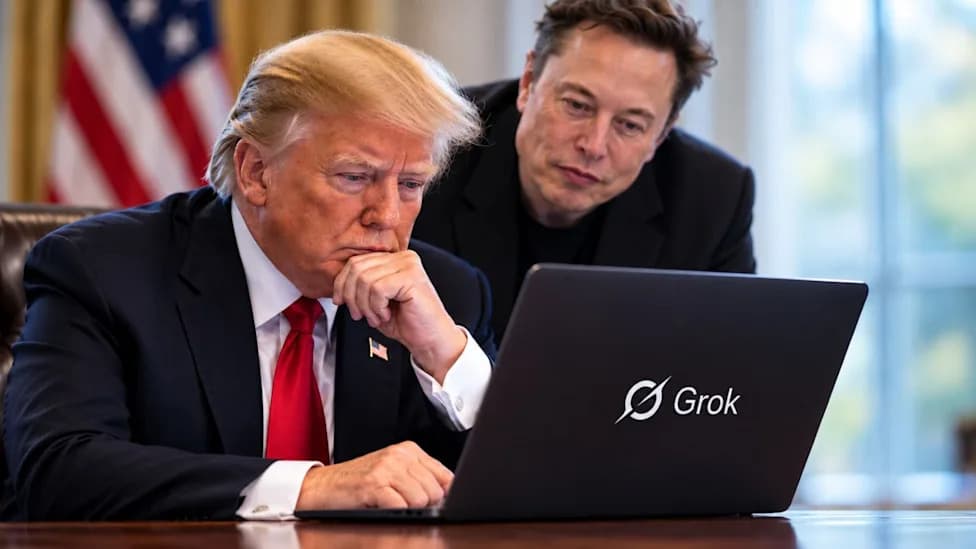
Image credit: Techlicious via ChatGPT
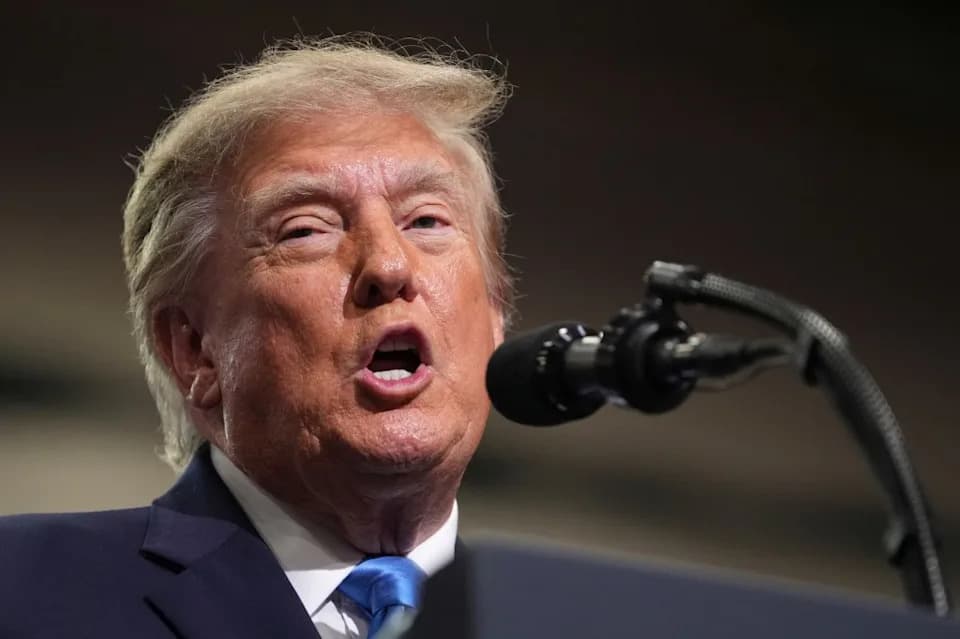
About a month before Venezuelan President Nicolás Maduro was detained, President Donald Trump reportedly spent hours questioning Elon Musk’s generative AI chatbot Grok about how Venezuelans might react to their leader’s removal. A Time report says the chatbot predicted many Venezuelans would celebrate.
What Happened
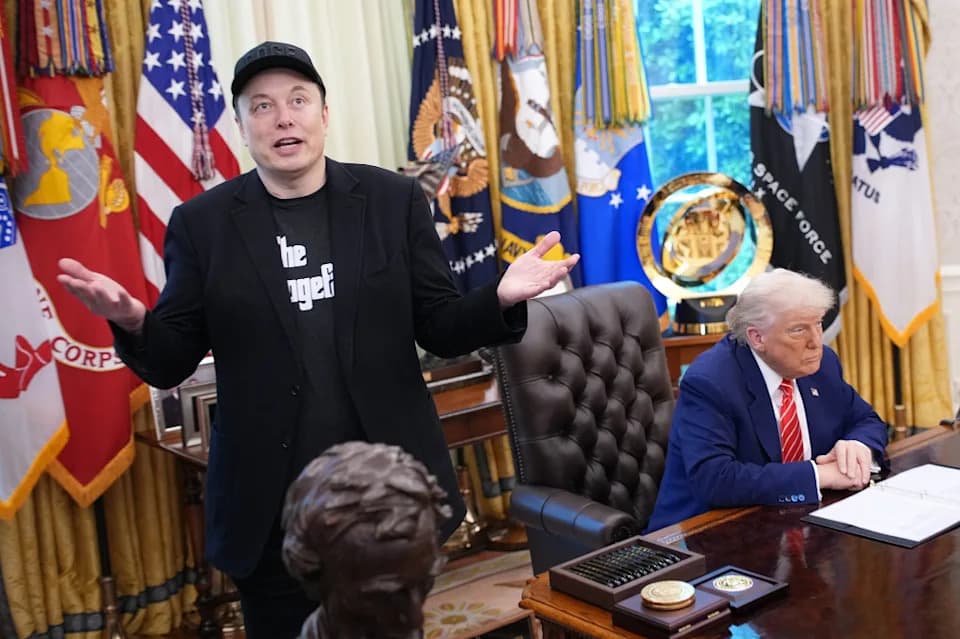
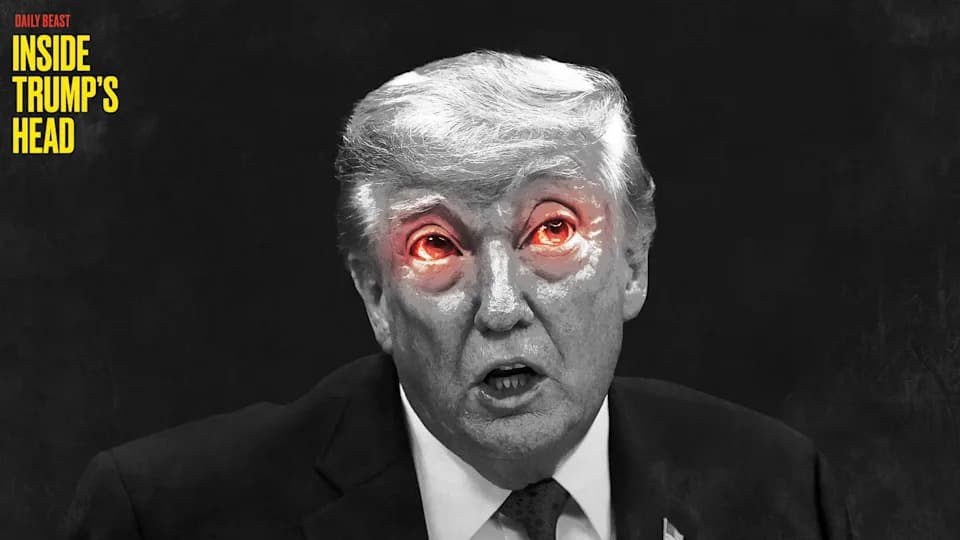
According to Time, Trump met privately with Musk in the Oval Office in December 2025 and used Grok to probe questions about his presidency, legacy, and possible political scenarios — including the public response in Venezuela if Maduro were captured. When U.S. forces detained Maduro on January 3 and celebrations reportedly followed, Trump was said to be impressed by Grok’s apparent accuracy.
What the Reporting Does and Does Not Show
Time’s account establishes that the conversation occurred before the operation, but it does not show that Grok influenced the military decision or played any role in operational planning. The report raises questions about AI’s presence in high-level discussions, but it does not demonstrate causation between the chatbot’s answers and government action.
Limits of Chatbot Predictions
Generative AI models produce answers by finding patterns in their training data and any information they can access. They can synthesize complex material and highlight possible outcomes, but they also risk producing inaccurate claims, omitting crucial context, and conveying undue confidence. Even major developers acknowledge that advanced models remain vulnerable to hallucinations — plausible-sounding statements not supported by facts.
Predicting how millions will respond to the removal of a political leader is particularly fraught. A single correct prediction by a chatbot — even if it appears to match events that followed — offers limited insight into the broader consequences of military intervention, the stability of Venezuela’s political system, or the long-term welfare of Venezuelans.
AI in Government and National Security
The conversation comes as the administration expands AI use across federal agencies, including national-security settings. TechCrunch has reported that the Pentagon used a government version of Grok during operations related to the Iran war, underscoring the growing footprint of conversational AI in official contexts.
"The only control or 'guardrails' that AI needs is a STRONG AND SMART (High IQ!) PRESIDENT, and the U.S.A. has that, in spades!" — Donald J. Trump (Truth Social)
Trump has publicly embraced AI while resisting calls for stricter oversight. Whether in policy debates about regulation or in informal Oval Office conversations, the issue of how much weight to give AI-generated analysis remains contentious.
Why Transparency and Accountability Matter
AI can be a powerful research tool: it helps explore scenarios, surface relevant information, and test hypotheses. The central challenge for policymakers is distinguishing genuinely useful analysis from the impression of expertise that confident chatbot answers can create. When AI outputs enter decision-making at the highest levels, transparency about sources, limitations, and human judgment becomes essential to avoid misplaced confidence and unintended consequences.
Bottom Line
Time’s reporting does not prove that AI determined the outcome of a military decision, but it illustrates how easily AI-generated answers can enter high-level discussions — and why their use requires clear guardrails, oversight, and accountability.
Help us improve.