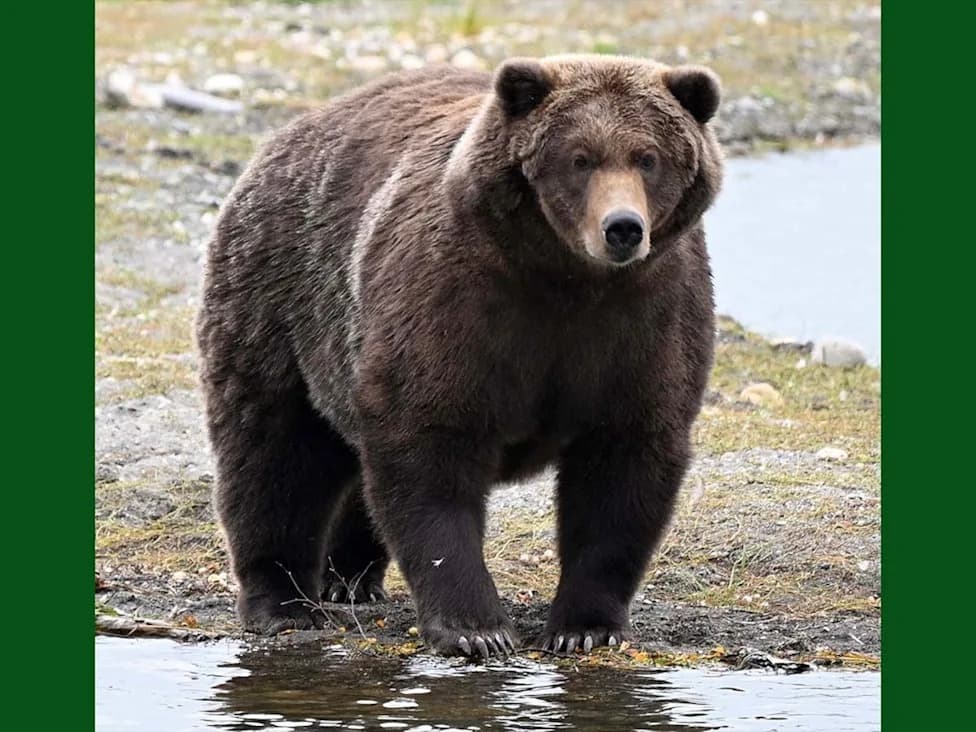
The Arctic's rapid warming is increasing encounters between people and bears, prompting renewed demand for trained Inuit bear guards. Derrick Pottle founded BearSafe Planning in 2005 in Tikigâksuagusik, Nunatsiavut, and runs a three-day course that certifies people to guard against polar and black bears. Graduates use watchkeeping, behavioural recognition and deterrence tools to reduce dangerous interactions while creating seasonal employment and supporting community safety.
In a Warming Arctic, Inuit Bear Guards Keep Communities and Wildlife Safe
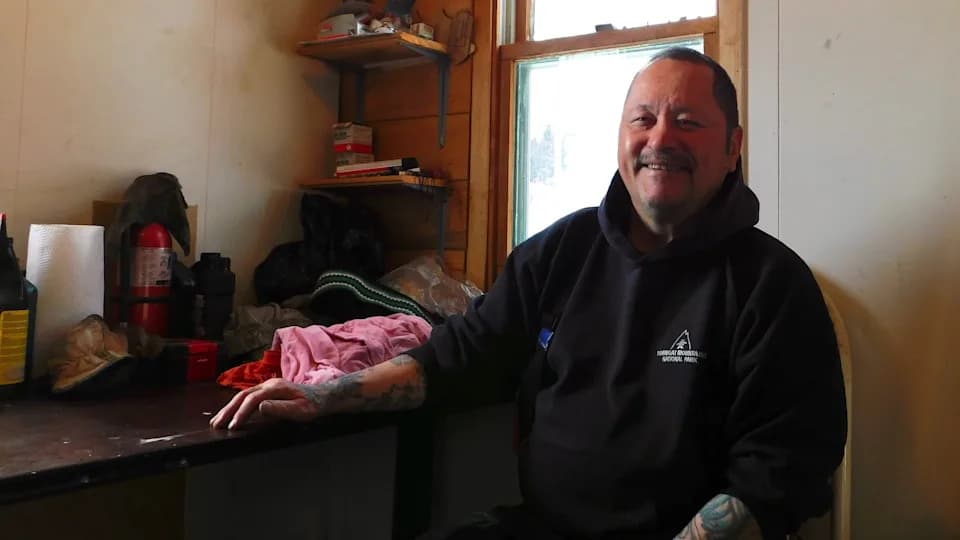
Inuk elder Derrick Pottle founded BearSafe Planning in 2005 to keep people and bears safe. That work has taken on renewed urgency as climate change reshapes the Arctic and encounters with bears grow more common.
After a long career as a conservation officer with the Canadian government, Inuk elder Derrick Pottle shifted his work to guiding people on the land, carving, hunting and training bear guards for Inuit communities across northern Labrador.
Pottle, from Tikigâksuagusik in Nunatsiavut, founded BearSafe Planning in 2005. The organization runs a three-day certification course—advertised as providing "safety, protection, confidence in bear country"—that prepares students to guard against polar bears and black bears that appear throughout the region.
More than two decades after the program began, Pottle says the work has taken on renewed urgency. As the Arctic warms and the sea ice polar bears rely on to travel and hunt diminishes, bears are showing up at different times of year and in places where communities rarely saw them before. Those shifting patterns increase demand for people trained to protect both residents and animals.
"The whole objective of the course is to keep people and bears safe," Pottle says.
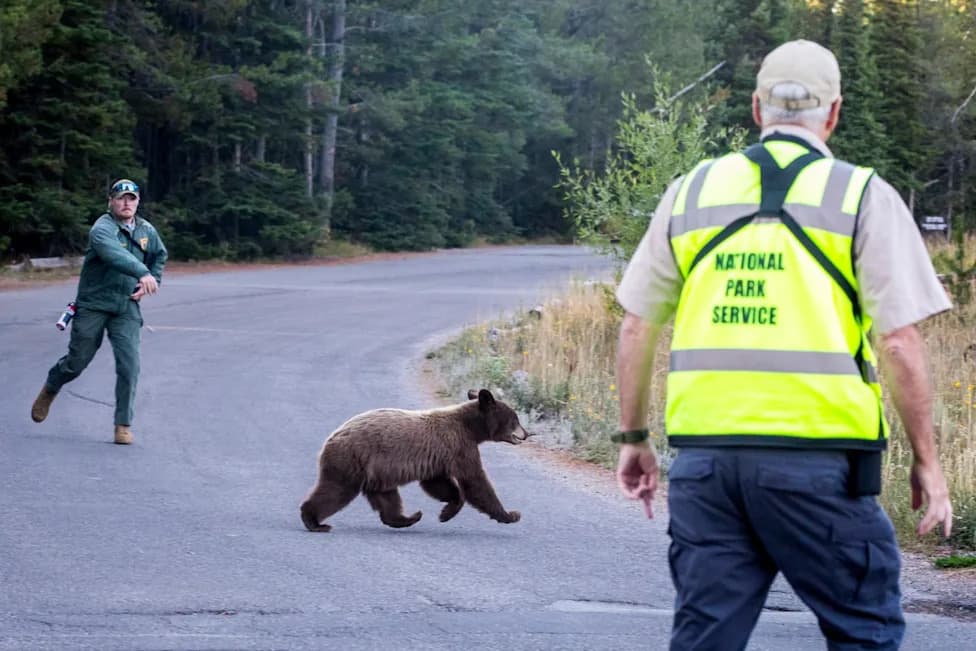
Graduates learn watchkeeping techniques, how to read bear behaviour and how to recognize warning signs—when an animal feels threatened, intimidated or is about to charge. The course covers practical preparation, deterrence tools and safe response strategies tailored to tundra, shoreline and inland conditions.
Why Guards Matter Now
Canadian officials report that encounters between people and polar bears are becoming more likely as a lengthening ice-free season keeps bears ashore for longer stretches. Inuit and Cree communities have recorded polar bears appearing more often and in areas where they were once rare. Researchers link the increase to a mix of factors: longer ice-free periods, changes in bear abundance and condition, and increased human activity in polar bear habitat.
Environment and Climate Change Canada estimates that 60–80% of the world's polar bear population lives in Canada. These large carnivores—capable of weighing up to about 1,400 pounds (~635 kg)—depend on sea ice to travel, hunt and breed. The federal agency identifies climate change as the principal threat to polar bears.
Training Built With Community Knowledge
Pottle developed BearSafe Planning's curriculum with input from Parks Canada, conservationists, Inuit elders and academics. The program grew out of local need after the creation of Torngat Mountains National Park under the 2005 Labrador Inuit Land Claims Agreement; managers required trained guards and Nunatsiavut initially lacked local trainers.
"They needed bear guards. We didn't have trainers in Nunatsiavut at the time. Somebody had to do it," Pottle recalls. He emphasizes that he remains a student as well as an instructor, learning continually from elders, hunters and course participants who bring generations of land knowledge.
Safety, Jobs and Community Stewardship
Beyond safety, the certification offers seasonal employment opportunities. Certified guards have worked for cruise operators, land-based tourism and education programs, and Inuit governments and agencies. Opportunities range from short assignments to longer-term positions, depending on the season and local demand.
For many, the course is also practical personal training for safe travel while hunting, fishing and visiting cabins. Graduates such as Sherri Wolfrey, a Tikigâksuagusik mother of four, say the skills bring confidence and peace of mind when spending time on the land. Wolfrey worked recently as a contracted guard in the Mealy Mountains National Park Reserve and praises both the training and the experience of working outdoors.
Pottle frames professional bear guarding as a meaningful component of northern employment. "It isn't always easy to find work in the North, and bear guarding can give people—if they choose to—an opportunity to make a good living from it," he says. After two decades teaching the course, Pottle describes the work as deeply rewarding: bringing knowledge back to communities, keeping people safe and helping them enjoy the land.
This story was originally published by IndigiNews and later updated with additional information by Grist.
Help us improve.