The DHS Office of Inspector General found errors in 40% of a 678-case sample of Afghan asylum files processed under Operation Allies Welcome. Inspectors reported 303 missing aliases, 23 missing security checks (with missed FBI name checks constituting nearly 60%), and more than 150 additional documentation deficiencies. Two files raised potential terrorism-related concerns. The OIG issued five corrective recommendations, all of which USCIS has agreed to implement.
DHS OIG: 40% Of Afghan Asylum Files Reviewed Contained Vetting Or Documentation Errors
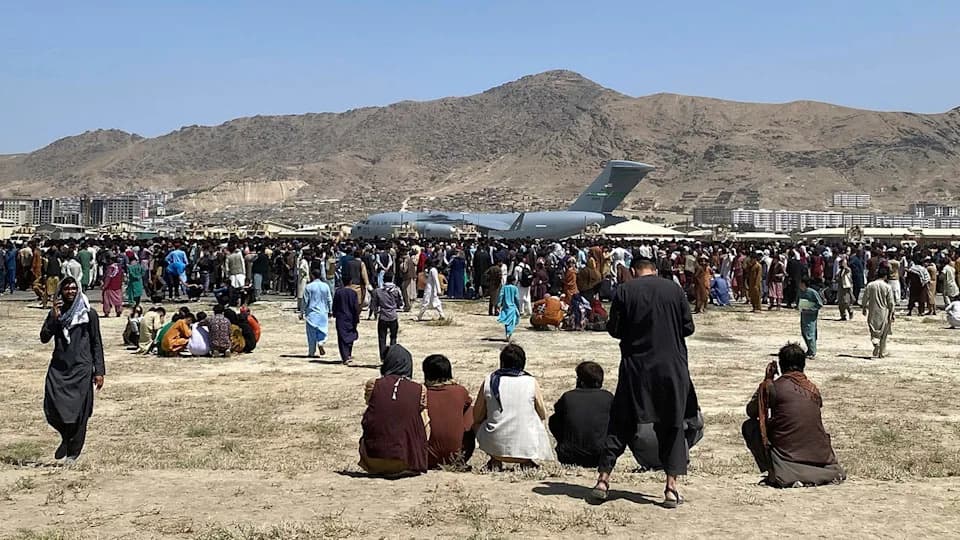
Hundreds of people gather near a U.S. Air Force C-17 transport plane at a perimeter at the international airport in Kabul, Afghanistan Aug. 17, 2021.
The Department of Homeland Security Office of Inspector General (DHS OIG) found documentation or vetting errors in 40% of a sample of Afghan asylum applications processed under Operation Allies Welcome (OAW), raising concerns that some ineligible applicants could have been approved.
What the OIG Found
The OIG reviewed a sample of 678 asylum applications filed by Afghan nationals admitted through OAW, the program established after the U.S. withdrawal from Afghanistan. Inspectors identified multiple record-keeping and procedural lapses, including:
- 303 instances where known aliases were not recorded in case files;
- 23 missing security checks, with missed FBI name checks accounting for nearly 60% of the absent security reviews;
- More than 150 additional documentation deficiencies, such as incomplete or missing forms and unclear supervisory sign-offs;
- Two applications that raised potential terrorism-related concerns, including one case with no paperwork documenting a required government review and another where a supervisory approval process was started but not completed.
Context And Reactions
The report arrives amid renewed scrutiny of OAW following several high-profile arrests of Afghan nationals admitted under the program reported in the media, including an alleged ISIS-K supporter, an individual charged with making terroristic threats, and another admitted evacuee later convicted of indecent exposure to a minor.
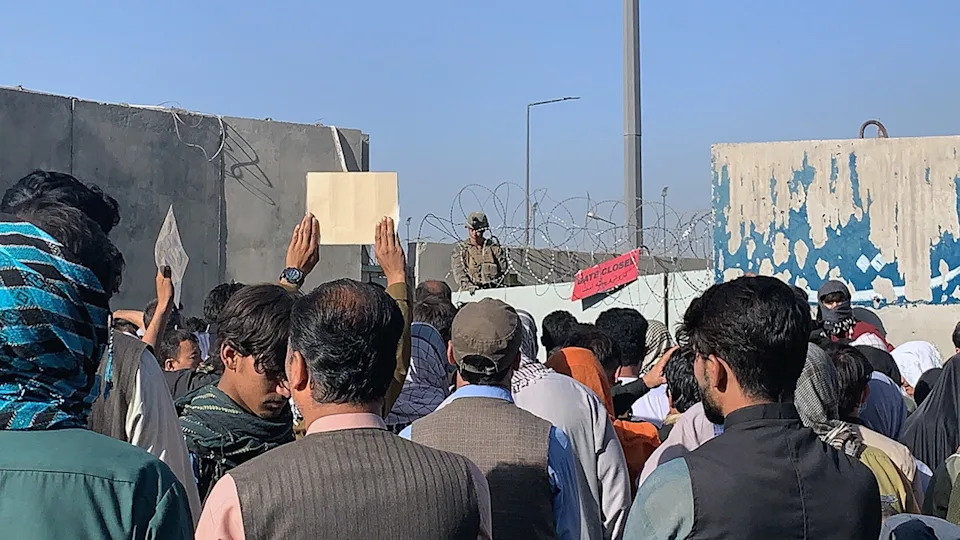
Afghans hold documents and wait outside Abbey Gate at Hamid Karzai International Airport in Kabul during the chaotic 2021 U.S. evacuation. Many Afghan Christians and allies were among those seeking rescue.
In a DHS statement accompanying the OIG release, officials asserted the findings show the administration "dangerously mismanaged" Operation Allies Welcome, arguing that a lawsuit settlement requiring USCIS to adjudicate 90% of asylum applications within 150 days may have pressured staff to prioritize speed over thoroughness.
"The fact that 40% of these applications have errors is alarming," said Mark Krikorian, Executive Director of the Center for Immigration Studies. He added that temporary processing hubs abroad—sometimes called "lily pads"—did not always prevent rushed decisions once evacuees were ultimately resettled in the United States.
Recommendations And Next Steps
The inspector general made five recommendations to strengthen USCIS handling of OAW asylum files, focusing on:
- Improving documentation and tracking of applicant aliases;
- Ensuring required security checks (including FBI name checks) are completed and recorded;
- Enhancing supervisory oversight and completeness of adjudication files;
- Clarifying and standardizing record-keeping procedures for adjudicators;
- Implementing routine audits to detect and correct file deficiencies.
USCIS agreed with all five recommendations, according to the OIG report. The agency will need to implement corrective steps and improve its documentation and oversight practices to reduce the risk that future adjudications miss critical information.
Why It Matters
Accurate record-keeping and complete security checks are essential for both fair administration of asylum claims and national security. The OIG findings highlight how procedural gaps in large-scale humanitarian admission programs can increase oversight challenges and potential risks. The OIG's recommendations, and USCIS's agreement to them, provide a roadmap to close those gaps if they are fully implemented and monitored.
Help us improve.