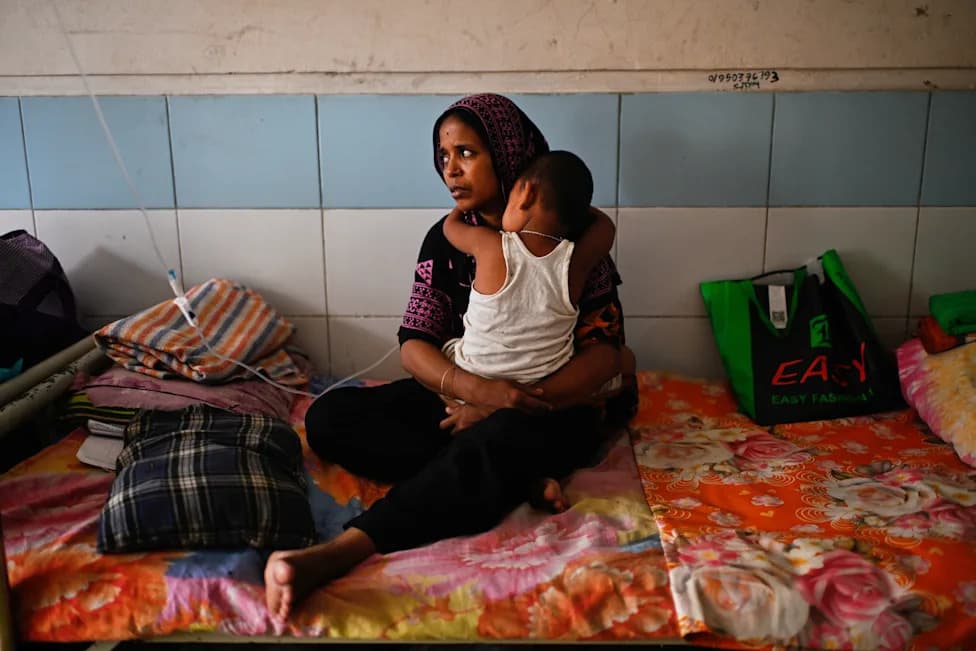
The Akha mobile boat clinics have brought doctors, vaccines, medicines and basic labs to remote 'char' islands in Assam since 2005. Supported by local authorities and UNICEF, the fleet of 15 boats reaches about 20,000 people monthly across 13 districts. The program prioritizes maternal and infant care to address mortality rates that remain above national averages, while contending with poverty, illiteracy and geographic isolation.
Floating Hope: Akha Boat Clinics Bring Lifesaving Healthcare to Assam's River 'Chars'
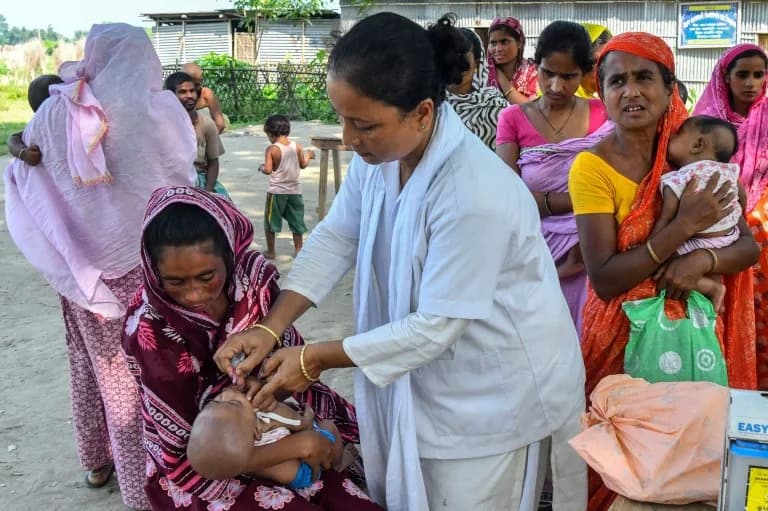
The boat clinics in India's Assam state focus primarily on maternal and infant health (Biju BORO)
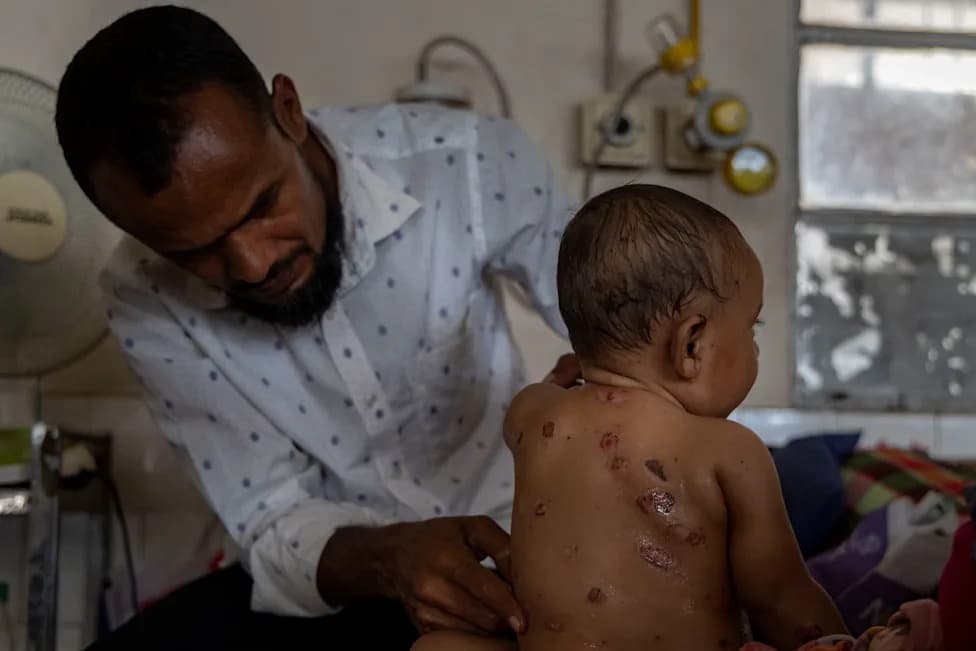
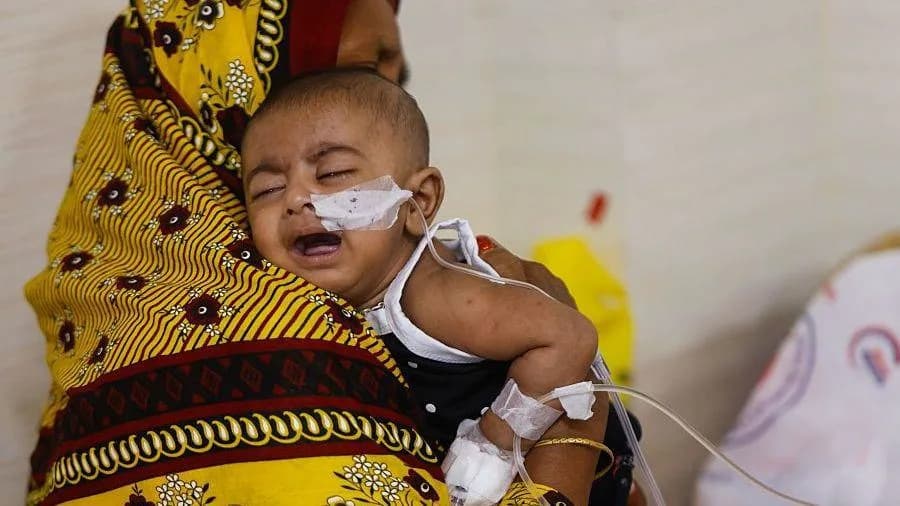
An infant utters a weak cry as a doctor administers a routine but crucial injection aboard a mobile boat clinic that is part of a network reaching remote riverine communities in northeastern India.
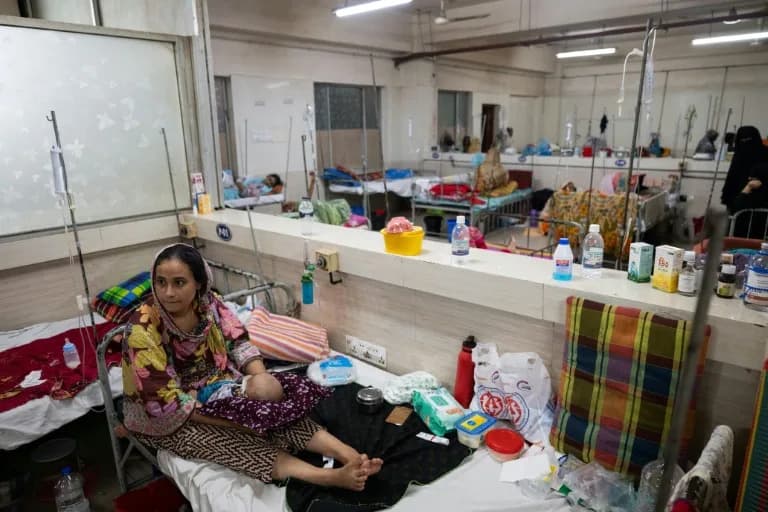
Hundreds of thousands of people in Assam, a state carved by the Brahmaputra River, live on 'chars' — temporary river islands and sandbars — where access to basic health services is often unavailable. Local authorities say more than 2,000 such islands exist across the state, many with few or no staffed health centres.
What the Akha Boat Clinics Do
To bridge this gap, a fleet of mobile clinics known as Akha (Assamese for "hope") has been taking doctors, medicines, vaccines and basic laboratory services to remote communities since 2005. Run by the Centre for North East Studies and Policy Research with support from local authorities and UNICEF, the program has expanded to 15 boats and now serves roughly 20,000 people per month across 13 districts.
On-The-Ground Impact
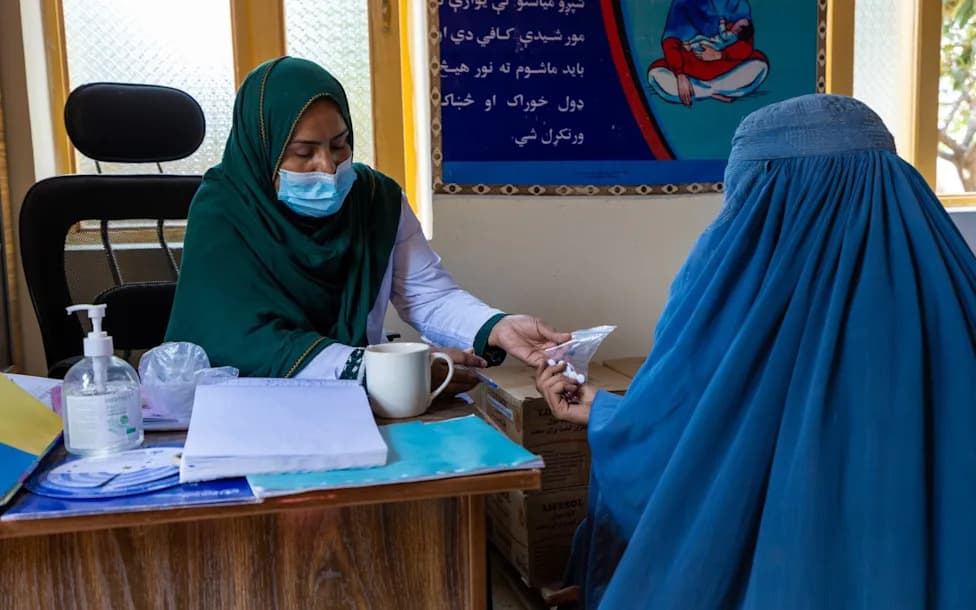
For villagers on erosion-prone chars, the floating clinics provide an essential link to health care. Services focus on maternal and infant health — antenatal care, routine immunizations for newborns, basic diagnostics and medicine distribution — aiming to reduce mortality that remains higher than national averages.
"We are totally dependent on the boat clinic," said Rekibul Amin, a resident of Barballa island in Nalbari district. "Whatever medicines people receive here, they get them through the boat clinic. Women have benefited greatly."
Challenges and The Road Ahead
Despite improvements in recent years, Assam still records higher infant and maternal mortality than the national average. Official figures show 29 infant deaths and 34 under-five deaths per 1,000 live births in Assam, versus national rates of 24 and 28 respectively. Maternal mortality stands at 125 deaths per 100,000 live births in the state, compared with 88 nationally.
Program staff highlight persistent barriers such as poverty, illiteracy and the logistical difficulties of reaching scattered river islands. Still, healthcare workers and community members describe the Akha fleet as a vital, life-saving service for populations with little alternative access to care.
Looking ahead: expanding outreach, strengthening referral links to fixed facilities and sustained funding will be essential for reducing gaps in maternal and child health across Assam.
Help us improve.