Italy has enacted an emergency decree banning full face coverings in all schools and introducing a 30% cap on first‑year places for foreign pupils who lack sufficient Italian. The quota exempts Italian citizens, children born in Italy, or those who attended Italian kindergarten for at least two years; secondary pupils need three years of Italian schooling to be exempt. Parents with serious language barriers may be required to take Italian lessons if communication with schools is impaired. The measures must be approved by parliament within 60 days or they will lapse.
Italy Enacts Nationwide School Burqa Ban and 30% Quota for Non‑Italian‑Speaking Newcomers
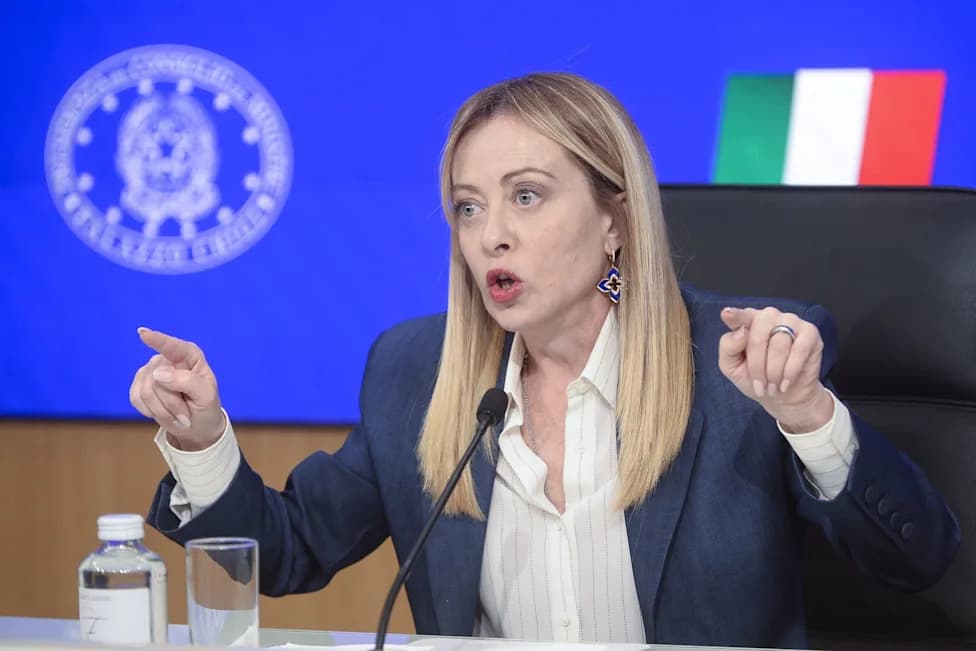
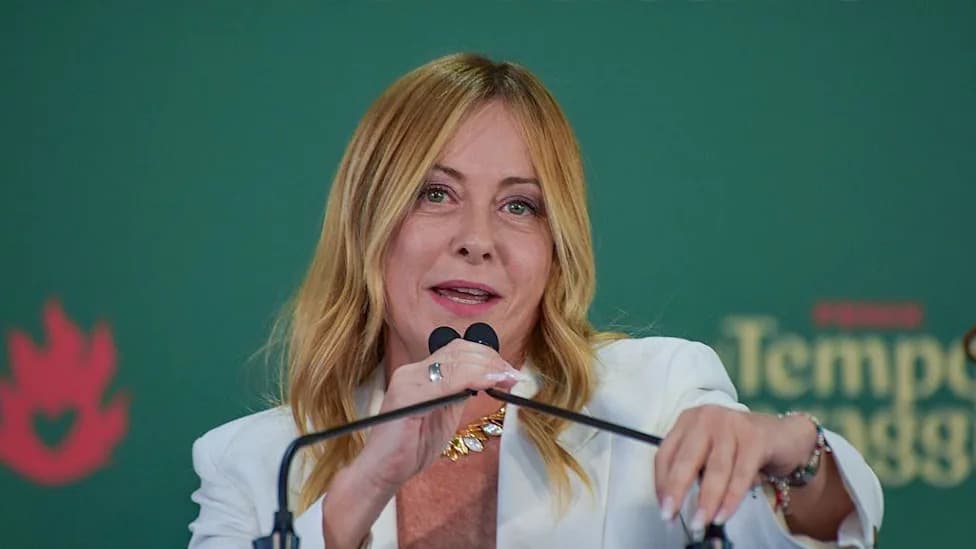
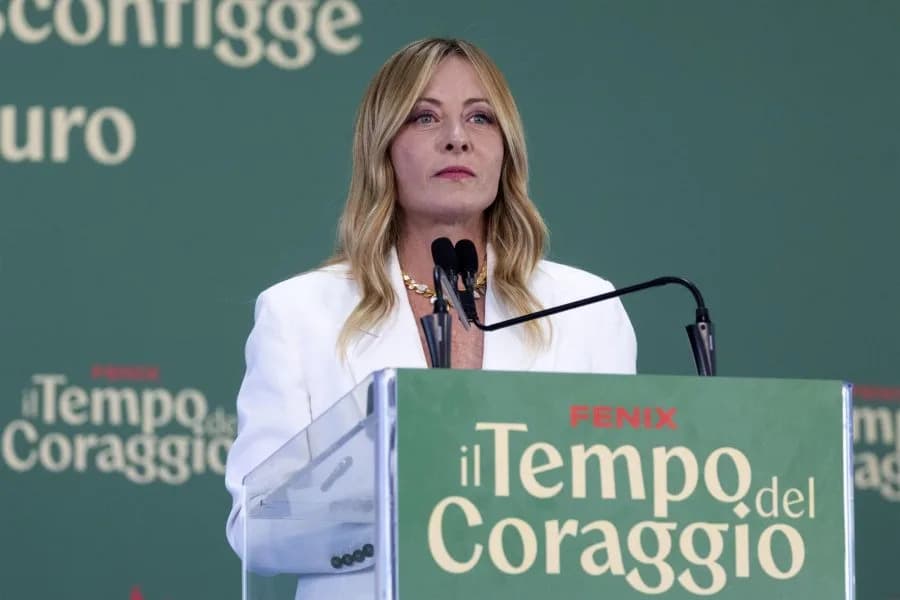
FILE PHOTO - Italian Prime Minister Giorgia Meloni attends a press conference at the end of the Council of Ministers meeting. (is associated with: «Italy introduces burqa ban, language quota in schools») Stefano Carofei/IPA via ZUMA Press/dpa
A nationwide prohibition on full face coverings has come into force in Italian schools after President Sergio Mattarella signed a decree issued by Prime Minister Giorgia Meloni's government, the presidential office said on Wednesday.
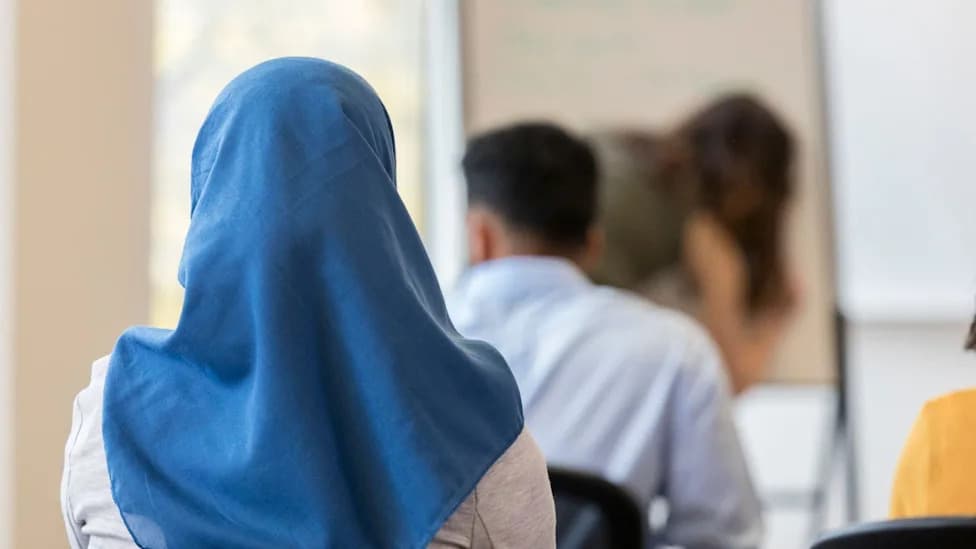
Face Coverings: Under the decree, pupils' faces must remain identifiable on school premises, a rule that effectively bans full‑face Islamic veils such as the burqa and niqab in all schools.
Language Quota: From the 2027–28 school year, first‑year classes at every school level will be subject to a 30% cap on placements for foreign pupils who do not have a sufficient command of Italian.
The quota applies to children who do not hold Italian citizenship, were not born in Italy and have not attended an Italian kindergarten for at least two years. For secondary schools, the exemption threshold is higher: pupils must have attended Italian schools for at least three years to fall outside the quota.
Parental Requirements: The decree also allows schools to require parents with significant language difficulties to take Italian lessons if poor communication undermines engagement with their child's education.
Legal Process: The measures were issued by emergency decree and must be approved by parliament within 60 days or they will lapse.
Political Context: Prime Minister Giorgia Meloni announced the measures in September. Meloni, 49, has led a three‑party coalition of right‑wing and conservative parties since 2022 and campaigned on a tougher line on migration. Her Brothers of Italy party remains ahead in opinion polls ahead of next year’s expected elections, while her coalition faces pressure from Roberto Vannacci's newly formed National Future party, which advocates an even stricter approach to migration.
The decree is likely to provoke debate among lawmakers, educators and civil‑rights groups over its implications for integration, school inclusion and religious freedom as it moves through parliament.
Help us improve.